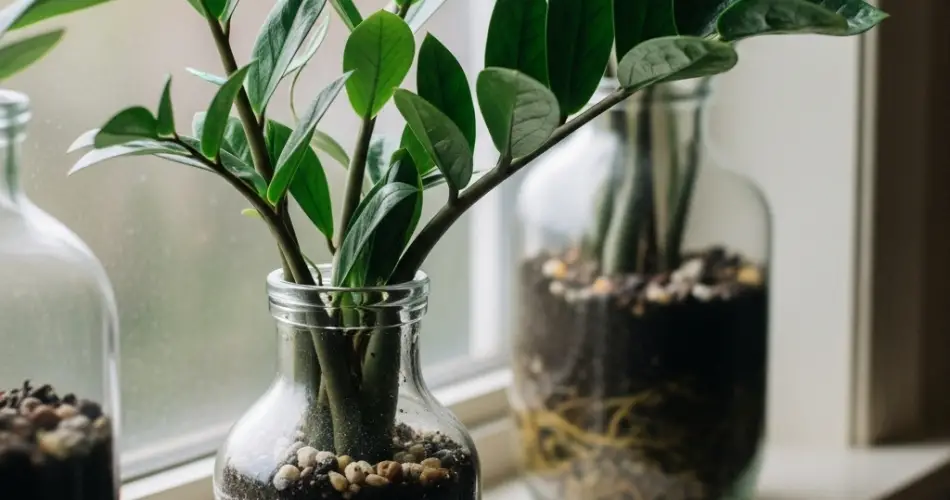
Looking for a stylish, low-maintenance plant that thrives in minimal light and adds a modern touch to your indoor space? The ZZ plant (Zamioculcas zamiifolia) is your ideal companion. With its shiny, dark green leaves and tough, drought-resistant nature, the ZZ plant requires little attention and rewards you with year-round greenery. One of the easiest and most eco-conscious ways to grow this plant is by using recycled plastic bottles. Perfect for windowsills, this compact gardening method makes the most of vertical space while cutting down on waste.
Here’s how to build your own ZZ bottle garden and keep it thriving with minimal effort.
Why the ZZ Plant Is Perfect for Bottle Gardens
The ZZ plant is a favorite among indoor plant lovers for good reason. Its root system includes rhizomes that store water, allowing it to survive in dry environments and skip frequent watering. It tolerates low light, infrequent feeding, and irregular watering, making it perfect for beginners and busy plant owners.
Since ZZ plants grow slowly and don’t need a large container early on, they adapt well to compact bottle setups. When grown in clear plastic bottles, you can also keep an eye on the soil’s moisture and root health—ideal for new gardeners still learning the ropes.
Selecting and Preparing the Bottle
Start with a clean, clear plastic bottle. A 1- to 1.5-liter water or soda bottle is just the right size for small ZZ plants or cuttings. Cut the bottle one-third of the way from the top. You can use just the bottom portion as a basic pot or create a self-watering system using both halves.
Option 1: Basic Planter
-
Use the bottom half as a container.
-
Poke 3–4 small drainage holes at the base to prevent water buildup.
-
Add a shallow layer of gravel or pebbles to aid in drainage.
Option 2: Self-Watering Planter
-
Invert the top half and place it into the bottom half like a funnel.
-
Remove the bottle cap and thread a cotton wick through the hole.
-
The wick will draw water from the reservoir in the lower half into the soil, keeping the plant hydrated.
If using a clear bottle, wrap it with fabric, twine, or paint to block sunlight from reaching the roots and prevent algae growth.
Preparing the Soil
ZZ plants prefer light, well-draining soil. Use a cactus or succulent mix, or create your own blend by combining:
-
2 parts potting soil
-
1 part perlite or coarse sand
-
1 part coconut coir or peat moss (optional)
This mixture provides good aeration and reduces the risk of soggy roots, which ZZ plants dislike.
Planting the ZZ Cutting or Seedling
If you’re starting with a nursery plant or a rooted cutting:
-
Fill the bottle about halfway with the prepared soil mix.
-
Gently place the ZZ rhizome or cutting in the center.
-
Add more soil around the roots, pressing lightly to anchor the plant.
-
Water lightly to help the soil settle.
Make sure the top of the rhizome is just under the surface, and avoid burying any leaves or stems in the soil.
If you’re using a water propagation method first, wait until roots are at least 1–2 inches long before transferring the cutting into the bottle planter.
Light and Placement
ZZ plants grow well in indirect light, making them ideal for indoor windowsills. Choose a spot with filtered sunlight—east- or north-facing windows are best. While they tolerate low light, growth will be slower, and leaves may lose their deep green hue over time.
Rotate the bottle every couple of weeks to ensure even light exposure and prevent the plant from leaning.
Watering and Feeding
Water the plant only when the top 2–3 inches of soil are completely dry. In a self-watering bottle, check the reservoir every 10–14 days and refill as needed. Avoid keeping the roots constantly wet—overwatering is one of the few ways to harm a ZZ plant.
Fertilize sparingly, once every two to three months during spring and summer using a diluted liquid houseplant fertilizer. ZZ plants are light feeders and don’t require regular fertilization to thrive.
Maintenance Tips
-
Cleaning: Wipe leaves with a damp cloth to keep them glossy and free from dust.
-
Pruning: Remove yellow or damaged leaves by cutting them at the base.
-
Pest Watch: ZZ plants are generally pest-resistant, but check occasionally for gnats or mealybugs, especially in humid areas.
As your plant matures and the root system expands, you can transplant it into a larger container or divide it to create more bottle planters.
A Green, Sustainable Accent for Your Home
Creating a ZZ bottle garden is a perfect way to blend sustainability, simplicity, and style. Whether placed on a sunny kitchen windowsill or a desk near filtered light, this project lets you reuse plastic waste while enjoying the benefits of a low-maintenance houseplant. With minimal watering and care, your ZZ plant will reward you with lush foliage and a calming, green presence—making your indoor space a little more serene and environmentally friendly.


