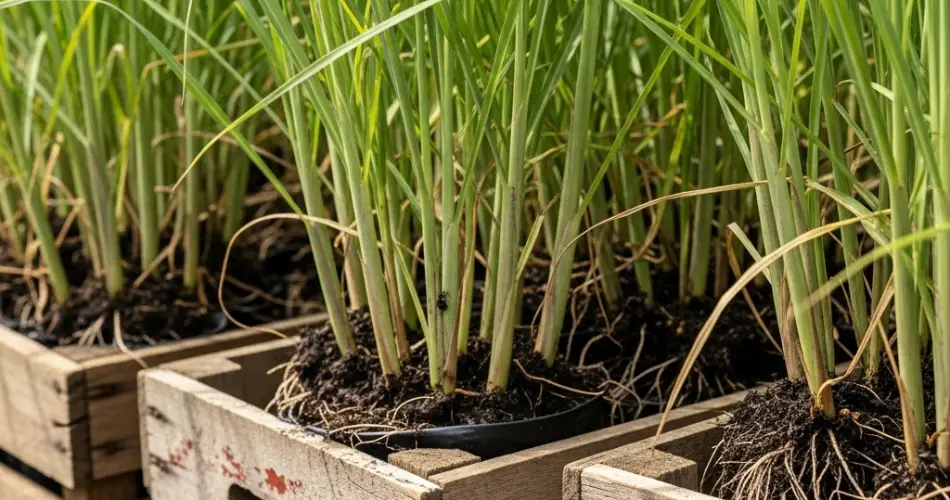
If you love the idea of adding both beauty and function to your backyard, growing lemongrass in crates is a wonderful choice. Lemongrass is a hardy, citrus-scented herb widely used in cooking, teas, and natural remedies. Its fresh fragrance adds charm to outdoor spaces, while its tall, grassy clumps make it an attractive addition to any garden. Using crates as planters allows you to cultivate lemongrass even if you have limited space, and it offers a stylish, eco-friendly way to grow this versatile herb right at home.
Why Lemongrass is Perfect for Crate Gardening
Lemongrass is naturally suited to container growing because of its clumping habit and adaptability. In the ground, lemongrass can spread and take up a lot of space, but crate planting keeps it contained and manageable. Crates are also portable, making it easy to shift plants around to catch more sun, avoid heavy rain, or protect them from cold weather. For small backyards, patios, or even balconies, crate gardening ensures you can enjoy the benefits of lemongrass without needing large garden beds.
Beyond its convenience, lemongrass serves multiple purposes. It is prized for its culinary uses in soups, curries, and teas, while its strong citrus fragrance naturally repels mosquitoes and other insects. This makes crate-grown lemongrass both practical and decorative.
Choosing the Right Crates
The first step to starting a lemongrass patch in crates is selecting the right container. Look for sturdy wooden crates at least 18 inches deep and wide. Since lemongrass roots need space to expand, a deep crate ensures healthy development. Untreated wood is preferred to avoid chemicals seeping into the soil. Line the inside of the crate with a breathable fabric to prevent soil loss, and make sure drainage holes are present at the bottom. Elevating the crate slightly with bricks or blocks helps improve airflow and drainage while extending the life of the wood.
Soil Preparation for Healthy Growth
Lemongrass thrives in well-draining, nutrient-rich soil. A mix of garden soil, compost, and sand or perlite works well, creating a light structure that prevents waterlogging. Compost or aged manure provides steady nourishment, helping the plants grow tall and lush. Maintaining a slightly acidic to neutral pH is ideal for lemongrass. To keep moisture in and regulate temperature, apply a layer of mulch on top of the soil.
Planting Lemongrass in Crates
Lemongrass can be started from seedlings, divisions, or fresh stalks. If you’re planting market-bought stalks, choose ones with a small bulb at the base, as these root easily. Plant them two inches deep into the soil, spacing them six to eight inches apart if planting more than one clump. Water thoroughly after planting to help roots establish. With the right conditions, lemongrass begins growing quickly, sending up tall, fragrant blades.
Sunlight and Watering Needs
Lemongrass is a sun-loving herb. Place the crate in a spot where it receives six to eight hours of direct sunlight daily. Adequate sunlight ensures the stalks grow thick, flavorful, and aromatic. In terms of watering, keep the soil evenly moist but never soggy. During hot summer days, you may need to water more frequently, especially since containers dry out faster than in-ground soil. Check moisture levels regularly to avoid both over- and under-watering.
Feeding Your Lemongrass
To maintain lush growth, feed your lemongrass every six to eight weeks during the growing season. A balanced slow-release fertilizer works well, but organic alternatives like compost tea, seaweed extract, or fish emulsion can provide excellent nutrition while supporting healthy soil. Adding fresh compost to the top layer each spring gives an additional nutrient boost.
Harvesting and Using Lemongrass
One of the greatest joys of growing lemongrass is harvesting it fresh. Stalks are ready to harvest once they are at least a half-inch thick. To harvest, peel back the outer leaves and cut the stalk close to the base. The white lower portion is the most aromatic and is used in cooking, while the green tops can be dried for teas or bundled for their fragrance. Regular harvesting not only provides fresh herbs but also encourages new growth, keeping your crate garden productive.
Benefits of Lemongrass in the Backyard
Lemongrass offers more than just flavor for your dishes. Its refreshing scent makes it a natural insect repellent, helping keep mosquitoes at bay when you spend time outdoors. Its tall, arching leaves also add a decorative element, creating a lush green accent in your backyard. For those who enjoy herbal remedies, lemongrass tea is soothing and refreshing, making it a multipurpose plant to grow.
Advantages of Crate Gardening with Lemongrass
-
Perfect for small spaces: Works well in backyards, patios, or balconies.
-
Portability: Easy to move depending on sunlight and weather.
-
Sustainable choice: Reuses old wooden crates in an eco-friendly way.
-
Low-maintenance: With proper watering and feeding, lemongrass thrives with little fuss.
-
Fragrant and useful: Offers culinary flavor, natural fragrance, and insect-repelling benefits.
Final Thoughts
Creating a fragrant backyard lemongrass patch with crates is a simple yet rewarding gardening project. This method combines practicality, sustainability, and beauty, allowing you to grow a versatile herb even in limited spaces. With the right crate, soil, and care, lemongrass will flourish, providing a steady supply of fresh stalks, a natural mosquito repellent, and a refreshing aroma for your outdoor space. Whether you’re a culinary enthusiast or someone who enjoys a fragrant, low-maintenance garden, crate-grown lemongrass is a perfect addition to your backyard.


