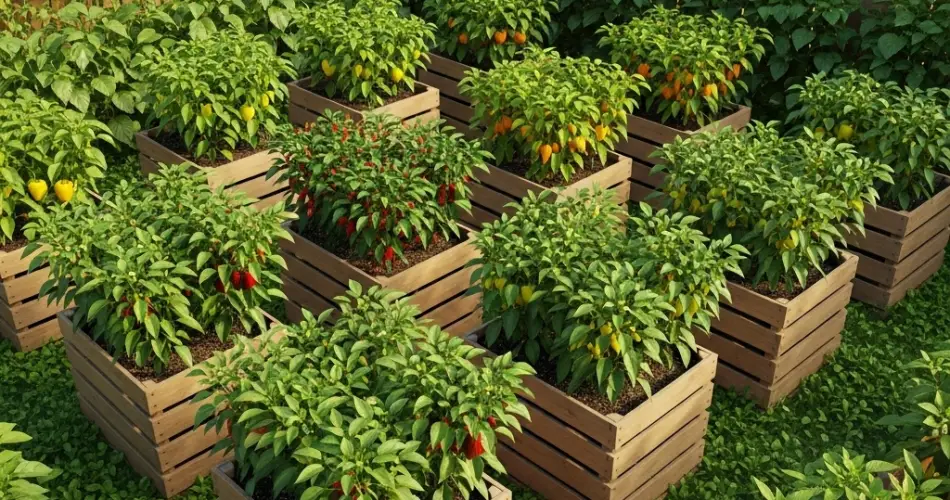
Peppers are one of the most versatile crops you can grow at home. From sweet bell peppers to fiery chili varieties, they add flavor, spice, and vibrant color to any dish—and they also make a beautiful addition to your backyard garden. Growing peppers in crates is a smart and space-efficient way to cultivate these plants, even if you’re working with limited outdoor space.
Crates offer portability, excellent drainage, and allow you to control the soil environment, making them an ideal container option for pepper cultivation.
Why Grow Peppers in Crates?
Peppers thrive in warm, sunny environments with well-draining soil. Crates provide just the right depth and space for their root systems and allow gardeners to move the containers as needed for optimal sunlight or protection from heavy rain. Crates are especially useful in backyards where the soil may be poor, compacted, or not suitable for in-ground planting.
In addition to functionality, crate gardens are tidy and manageable. They can be stacked, rearranged, or elevated on bricks to improve air circulation, and they make harvesting easier by keeping plants at an accessible height.
Selecting the Right Crate
Choose a wooden crate that is at least 30–40 cm deep to give pepper roots room to spread. Standard fruit crates, wooden boxes, or even repurposed storage bins with drainage holes can work well. Avoid using treated wood, as the chemicals may leach into the soil.
Line the inside of the crate with landscape fabric or an old sack to keep the soil in place while still allowing excess water to drain. You can also place a few small stones or broken clay pot pieces at the bottom to enhance drainage.
Preparing the Soil
Peppers prefer light, fertile soil that retains moisture without becoming soggy. For best results, use a mix of:
-
1 part garden soil
-
1 part compost or aged manure
-
1 part coco peat, sand, or rice hulls
This combination ensures good drainage while holding enough moisture for healthy root development. You can also add crushed eggshells or bone meal to provide calcium and phosphorus, which help strengthen the plants and prevent blossom-end rot.
Choosing Pepper Varieties
There’s a wide range of peppers to choose from depending on your flavor preferences, heat tolerance, and culinary goals:
-
Bell peppers: Sweet, crunchy, and great for stuffing or salads.
-
Cayenne: Moderately hot and ideal for drying or sauces.
-
Jalapeños: Perfect for fresh salsa or pickling.
-
Habanero: Very hot and aromatic, used in spicy sauces.
-
Banana peppers: Mild and excellent for grilling or sandwiches.
Compact or bush varieties are best suited for crate gardening. Choose healthy seedlings or start your own from seeds indoors a few weeks before transplanting.
Planting in Crates
Fill the crate with your prepared soil, leaving a few centimeters of space from the top. Plant one pepper seedling per crate for large varieties or up to two for compact types. Make sure each plant has enough airflow to prevent fungal issues.
After transplanting, water gently to settle the soil around the roots. Place the crate in a sunny spot that receives at least 6–8 hours of sunlight daily, as peppers are sun-loving plants.
Watering and Feeding
Peppers prefer consistently moist soil, especially during flowering and fruiting. Water when the top layer feels dry, typically every 2–3 days in hot weather. Avoid overwatering, as soggy roots can lead to rot.
Fertilize every two weeks with an organic liquid fertilizer such as compost tea, seaweed extract, or fermented fruit juice. Too much nitrogen can lead to leafy growth at the expense of fruit, so choose a balanced or low-nitrogen option once flowering begins.
Supporting and Pruning
As pepper plants grow, they may become top-heavy with fruit. Use bamboo stakes, twine, or tomato cages to support the stems and prevent breakage. Tie them loosely so the plant can move slightly in the wind.
Light pruning of lower leaves and suckers (small shoots between the stem and branches) can improve airflow and direct the plant’s energy toward fruit production.
Managing Pests and Diseases
Common pepper pests include aphids, whiteflies, and spider mites. Spray affected plants with a solution of neem oil or diluted soap and water. Inspect the undersides of leaves regularly to catch infestations early.
Avoid overcrowding crates and water at the base of the plant to reduce the risk of fungal diseases. Rotating crops each season also helps maintain plant health.
Harvesting Crate-Grown Peppers
Peppers can be harvested green or allowed to ripen to red, orange, or yellow, depending on the variety. The more mature the pepper, the sweeter and more flavorful it becomes. Use scissors or pruning shears to cut the peppers cleanly from the stem, avoiding damage to the plant.
Harvest regularly to encourage the plant to continue producing throughout the season.
Reusing Crates for Future Crops
Once the season ends, remove any plant debris, loosen the soil, and mix in fresh compost to restore nutrients. You can rotate your crop by growing leafy greens or herbs in the same crate during the off-season.
With good care, your crates will serve you for multiple growing cycles.
Growing peppers in crates offers an easy and rewarding way to enjoy fresh, homegrown spice and color in your backyard. With the right setup and a little attention, you’ll be harvesting beautiful peppers in no time—whether you prefer them sweet, smoky, or sizzling hot.


