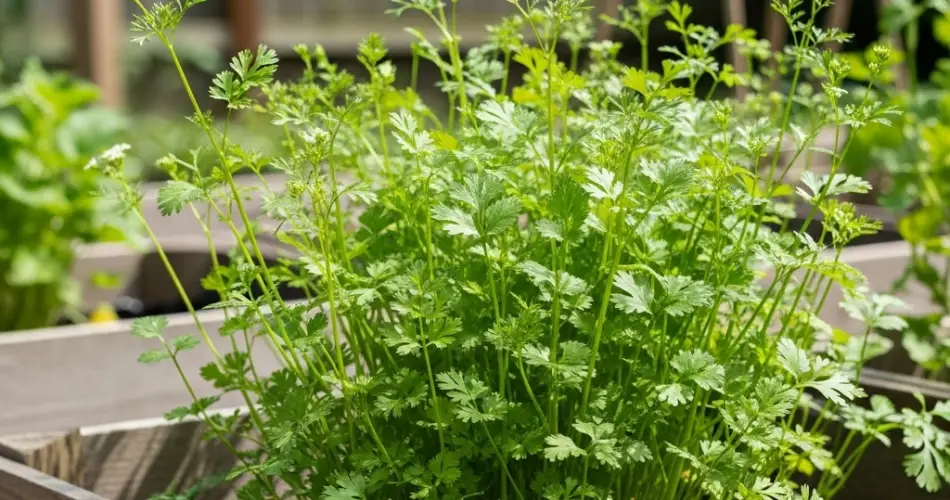
Cilantro, with its bright green leaves and distinct, refreshing flavor, is a staple in many kitchens around the world. Whether you use it to garnish soups, add zest to salads, or enhance curries and salsas, having fresh cilantro on hand is a culinary advantage. Growing your own cilantro in wooden crates is not only practical but also an attractive way to add greenery to your garden, balcony, or patio.
Wooden crate planters offer excellent versatility and portability, allowing you to cultivate herbs even in limited spaces. They also add a charming, rustic look to your outdoor setting while giving your plants the right conditions to thrive.
Why Use Wooden Crates for Cilantro?
Cilantro grows well in containers, and wooden crates provide a balance of space, drainage, and mobility. Compared to traditional garden beds, crates help you:
-
Save space – Perfect for small patios, balconies, or urban gardens.
-
Control soil quality – You can choose a rich, well-draining mix.
-
Move plants easily – Shift them for optimal sun exposure.
-
Add decorative appeal – Crates bring a rustic, homely feel to your garden.
Cilantro also has a relatively shallow root system, making crates deep enough to support healthy growth without taking up too much vertical space.
Choosing and Preparing Your Wooden Crate
Select a crate made from untreated wood to ensure it’s safe for growing edible plants. Look for one that is about 20–25 cm deep and wide enough to fit several cilantro plants comfortably.
Preparation steps:
-
Drill drainage holes in the base to prevent waterlogging.
-
Line the crate with landscape fabric or burlap to keep soil from falling through while allowing water to drain.
-
If placing the crate on a wooden deck or balcony, use a tray underneath to protect the surface.
The Ideal Soil Mix for Cilantro
Cilantro prefers nutrient-rich, well-draining soil. A good mix for crate planting includes:
-
2 parts high-quality potting soil
-
1 part compost for nutrients
-
A small amount of perlite or coarse sand to improve drainage
The ideal pH for cilantro is between 6.2 and 6.8. Adding organic matter like compost ensures the plants get the nutrients they need without the risk of over-fertilizing.
Planting Cilantro Seeds
Cilantro grows best from seeds rather than transplants, as it has a sensitive taproot that doesn’t like to be disturbed.
How to plant:
-
Soak seeds in water for 12–24 hours to encourage faster germination.
-
Sow seeds about 0.5–1 cm deep, spacing them 5–8 cm apart.
-
Cover lightly with soil and water gently.
Cilantro seeds typically sprout within 7–10 days. For a continuous harvest, sow seeds every 2–3 weeks.
Light and Water Needs
Cilantro thrives in cooler weather and prefers 4–6 hours of direct sunlight daily. In hotter climates, it benefits from some afternoon shade to prevent premature bolting (going to seed too early).
Water regularly to keep the soil evenly moist, but avoid waterlogging. A consistent watering schedule encourages steady leaf growth and prevents stress that can lead to early flowering.
Encouraging Healthy Growth
To keep your cilantro lush and productive:
-
Thin seedlings to about 10 cm apart once they are a few centimeters tall.
-
Remove any yellowing leaves to improve airflow and reduce disease risk.
-
Apply a diluted, balanced liquid fertilizer every 3–4 weeks during the growing season.
Harvesting Cilantro
You can begin harvesting when the plants are about 15 cm tall. Cut the outer leaves first, leaving the central stems to keep growing. Avoid removing more than one-third of the plant at a time so it can continue producing.
If your cilantro begins to bolt, don’t discard it—both the flowers and seeds (coriander) are edible. The flowers attract beneficial pollinators, while the seeds can be saved for cooking or future planting.
Extending Your Cilantro Season
Cilantro tends to prefer cooler temperatures, so it may grow more slowly or bolt quickly in summer heat. To extend your harvest:
-
Move the crate to a partially shaded area during hot months.
-
Try heat-tolerant cilantro varieties if you live in a warm region.
-
Plant in early spring and again in late summer for a fall crop.
Pest and Disease Management
Cilantro is relatively pest-resistant, but watch for aphids and whiteflies. If pests appear, rinse leaves with water or use an organic insecticidal soap. Good airflow, proper spacing, and avoiding overwatering help prevent fungal issues like powdery mildew.
Final Thoughts
Growing cilantro in wooden crates is a simple and rewarding way to enjoy fresh herbs right at your fingertips. With the right soil, sunlight, and watering routine, you’ll have a continuous supply of vibrant, aromatic leaves to elevate your cooking. The portability of crate planters means you can adjust your herb garden as the seasons change, ensuring healthy growth year-round.
A rustic wooden crate not only contains your cilantro neatly but also adds charm to your outdoor space. With just a little effort, you can transform your balcony, patio, or backyard into a thriving herb garden filled with fresh, homegrown flavor.


