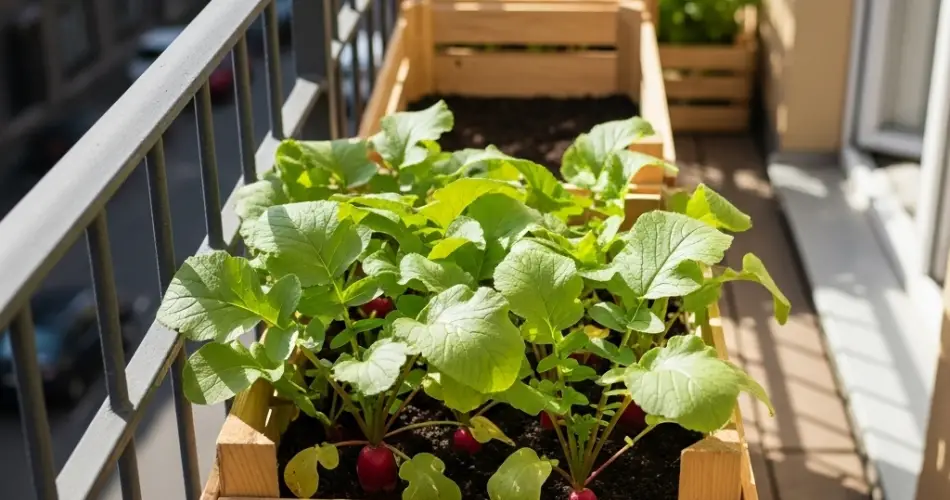
Radishes are among the fastest-growing root vegetables, making them perfect for gardeners with limited time, space, or experience. Their crisp texture and peppery flavor add a refreshing bite to salads, sandwiches, and side dishes. If you think you need a traditional garden to grow them, think again. With wooden crate gardening, even those with just a balcony or small patio can enjoy a successful radish harvest.
Crate gardening allows you to grow healthy vegetables in a compact, organized setup. Radishes thrive in shallow containers, making them one of the easiest crops to cultivate in this way. With a few materials and a little care, you can enjoy crunchy, homegrown radishes in as little as three to four weeks.
Why Grow Radishes in Crates?
Wooden crates offer a practical, attractive, and sustainable way to garden in small spaces. Here’s why they work so well for radishes:
-
Shallow-root friendly: Radishes don’t need deep soil, making crates a perfect fit.
-
Portable: Easily move your crate to adjust for sun or shelter.
-
Great drainage: Prevents waterlogging and root rot.
-
Eco-conscious: Reuses wooden boxes or fruit crates that would otherwise go to waste.
-
Urban-garden ready: Fits on balconies, windowsills, or patios.
Crate gardening gives you control over soil quality and conditions while adding a rustic charm to your small-space garden.
Choosing the Right Radish Varieties
Radishes come in many shapes and colors. When growing in containers, choose varieties that mature quickly and don’t require deep soil.
Great options for crate gardening include:
-
Cherry Belle – Fast-growing and classic round red radish with a mild flavor.
-
French Breakfast – Oblong and crisp with a white tip and mild bite.
-
Easter Egg – A colorful mix of red, purple, pink, and white radishes.
-
Sparkler – White-tipped red radishes with fast growth.
-
White Icicle – Slender white roots with a mild flavor, also suited for shallow soils.
Look for radishes that mature in 20–30 days for a fast turnaround garden.
Materials You’ll Need
To start your radish crate garden, gather the following:
-
A wooden crate (6–8 inches deep)
-
Landscape fabric or burlap (to line the crate)
-
Potting mix (light and well-draining)
-
Compost or aged organic fertilizer
-
Radish seeds
-
Hand trowel
-
Watering can or spray bottle
Ensure your crate is in good condition, free of rot or treated chemicals, especially if you’re using repurposed wood.
Preparing the Crate
-
Line the crate with landscape fabric or burlap to hold in the soil while allowing drainage.
-
Check for drainage holes in the bottom. If the crate has a solid base, drill several holes to prevent water buildup.
-
Fill with soil: Use a mix of 2 parts potting soil and 1 part compost. Radishes prefer light, fluffy soil to allow their roots to expand easily.
-
Level the surface with your hands or a small trowel, leaving about an inch of space at the top.
Sowing the Seeds
-
Plant radish seeds directly into the soil—no need to start indoors.
-
Create shallow rows, about half an inch deep, spaced 2 inches apart.
-
Space seeds 1 inch apart within each row.
-
Cover lightly with soil and gently water to moisten the top layer.
Radishes don’t like to be transplanted, so sowing directly into your crate is the best method for strong, uniform roots.
Sunlight and Watering
-
Sunlight: Radishes need at least 4–6 hours of direct sunlight daily. A south-facing balcony or patio is ideal.
-
Watering: Keep the soil evenly moist, especially during germination. Avoid letting it dry out completely, as this can cause the roots to become woody or split.
-
Mulching: A light layer of mulch can help maintain consistent moisture and reduce weeds.
Radishes germinate quickly—often within 3 to 5 days—and start forming roots shortly after.
Thinning and Care
Once seedlings are about 2 inches tall, thin them out:
-
Leave 2–3 inches between plants to give each radish enough room to develop.
-
Use the thinned greens in salads or sandwiches—they’re edible and nutritious.
-
Watch for pests like aphids or flea beetles. If needed, apply neem oil or use floating row covers as a preventive measure.
Because radishes grow quickly, they typically outpace most pest and disease problems, making them a stress-free crop.
Harvesting Your Radishes
Radishes are ready to harvest in as little as 21–30 days, depending on the variety and growing conditions.
-
Check the root size by gently brushing away some soil around the base.
-
Harvest when roots are firm and about 1 inch in diameter. Larger roots can become woody and too spicy.
-
Pull gently by gripping the base of the greens. Loosen soil if needed to avoid breaking the root.
Radishes are best eaten fresh, but they also store well in the refrigerator for up to a week.
Final Thoughts
Growing crisp, colorful radishes in a wooden crate is a fun and productive way to enjoy fresh vegetables, even in the smallest spaces. Their quick turnaround, low maintenance, and shallow root system make them perfect for container gardening. Whether you’re a seasoned urban gardener or just starting out, crate-grown radishes are an easy and satisfying way to bring more freshness to your kitchen—and a little greenery to your home. Give it a try, and you’ll be harvesting your own crunchy radishes in no time.


