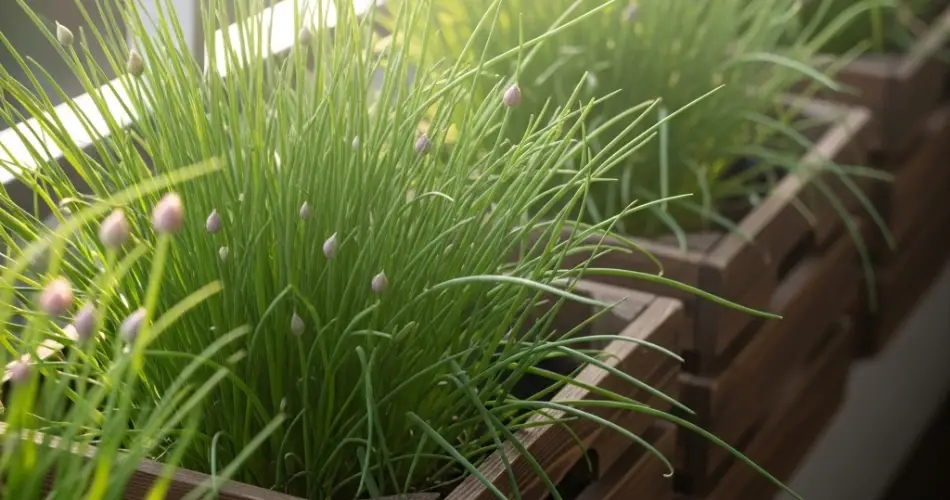
Chives are a flavorful and low-maintenance herb that can be grown even in the smallest spaces. If you’re looking to start a balcony garden, chives are an excellent choice. Their compact size, quick growth, and versatile use in cooking make them a favorite among container gardeners. Using wooden crates as planters is not only space-saving but also adds a rustic charm to your balcony.
Here’s how you can grow chives successfully using a simple crate setup.
Why Grow Chives in Crates?
Wooden crates are perfect for small-scale balcony gardening. They are lightweight, portable, and provide adequate room for the shallow roots of herbs like chives. Chives grow in small clumps and don’t need much space, so a single crate can hold several plants. This method also allows better control over soil quality and drainage compared to ground planting.
Selecting the Right Crate
Choose a sturdy wooden crate made from untreated wood. Repurposed fruit or wine crates work well, as long as they’re clean and free of chemicals. The ideal crate should be at least 6 inches deep and wide enough to support multiple clumps of chives.
Before planting, line the inside of the crate with breathable garden fabric or burlap to hold the soil while allowing excess water to drain. You may also want to drill a few extra drainage holes in the bottom to prevent water accumulation.
Preparing the Soil
Chives prefer light, fertile, and well-draining soil. A mixture of potting soil, compost, and a bit of sand or perlite will provide the perfect texture. You can also add a small amount of slow-release organic fertilizer to give your chives a head start.
Fill the lined crate with soil, leaving an inch or so of space at the top to allow for watering.
Planting Chives
Chives can be started from seeds, transplants, or divisions of mature plants. Starting from seeds takes longer—expect germination in about two weeks and harvesting in 60 to 90 days. For a faster yield, use young nursery plants or divide an established chive clump.
Plant chives in small clumps spaced about 4 to 6 inches apart. Gently press them into the soil and water thoroughly after planting.
Sunlight and Watering
Chives need full sun for optimal growth—at least 6 hours of direct light daily. Place the crate on the sunniest part of your balcony, preferably where it gets morning sun and some afternoon shade if temperatures get too high.
Water the soil regularly to keep it slightly moist, especially during dry or hot weather. However, avoid overwatering, as soggy soil can cause root rot. Chives are relatively drought-tolerant once established but perform best with consistent moisture.
General Maintenance
Chives are among the easiest herbs to care for. Remove weeds regularly to reduce competition for nutrients and space. Trim off any yellow or wilted leaves to keep the plant looking fresh.
Once your chive plants are well established, you can begin harvesting. Use scissors to snip off leaves about 1 to 2 inches above the soil. Avoid cutting more than a third of the plant at one time to allow for regrowth.
Encouraging Bushy Growth
Frequent trimming encourages chives to grow fuller and bushier. Even if you don’t need chives for cooking, give them an occasional snip to keep them productive. In late spring or early summer, your chives may produce small purple flowers. While they’re attractive and edible, removing them early can keep the plant focused on leaf production.
Companion Planting
Chives grow well with other herbs such as parsley, thyme, or oregano. You can mix them in the same crate as long as there’s enough room. Their natural aroma also helps deter certain pests, making them useful near vegetables or flowers that are more vulnerable to insects.
Pest and Disease Control
Chives are fairly pest-resistant, but they can occasionally attract aphids or thrips. A simple spray of water or neem oil can control these pests. Fungal issues like mildew are rare but can occur in overly moist or shaded conditions, so ensure proper airflow around your plants.
Winter and Long-Term Care
Chives are perennials in many climates and can survive mild winters. In colder regions, bring the crate indoors or provide protection with a plastic cover or insulating wrap. Even if the top growth dies back, the roots often survive and regrow in spring.
Every few years, divide the clumps to refresh the plants and prevent overcrowding. Dig up the root ball, separate the bulbs, and replant them in fresh soil to keep your chives thriving.
Crate gardening makes growing chives on a balcony simple, stylish, and effective. Whether you’re looking to spice up your meals or add greenery to your home, a crate of fresh chives is a smart addition to any small garden space. With minimal effort, you’ll enjoy an ongoing harvest of this flavorful herb all season long.


