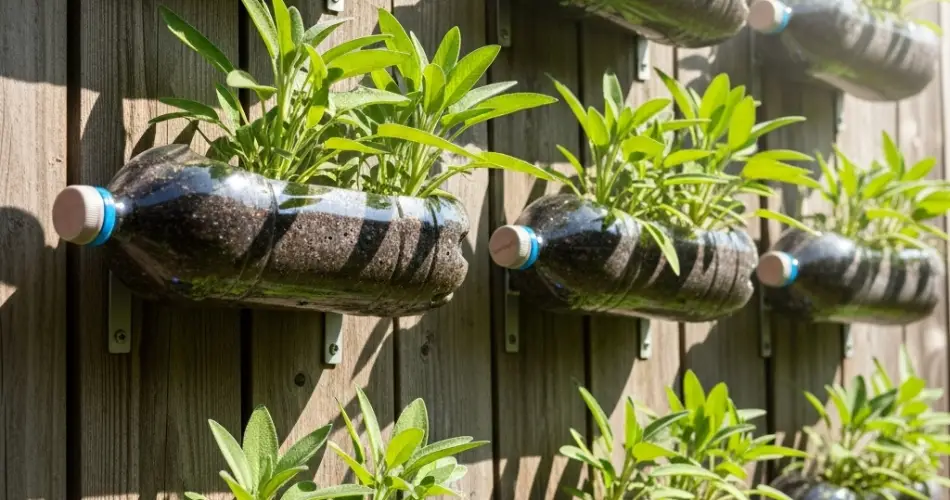
Sage is a fragrant, hardy herb valued for both culinary and medicinal uses. Its earthy, slightly peppery flavor enhances roasted meats, soups, and sauces, while its ornamental silvery-green leaves add beauty to any garden space. For those with limited outdoor areas, such as apartment balconies or small patios, a wall-mounted vertical garden is an excellent way to grow sage without sacrificing precious floor space.
By using a balcony wall, you can create a compact, organized sage garden that is both functional and visually appealing. This approach also keeps plants at an easy height for care and harvest, making gardening more convenient for daily use.
Why Grow Sage on a Balcony Wall?
-
Space Efficiency – Wall gardens make the most of vertical space, leaving the floor clear for furniture, potted plants, or walking space.
-
Accessibility – With herbs at eye or waist level, you can easily water, prune, and harvest without bending or kneeling.
-
Better Sun Exposure – Positioning sage along a wall allows you to choose the sunniest spot, essential for this sun-loving plant.
-
Aesthetic Value – A wall garden filled with sage creates a lush, green backdrop, adding texture and charm to your balcony.
Choosing Containers and Setup
Sage thrives in containers with good drainage. You can use:
-
Wall-mounted pots or planters
-
Recycled wooden boxes
-
Hanging fabric pocket planters
-
Sturdy repurposed plastic bottles cut and arranged for vertical planting
Ensure each container is at least 20 cm (8 inches) deep to allow the roots to spread comfortably. The wall structure must be strong enough to hold the weight of soil-filled planters, especially when wet. Use brackets, hooks, or shelving units designed for outdoor use to secure your containers.
Preparing the Growing Medium
Sage prefers well-drained soil and does best in slightly sandy or loamy conditions. A suitable mix would be:
-
2 parts high-quality potting mix
-
1 part coarse sand or perlite for drainage
-
1 part compost for steady nutrient release
This mixture prevents waterlogging while providing the nutrients sage needs for strong, healthy growth.
Planting Sage
You can start sage from seeds, cuttings, or nursery-bought seedlings. For quicker results, start with seedlings, as sage seeds can be slow to germinate.
Steps:
-
Fill each container with the prepared soil mix, leaving about 2–3 cm from the top.
-
If planting seedlings, dig a small hole slightly larger than the root ball.
-
Place the plant in the hole, backfill, and press gently to remove air pockets.
-
Water lightly to settle the soil.
Space each sage plant about 20–25 cm apart to allow airflow and prevent overcrowding.
Light and Watering Needs
Sage loves sunlight—aim for at least 6 hours of direct light daily. South- or west-facing balcony walls are ideal. If your balcony is shaded, consider using reflective surfaces or mirrors to increase light exposure.
Water only when the top 2–3 cm of soil feels dry. Sage is drought-tolerant once established and does not thrive in consistently wet soil. In hot, dry weather, check the plants more often, but avoid overwatering.
Pruning and Maintenance
Regular pruning helps keep sage bushy and prevents it from becoming woody.
-
Pinch off the tips of young plants to encourage branching.
-
Remove any yellowing or damaged leaves promptly.
-
After flowering, cut stems back to promote fresh growth.
Replace sage plants every 3–4 years when they begin to lose vigor.
Harvesting Sage
Harvest leaves once the plant is well-established, usually after 2–3 months of growth. Pick only what you need by snipping leaves from the top and outer stems. Avoid removing more than one-third of the plant at a time to keep it healthy.
Fresh leaves can be used immediately in cooking or dried for long-term storage. To dry, tie small bundles and hang them in a cool, dark, well-ventilated area until crisp.
Pest and Disease Control
While sage is generally pest-resistant, watch out for:
-
Aphids – Wash off with a gentle spray of water or treat with insecticidal soap.
-
Spider mites – Increase humidity and remove affected leaves.
-
Root rot – Prevent by ensuring containers have excellent drainage and avoiding overwatering.
Advantages of a Balcony Wall Sage Garden
-
Fresh flavor year-round – Enjoy homegrown sage without running to the store.
-
Compact design – Fits easily into urban living spaces.
-
Low maintenance – Sage is hardy and forgiving, perfect for busy lifestyles.
-
Decorative – The silvery foliage adds a touch of elegance to your balcony.
Final Thoughts
A compact sage garden on your balcony wall is a practical, beautiful, and sustainable way to enjoy fresh herbs at home. By combining creative use of vertical space with the right planting techniques, you can grow healthy, aromatic sage in even the smallest outdoor area. This method not only saves space but also turns your balcony into a fragrant green oasis perfect for both cooking inspiration and visual enjoyment.


