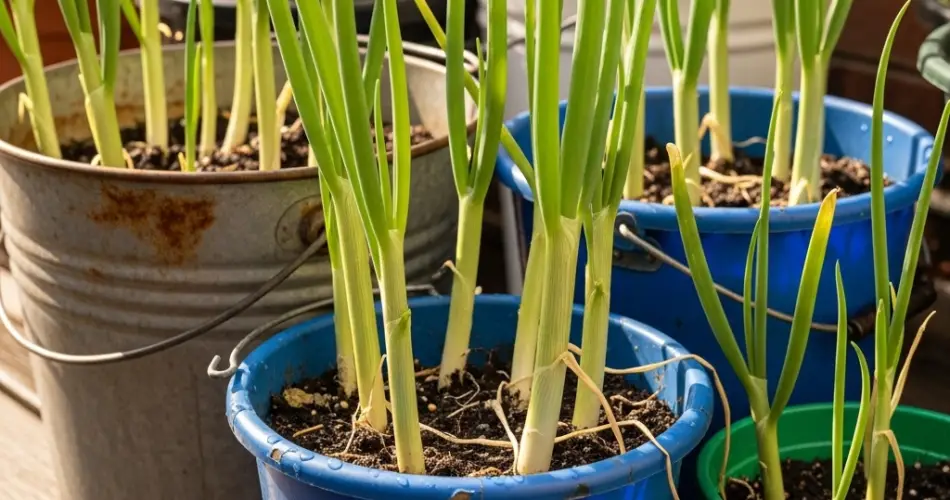
Scallions, also known as green onions or spring onions, are a versatile and flavorful addition to countless dishes. Their crisp texture and mild onion flavor make them ideal for salads, stir-fries, soups, and garnishes. For home gardeners, scallions are among the easiest crops to grow, especially in small spaces. One of the most effective methods is cultivating them in plastic buckets. Compact, productive, and low-maintenance, bucket-grown scallions are perfect for balcony gardens, patios, or any limited growing space. This guide explains everything you need to know about successfully growing scallions in plastic buckets.
Why Grow Scallions in Buckets?
Scallions adapt exceptionally well to container gardening. Unlike bulb onions, scallions don’t require much depth for root expansion, and they grow quickly, making them a continuous source of fresh harvests. Using plastic buckets has several advantages:
-
Space-saving: Even small buckets can hold multiple scallions, allowing you to maximize limited areas.
-
Control: Buckets allow you to manage soil quality, drainage, and watering more effectively than in-ground beds.
-
Portability: You can move buckets easily to capture sunlight or shelter the plants from harsh weather.
-
Clean harvest: Growing in buckets reduces exposure to weeds and soil-borne pests, resulting in healthier crops.
For urban gardeners or beginners, scallions in buckets are an easy, reliable way to enjoy fresh greens at home.
Choosing the Right Buckets
Plastic buckets are inexpensive, lightweight, and durable, making them an excellent choice for container gardening. A 10–12 inch deep bucket is ideal for scallions since their roots are shallow. If you want a continuous supply, larger buckets allow you to plant scallions in clusters for staggered harvesting.
Ensure your buckets have proper drainage holes at the bottom. If you’re repurposing old buckets, drill several holes to prevent waterlogging. Without good drainage, scallion roots may rot.
Soil Preparation
Scallions thrive in light, well-draining soil rich in organic matter. A simple and effective soil mix includes:
-
1 part garden soil
-
1 part compost or well-rotted manure
-
1 part perlite, coarse sand, or coco coir for aeration
The ideal soil pH for scallions is between 6.0 and 7.0. Since scallions grow quickly and continuously, compost provides the nutrients they need, while the loose texture helps their roots spread easily.
Planting Scallions
You can grow scallions from seeds, sets (small onion bulbs), or even kitchen scraps.
-
From seeds: Sow seeds ¼ inch deep and about 1 inch apart. Seeds usually germinate within 7–14 days.
-
From sets: Place small onion bulbs close together in the soil. They’ll quickly sprout into usable scallions.
-
From scraps: Regrow scallions by placing the white root ends in water until new shoots appear, then transplant them into your bucket.
For continuous harvests, plant in succession every 2–3 weeks. This way, you’ll always have fresh scallions at different stages of growth.
Watering and Care
Scallions need consistent moisture but dislike soggy conditions. Water when the top inch of soil feels dry, keeping the soil evenly moist. Because buckets dry out faster than garden beds, check them daily, especially in warm weather.
Mulching with straw, shredded leaves, or coco husk helps retain moisture and regulate soil temperature.
Fertilizing scallions is simple. Every 2–3 weeks, feed them with a diluted liquid fertilizer, compost tea, or fish emulsion. Since scallions grow mainly for their green leaves, a fertilizer with slightly higher nitrogen content encourages lush, healthy foliage.
Sunlight Requirements
Scallions thrive in full sun but can also tolerate partial shade. Ideally, they need 6–8 hours of direct sunlight each day. On hot summer days, buckets can be moved to a slightly shaded area to prevent stress, while in cooler seasons, place them where they receive maximum light.
Pests and Problems
Scallions grown in buckets are less prone to problems, but they can still attract pests like aphids, thrips, or onion maggots. Inspect your plants regularly and remove pests with a spray of water or treat with neem oil if necessary. Good airflow and proper watering prevent fungal issues like mildew.
Harvesting Scallions
One of the greatest benefits of growing scallions in buckets is the quick harvest. You can begin harvesting when the plants are about 6–8 inches tall, usually within 6–8 weeks of planting. Simply pull up the entire plant or trim leaves as needed, allowing the plant to regrow.
For a steady supply, practice selective harvesting: take the largest plants first and leave smaller ones to continue maturing. With succession planting, you’ll enjoy a continuous harvest throughout the season.
Storing Scallions
Freshly harvested scallions can be stored in the refrigerator for about a week. To extend freshness, place them upright in a glass of water, cover loosely with a plastic bag, and refrigerate. For long-term storage, scallions can also be chopped and frozen, though their texture softens when thawed.
Conclusion
Scallions are one of the easiest and most rewarding crops to grow in plastic buckets. Their compact growth, quick maturity, and minimal care requirements make them perfect for beginner gardeners and small spaces. With proper soil preparation, consistent watering, and enough sunlight, your buckets can produce a steady supply of fresh scallions for months. Whether you grow them from seeds, sets, or scraps, scallions prove that compact gardening can deliver big rewards right on your balcony or patio.


