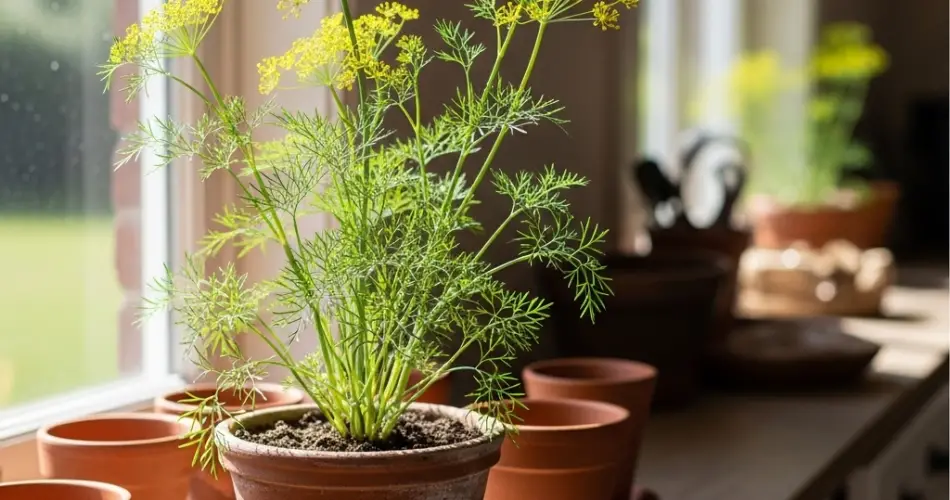
Dill is a fragrant and flavorful herb widely used in cooking to enhance dishes such as pickles, soups, salads, and fish. Known for its delicate, feathery leaves and aromatic seeds, dill is a favorite among home gardeners. For those with limited outdoor space, growing dill in compact containers on balconies or patios offers an excellent way to enjoy fresh herbs year-round.
This article explores how to cultivate compact dill gardens in small spaces, sharing best practices for container selection, planting, care, and harvesting to help you successfully grow this versatile herb.
Why Grow Dill in Containers?
Container gardening offers numerous advantages for dill cultivation:
-
Space Efficiency: Perfect for small patios, balconies, or windowsills where garden beds are unavailable.
-
Portability: Containers can be moved to optimize sunlight exposure or protect plants during extreme weather.
-
Soil and Water Control: Growing dill in pots allows precise management of soil quality and moisture levels.
-
Freshness: Harvest fresh dill leaves and seeds right at your doorstep whenever needed.
Choosing the Right Containers
Selecting the proper container is essential for healthy dill growth:
-
Size: Dill has a moderately deep root system and grows tall, so use containers at least 12 inches deep and wide to provide ample space.
-
Material: Terracotta, ceramic, plastic, or fiberglass containers work well, but ensure good drainage regardless of material.
-
Drainage: Containers must have sufficient drainage holes to prevent waterlogging and root rot.
For added stability, choose pots with a broad base to support dill’s height and prevent tipping.
Soil Requirements
Dill prefers light, well-draining soil rich in organic matter. A high-quality potting mix combined with compost or aged manure works well.
Avoid heavy, compacted soils that retain excess moisture, which can cause root diseases.
Planting Dill
Dill can be started from seeds or young plants:
-
Seeds: Sow dill seeds about 1/4 inch deep directly into the container soil. Keep the soil moist until germination, which occurs within 7 to 14 days. Thin seedlings to 6 to 8 inches apart once they are a few inches tall to allow proper growth.
-
Transplants: Purchase young dill plants and transplant them into containers, spacing them to avoid overcrowding.
For a continuous harvest, sow seeds every 2 to 3 weeks during the growing season.
Light and Temperature
Dill thrives in full sun and requires at least 6 hours of direct sunlight daily. Place containers on balconies or patios that receive ample sunlight.
Ideal temperatures range between 60°F and 75°F (15°C to 24°C). Dill prefers cooler weather and may bolt (flower and set seed) quickly in high heat, so providing some afternoon shade in hot climates helps prolong leaf production.
Watering and Maintenance
Dill prefers consistently moist soil but does not tolerate waterlogging. Water thoroughly when the top inch of soil feels dry.
Avoid overhead watering to reduce the risk of fungal diseases. Instead, water at the base of the plant.
Support tall dill plants with stakes if necessary to prevent stems from bending or breaking in wind.
Regularly remove weeds and dead leaves to keep the container clean and reduce pest problems.
Fertilizing Dill
Dill generally requires minimal feeding. Incorporate compost or organic fertilizer into the soil before planting.
If needed, supplement with a balanced liquid fertilizer every 4 to 6 weeks during active growth to promote healthy foliage and flowering.
Harvesting Dill
-
Leaves: Begin harvesting dill leaves once plants reach about 6 to 8 inches tall. Snip the outer leaves regularly to encourage new growth. Avoid cutting more than one-third of the plant at a time to prevent stress.
-
Seeds: Allow flower heads to mature and dry on the plant if you want to collect dill seeds for culinary use or future planting. Harvest seeds when they turn brown and dry, then store in airtight containers.
Common Challenges and Solutions
-
Leggy Growth: Insufficient sunlight can cause dill to grow tall and sparse. Move containers to a sunnier location.
-
Bolting: Hot temperatures accelerate flowering, reducing leaf quality. Provide afternoon shade or grow dill during cooler seasons.
-
Pests: Watch for aphids and caterpillars. Use organic insecticides like neem oil or insecticidal soap if needed.
-
Fungal Diseases: Avoid overhead watering and ensure good airflow around plants.
Companion Planting Tips
Dill grows well alongside cucumbers, lettuce, and onions, helping to attract beneficial insects like pollinators and predatory bugs.
Avoid planting dill near carrots, as they may compete for nutrients.
Benefits of Growing Dill in Containers
-
Convenience: Fresh dill available year-round at your balcony or patio.
-
Sustainability: Reduces reliance on store-bought herbs and packaging waste.
-
Aesthetics: Adds delicate foliage and bright yellow flowers, enhancing your outdoor space.
-
Educational: A great way to learn container gardening and herb care.
Conclusion
Growing dill in compact containers is an excellent way to enjoy fresh herbs, even if you have limited outdoor space. By selecting suitable pots, providing well-draining soil, ensuring adequate sunlight, and practicing proper watering and harvesting techniques, you can cultivate a thriving dill garden on your balcony or patio.
Whether you’re a novice or experienced gardener, container-grown dill brings flavor, fragrance, and beauty right to your doorstep.


