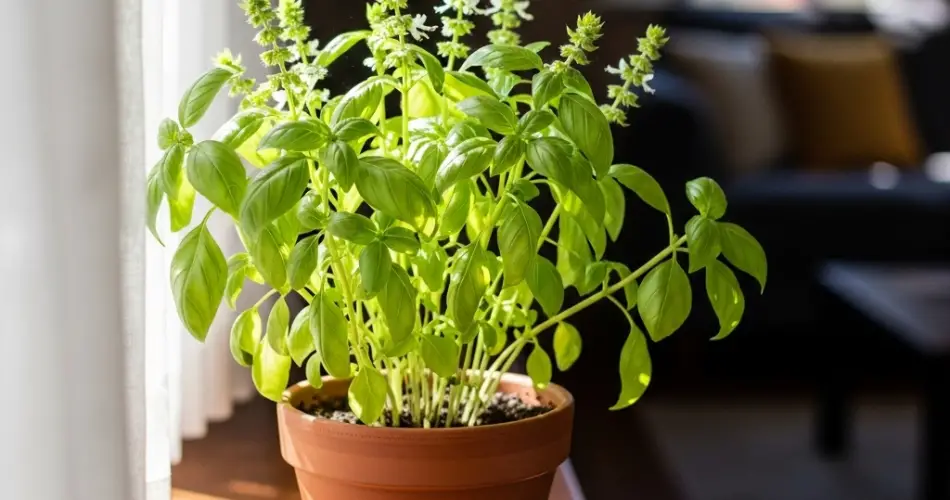
Basil is one of the most beloved culinary herbs worldwide, renowned for its fragrant leaves and vibrant flavor that enhance everything from pasta to salads and sauces. While basil is often grown outdoors in gardens, it can thrive indoors as well, especially when placed near a kitchen stove or windowsill. Growing basil indoors offers fresh, aromatic leaves at your fingertips year-round, saving trips to the grocery store and adding a lively green touch to your kitchen space. This guide provides essential tips on how to successfully grow indoor basil, including choosing the right pot, soil, light, and care routine.
Why Grow Basil Indoors?
Indoor basil cultivation has many advantages:
-
Freshness: Have fresh basil leaves anytime without needing to go outside.
-
Convenience: Easy access while cooking saves time and enhances dishes immediately.
-
Space-Saving: Perfect for apartments, condos, or homes without outdoor gardens.
-
Aesthetic Appeal: Basil plants add greenery and a pleasant aroma to your kitchen.
Choosing the Right Basil Variety for Indoors
Some basil varieties perform better indoors due to their size and growth habits. Popular indoor-friendly types include:
-
Genovese Basil: Classic sweet basil used in Italian dishes.
-
Thai Basil: Spicy, anise-flavored basil often used in Asian cuisine.
-
Lemon Basil: Has a citrusy aroma, ideal for teas and desserts.
-
Compact Varieties: Such as ‘Spicy Globe’ or ‘Greek Basil’ which remain smaller and bushier.
Selecting the Best Pot for Indoor Basil
Proper container selection helps basil thrive indoors:
-
Size: Choose a pot at least 6-8 inches in diameter and depth to allow room for roots.
-
Material: Terracotta pots are breathable and prevent overwatering but dry out quickly. Plastic pots retain moisture longer.
-
Drainage: Ensure the pot has drainage holes to avoid waterlogging, which can cause root rot.
Ideal Soil for Growing Basil Indoors
Basil needs fertile, well-draining soil:
-
Potting Mix: Use a high-quality, all-purpose potting mix designed for herbs or vegetables.
-
Soil Texture: A light, fluffy soil that retains moisture yet drains well is best.
-
Fertilization: Incorporate slow-release organic fertilizer or feed with a diluted liquid fertilizer every 2-4 weeks during the growing season.
Light Requirements for Indoor Basil
Light is one of the most critical factors for healthy indoor basil:
-
Sunlight: Basil needs at least 6 hours of direct sunlight daily. Place the pot on a south-facing windowsill if possible.
-
Supplemental Lighting: If natural light is limited, use fluorescent or LED grow lights for 8-12 hours per day.
-
Rotation: Rotate the pot every few days to encourage even growth and prevent the plant from leaning toward the light.
Watering Indoor Basil
Basil prefers consistently moist soil but dislikes soggy conditions:
-
Watering Frequency: Check the soil daily; water when the top inch feels dry.
-
Method: Water deeply until excess drains from the bottom. Avoid watering leaves to reduce the risk of fungal diseases.
-
Drainage: Ensure proper drainage to prevent standing water in the saucer.
Temperature and Humidity
Basil grows best in warm, moderately humid environments:
-
Temperature: Ideal indoor temperatures range from 65°F to 80°F (18°C to 27°C).
-
Humidity: Basil prefers moderate humidity. If indoor air is dry, especially in winter, use a humidifier or place a tray of water nearby.
Pruning and Harvesting Indoor Basil
Regular pruning keeps basil plants healthy and productive:
-
Pruning: Pinch off the top sets of leaves regularly to encourage bushier growth and prevent flowering (bolting).
-
Harvesting: Snip leaves from the top down, harvesting no more than one-third of the plant at a time.
-
Flower Removal: Remove flower buds as soon as they appear to keep the plant focused on leaf production.
Troubleshooting Common Issues
-
Leggy Growth: Often due to insufficient light. Move the plant to a brighter location or add grow lights.
-
Yellowing Leaves: May indicate overwatering or poor drainage. Adjust watering habits accordingly.
-
Pests: Watch for aphids, whiteflies, or spider mites. Treat infestations with insecticidal soap or neem oil.
-
Fungal Diseases: Avoid wetting leaves during watering and provide good air circulation.
Additional Tips for Thriving Indoor Basil
-
Companion Plants: Plant basil near herbs like parsley or chives for a mini indoor herb garden.
-
Pot Rotation: Rotate your basil pot regularly for even sunlight exposure.
-
Repotting: Repot basil every 1-2 years to refresh soil and promote healthy roots.
-
Air Circulation: Place a small fan nearby if the air is stagnant to reduce fungal risk.
Conclusion
Growing basil indoors near your stove or windowsill is an excellent way to keep fresh, aromatic leaves within easy reach for all your cooking needs. With the right pot, soil, ample light, and consistent care, indoor basil can flourish year-round, enhancing your meals and kitchen ambiance. Whether you’re a seasoned cook or just starting your herb garden journey, indoor basil offers convenience, freshness, and delightful fragrance to any home.


