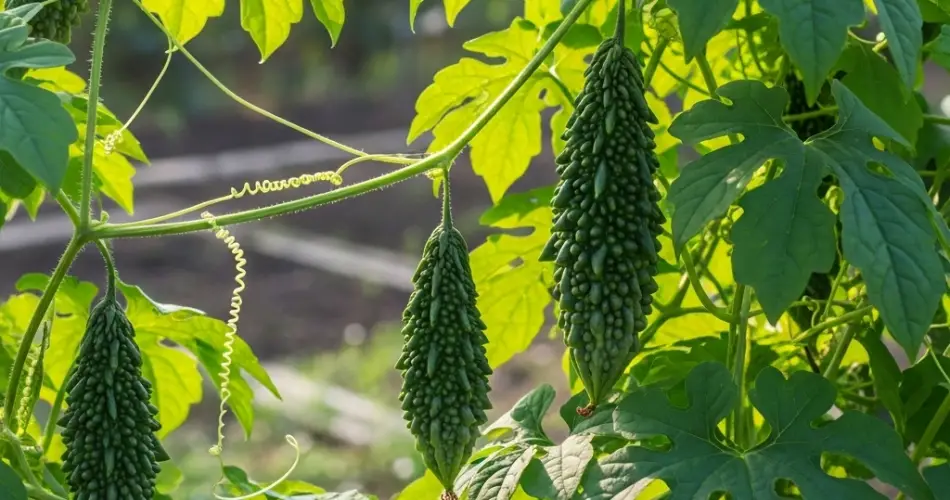
Bitter melon (Momordica charantia), also known as bitter gourd or karela, is a tropical vine grown for its distinctive, bitter-tasting fruit. Widely used in Asian, African, and Caribbean cuisines, bitter melon is valued for its nutritional and medicinal properties. While it’s a relatively hardy crop, gardeners often encounter issues that can hinder healthy growth and fruit production. From poor pollination to pest infestations, this guide explores the most common problems when growing bitter melon and offers practical solutions for each.
1. Poor Fruit Development or No Fruits
Problem: Your bitter melon plant is growing well with plenty of flowers, but it’s not producing any fruit—or only a few malformed ones.
Causes:
-
Insufficient pollination: Bitter melon plants produce both male and female flowers. Lack of pollinators or poor timing can prevent fertilization.
-
Imbalanced nutrients: Too much nitrogen encourages leafy growth at the expense of flowering and fruiting.
-
Excessive heat or humidity: High temperatures and poor air circulation can interfere with fruit set.
Solutions:
-
Hand-pollinate: Use a small brush to transfer pollen from male to female flowers (female flowers have a small bulge beneath the petals).
-
Encourage pollinators: Plant flowers like marigolds or basil nearby to attract bees.
-
Balance fertilization: Use a fertilizer lower in nitrogen and higher in phosphorus and potassium once flowering begins.
-
Provide good air circulation: Ensure proper plant spacing and trellis your vines to improve airflow.
2. Yellowing Leaves
Problem: Leaves turn yellow, starting from the bottom and spreading upwards.
Causes:
-
Overwatering or poor drainage: Roots may suffocate or rot.
-
Nutrient deficiency, especially nitrogen or magnesium.
-
Pests or disease: Sap-sucking insects or fungal infections can lead to chlorosis (leaf yellowing).
Solutions:
-
Check soil moisture: Water only when the top inch of soil is dry. Use well-draining soil or raised beds.
-
Fertilize appropriately: Apply a balanced organic fertilizer or compost regularly.
-
Inspect for pests: Check for aphids, whiteflies, or spider mites and treat accordingly (see pest section below).
3. Powdery Mildew
Problem: White, powdery patches appear on leaves, leading to leaf distortion or premature leaf drop.
Causes: Fungal spores thrive in warm, dry conditions with poor airflow.
Solutions:
-
Improve air circulation: Space plants properly and prune excess foliage.
-
Avoid overhead watering: Water at the base to keep leaves dry.
-
Apply natural fungicides: Use neem oil, potassium bicarbonate, or a homemade baking soda spray weekly.
4. Fruit Rot or Blossom-End Rot
Problem: Fruits begin to rot from the tip or develop soft, sunken spots.
Causes:
-
Calcium deficiency: Often caused by irregular watering.
-
High humidity or fungal pathogens: Especially in dense plantings or shaded areas.
Solutions:
-
Maintain even watering: Don’t let the soil dry out completely between waterings.
-
Mulch to regulate moisture: Use straw or compost to keep the soil consistently damp.
-
Remove affected fruits: Prevent the spread of fungal spores by discarding any rotting produce.
-
Use calcium sprays: Apply if calcium deficiency is suspected, especially during early fruit development.
5. Pest Infestations
Bitter melon can fall victim to several pests, which affect both foliage and fruit.
Common Pests and Solutions:
-
Aphids: Small, soft-bodied insects that cluster on new growth. They suck sap and excrete sticky honeydew.
-
Solution: Spray with insecticidal soap or neem oil; introduce ladybugs as natural predators.
-
-
Whiteflies: Tiny, flying insects found on the undersides of leaves.
-
Solution: Use yellow sticky traps and neem oil sprays. Remove infested leaves if needed.
-
-
Fruit flies: Lay eggs inside maturing fruit, causing it to rot from the inside.
-
Solution: Harvest fruit early, use fruit protection bags, and remove damaged fruits from the garden.
-
-
Spider mites: Cause speckled discoloration on leaves and fine webbing.
-
Solution: Rinse plants with water and spray with neem or horticultural oil.
-
Prevention Tip: Keep the garden clean of plant debris and rotate crops each season to prevent pest buildup.
6. Vines Not Climbing Properly
Problem: Bitter melon vines sprawl on the ground instead of climbing.
Causes:
-
Lack of support: Bitter melon is a climbing vine and needs vertical space.
-
Delayed training: Vines not guided early may resist trellising later.
Solutions:
-
Install a trellis early on, before vines become too long.
-
Gently tie young vines to the trellis using soft ties or string to encourage upward growth.
-
Train tendrils by manually wrapping them around supports.
7. Leaf Curling or Distortion
Problem: Leaves appear curled, twisted, or stunted.
Causes:
-
Virus infections, such as mosaic virus.
-
Sap-sucking insects, like whiteflies or aphids.
Solutions:
-
Remove and destroy infected plants to prevent spread.
-
Control insect vectors promptly using insecticidal soap or neem oil.
-
Avoid working with wet plants to reduce the chance of spreading viruses by touch.
Conclusion
Bitter melon is a rewarding plant when properly cared for, but it can be vulnerable to a variety of common problems that impact its health and yield. By recognizing the signs of stress—whether from pests, diseases, poor nutrition, or environmental factors—you can take timely action to correct issues before they affect your harvest. With regular monitoring, proper support, and a bit of preventive care, your bitter melon vines can thrive and produce an abundant, healthy crop.


