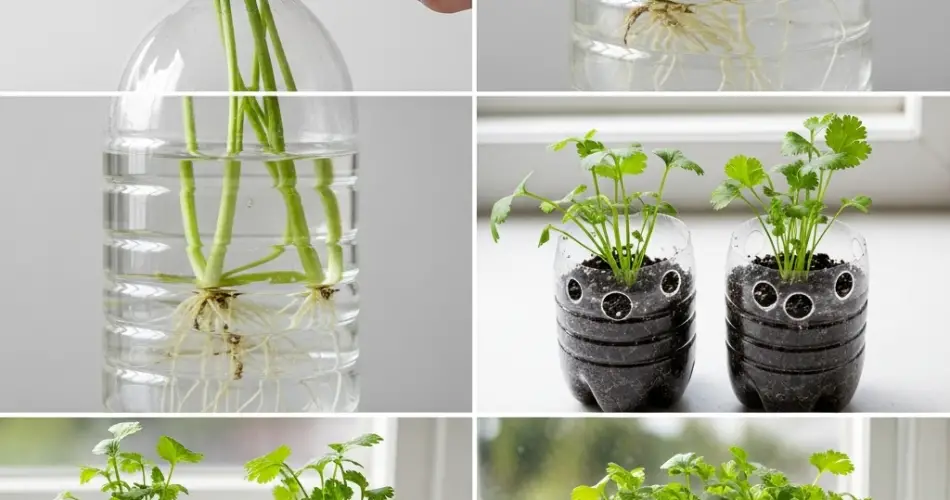
Cilantro, also known as coriander in many parts of the world, is a flavorful herb used in countless dishes from Latin American salsas to Southeast Asian curries. Its fresh, citrusy leaves and aromatic seeds make it a versatile addition to the home garden. If you love cooking with cilantro, growing your own supply is a great way to ensure it’s always within reach. And with a simple plastic bottle, you can propagate cilantro easily—even in small spaces.
Using recycled bottles for propagation is a cost-effective, space-saving, and environmentally friendly method. Whether you’re replanting from kitchen scraps, nurturing young seedlings, or starting from cuttings, this DIY approach makes herb gardening accessible to everyone.
Why Propagate Cilantro?
Cilantro is a fast-growing herb that completes its life cycle quickly. By learning how to propagate it effectively, you can keep a continuous harvest going, rather than planting from seed every time.
While cilantro doesn’t propagate from stem cuttings like mint or basil, there are two practical methods you can use with plastic bottles:
-
Seed propagation in bottle planters
-
Regrowing from kitchen roots in bottle water setups
Both approaches allow you to use recycled containers, save space, and grow cilantro even without access to a full garden.
What You’ll Need
For either method, you’ll need just a few basic materials:
-
Clean plastic bottles (1–2 liters, transparent or semi-transparent)
-
Sharp scissors or a utility knife
-
Cilantro seeds or root bases (from fresh bunches)
-
Light potting mix or seed-starting mix
-
Water (room temperature)
-
A small tray or dish (optional, for collecting water)
-
Spray bottle for misting
Method 1: Growing Cilantro from Seed in Bottles
This is the most reliable method for cilantro propagation, and it works beautifully in cut plastic bottles.
Step 1: Prepare the Bottle
Cut the bottle about one-third from the top. Use the bottom portion as your planter. Poke several holes in the base for drainage. If you’re placing it indoors, set the planter on a shallow dish to catch excess water.
Step 2: Fill with Soil
Add a light potting mix or seed-starting mix into the bottle. Moisten the soil slightly using a spray bottle.
Step 3: Sow the Seeds
Cilantro seeds are actually two seeds in one husk. Crush them gently between your fingers to separate them. Sow the seeds about 1 cm deep and space them evenly across the surface. Cover lightly with soil and mist with water.
Step 4: Create a Mini Greenhouse (Optional)
Place the top half of the bottle over the bottom to create a greenhouse effect. This traps humidity and warmth to help seeds germinate faster. Vent the cover daily to prevent mold buildup.
Step 5: Wait for Germination
Place the setup in a warm, bright location out of direct sunlight. Cilantro seeds typically germinate in 7–10 days. Once seedlings emerge, remove the cover and place the planter in a sunny spot or under a grow light.
Method 2: Regrowing Cilantro from Roots in Water
If you’ve purchased fresh cilantro with roots still attached, you can try to regrow it in water before transplanting it into soil.
Step 1: Prepare the Cuttings
Trim the cilantro stems to about 10–15 cm, leaving the root base intact. Rinse gently to remove soil.
Step 2: Use a Bottle for Water Propagation
Fill a clean bottle halfway with room-temperature water. Insert the cilantro stems so that the roots are submerged and the leaves remain above water. A narrow-necked bottle can help keep the stems upright.
Step 3: Place in Bright Light
Set the bottle on a windowsill with indirect sunlight. Change the water every two days to prevent stagnation.
Step 4: Transplant into Soil
After 5–7 days, if roots are growing stronger and new shoots begin to appear, the cilantro can be transferred to soil. Use the same cut plastic bottle method above to plant them in soil, or transplant into any suitable container with drainage.
Caring for Your Propagated Cilantro
Once your cilantro is in soil, it will need full sun or at least 5–6 hours of bright light daily. Water the plant when the top inch of soil feels dry. Avoid overwatering—cilantro prefers moist but well-drained soil.
To encourage bushier growth and delay flowering (bolting), harvest leaves regularly by snipping outer stems first. Bolting occurs quickly in hot weather, so keep plants cool by moving them to a partially shaded area during peak sun hours.
Tips for Success
-
Use shallow, wide containers to allow roots to spread.
-
Recycle multiple bottles to create a staggered planting schedule.
-
Trim flower stalks as soon as they appear if you want to prolong leaf harvest.
-
Add compost or liquid fertilizer once every few weeks to promote healthy growth.
Conclusion
Cilantro propagation using plastic bottles is a simple, sustainable method that allows anyone—regardless of space or experience—to enjoy fresh herbs at home. Whether you’re starting from seed or replanting rooted stems, these DIY bottle planters make the process easy and fun. With just a bit of care and sunlight, you’ll have a thriving cilantro supply for all your cooking needs, grown right from your windowsill or balcony.


