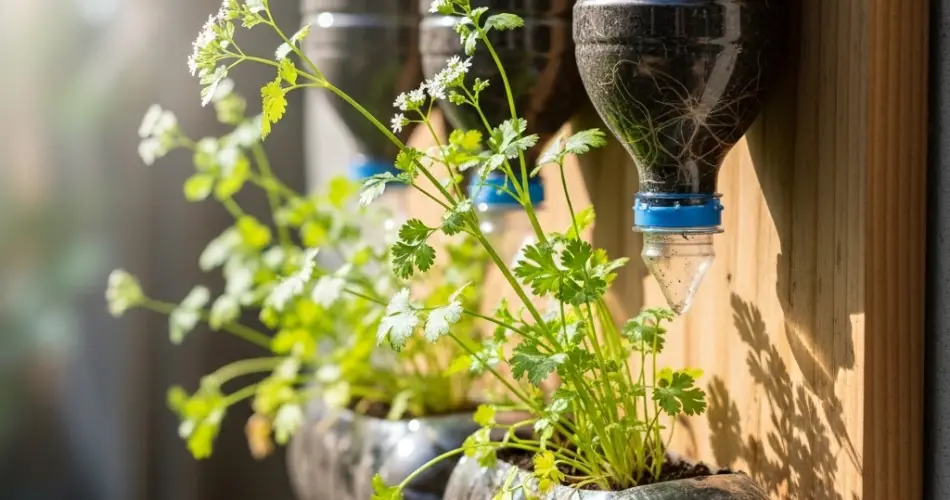
Cilantro, also known as coriander, is a popular herb in many cuisines around the world. Its fresh, citrusy flavor enhances salsas, soups, curries, and salads. Growing cilantro at home ensures you have a constant supply of this fragrant herb while reducing reliance on store-bought bunches that often wilt quickly. One of the easiest ways to multiply cilantro plants is by cloning cuttings using a simple bottle propagation method.
This approach is budget-friendly, space-saving, and environmentally conscious. By reusing plastic bottles, you can create a small-scale propagation station that produces healthy cilantro plants efficiently.
Why Clone Cilantro from Cuttings?
Starting cilantro from cuttings has several advantages over planting seeds:
-
Faster growth: Seeds can take weeks to germinate, while cuttings begin rooting within days.
-
Consistency: Cuttings are clones of the parent plant, preserving the same flavor and aroma.
-
Cost-effective: There’s no need to purchase seeds or nursery plants.
-
Eco-friendly: Reusing plastic bottles for propagation reduces waste while promoting sustainable gardening.
Selecting Healthy Cilantro Stems
Choose a vigorous, pest-free cilantro plant for cuttings. Look for stems that are tender yet sturdy, about 10–12 cm long. Avoid stems that are flowering or overly woody, as they tend to root more slowly and may not develop into strong plants.
The ideal cuttings are taken from the upper portions of the plant, where growth is young and healthy. Trim any flower buds to direct energy toward root development.
Preparing Your Plastic Bottle
A clear plastic bottle, such as a 1- or 1.5-liter water or soda bottle, is perfect for this method. Transparent bottles allow you to monitor root growth without disturbing the plant.
Steps to prepare the bottle:
-
Remove the label and wash the bottle thoroughly.
-
Cut the bottle approximately one-third from the top.
-
Use the bottom portion as a water container for rooting the cuttings.
-
Optionally, create a self-watering system by inverting the top portion into the bottom and threading a cotton wick through the cap to draw water up.
This setup ensures consistent moisture for the cuttings while preventing leaves from touching water, reducing the risk of rotting.
Preparing Cilantro Cuttings
-
Cut just below a leaf node, the point where roots are most likely to form.
-
Trim the cutting to 10–12 cm in length, leaving at least two sets of leaves intact at the top.
-
Remove the lower leaves to reduce water loss and avoid bacterial growth.
-
Optionally, dip the cut end in rooting hormone to encourage faster root formation, though cilantro often roots well without it.
Rooting Cilantro in Bottles
Fill the bottle with clean, room-temperature water, submerging only the leaf nodes. Keep the leaves above water to prevent rotting. Place the bottle in a bright location with indirect sunlight. Cilantro prefers temperatures around 18–24°C for optimal root development.
Change the water every two to three days to keep it fresh and oxygenated. Small white roots should appear within 7–10 days. Once roots reach 5–7 cm in length, the cuttings are ready for planting in soil.
Transplanting Rooted Cilantro Cuttings
Prepare a small pot or garden bed with well-draining soil enriched with compost. Cilantro grows best in loose, fertile soil that retains moisture without becoming waterlogged.
Steps:
-
Make a hole in the soil large enough for the roots.
-
Gently place the cutting into the hole and cover with soil.
-
Water thoroughly to help settle the roots.
-
Keep the newly transplanted plants in partial shade for a few days to acclimate before moving them to a sunnier spot.
Once established, cilantro prefers moderate watering and benefits from occasional trimming to encourage bushier growth.
Caring for Cilantro Plants
-
Sunlight: Cilantro thrives in full sun to partial shade.
-
Watering: Keep the soil consistently moist but avoid waterlogging.
-
Pruning: Regular harvesting encourages continuous leaf production and prevents flowering.
-
Fertilizing: Apply a light, balanced fertilizer every 3–4 weeks for optimal growth.
Continuous Propagation
Once your first batch of cuttings is established, you can continue cloning cilantro indefinitely. By keeping a healthy mother plant, you can maintain a constant supply of new cuttings. This method also allows you to share plants with friends or expand your herb garden over time.
Benefits of Bottle Propagation
-
Affordable: Uses materials readily available at home.
-
Eco-friendly: Repurposes plastic bottles.
-
Space-efficient: Suitable for windowsills, balconies, or small indoor gardens.
-
Easy monitoring: Transparent bottles make it simple to observe root development.
Final Thoughts
Cloning cilantro in recycled plastic bottles is a simple, effective, and sustainable method for expanding your herb garden. In just a couple of weeks, you can turn a single stem into a healthy new plant ready for transplanting.
This beginner-friendly technique produces consistent results, saves money, and supports eco-conscious gardening practices. With a few cuttings and recycled bottles, you can enjoy a continuous supply of fresh cilantro, right from your home garden.


