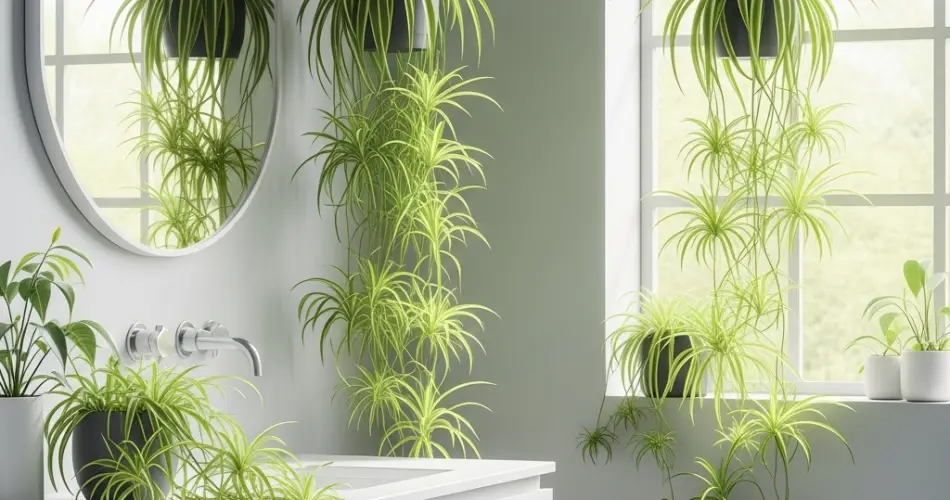
Spider plants (Chlorophytum comosum) are known for their graceful arching leaves and ease of care, making them a popular choice for homes and offices alike. But one question often arises among plant lovers: can spider plants survive—and even thrive—in a bathroom?
The short answer is yes. In fact, bathrooms can offer an excellent environment for spider plants when a few key conditions are met. Their adaptability and resilience allow them to flourish in spaces with fluctuating temperatures and humidity, as long as they receive proper light and care.
Here’s everything you need to know about growing spider plants successfully in a bathroom setting.
Why Bathrooms Can Be Ideal for Spider Plants
Bathrooms might not be the first place you think of for houseplants, but they can actually provide several benefits that spider plants love.
1. Humidity Boost
Spider plants originate from tropical and subtropical regions where humidity is naturally high. Bathrooms, especially those with regular showers, offer a naturally humid environment that helps prevent the tips of the leaves from drying out and turning brown.
This high moisture level in the air also supports healthy leaf growth and can reduce the need for frequent misting or humidifiers.
2. Compact Space-Friendly
Spider plants don’t need a huge footprint to grow. They’re perfect for hanging baskets, shelves, or countertop planters—common setups in bathrooms. Their cascading leaves create a lush, decorative touch without taking up much space.
3. Air-Purifying Benefits
Spider plants are known for their ability to purify indoor air by removing pollutants like formaldehyde and carbon monoxide. Growing one in your bathroom can help maintain a cleaner, fresher atmosphere, especially in enclosed or poorly ventilated spaces.
Conditions to Consider Before Placing a Spider Plant in Your Bathroom
While bathrooms can offer great humidity and temperature for spider plants, other factors—especially lighting—must be carefully managed.
1. Light Requirements
Spider plants prefer bright, indirect light. A bathroom with a window that receives filtered sunlight is ideal. However, some bathrooms may lack natural light altogether.
If your bathroom is windowless or very dim:
-
Consider placing the plant near the bathroom door, where it may receive light from other rooms.
-
Rotate the plant regularly by moving it to a brighter area for a few hours each week.
-
Use a grow light to supplement natural light, especially in darker bathrooms or during winter months.
Avoid placing spider plants in direct sunlight, which can scorch their leaves, especially through small bathroom windows.
2. Temperature Fluctuations
Spider plants are quite forgiving when it comes to temperature changes, which makes them suitable for bathrooms where temperatures rise and fall due to showers or heating.
Maintain an overall temperature range between 60°F and 80°F (16°C to 27°C). Just ensure the plant isn’t in the direct line of cold drafts from windows or vents, as sudden drops in temperature can cause leaf damage or slowed growth.
3. Pot and Drainage
Even in humid rooms, spider plants don’t like sitting in water. Proper drainage is essential to prevent root rot.
-
Use a pot with drainage holes to allow excess water to escape.
-
Opt for a lightweight, well-draining potting mix that includes peat moss and perlite.
-
If placing the plant in a decorative pot without holes, keep it in a plastic nursery pot and remove it to water, letting it drain before placing it back.
Caring for Your Spider Plant in the Bathroom
Here are some easy care tips to keep your bathroom spider plant happy:
-
Water when the top inch of soil feels dry. Spider plants don’t like soggy soil but will show signs of thirst if left dry too long.
-
Fertilize lightly every 4–6 weeks during spring and summer with a diluted houseplant fertilizer. Skip feeding during fall and winter.
-
Wipe the leaves occasionally to remove dust and keep them looking fresh, especially in bathrooms with limited airflow.
-
Watch for brown tips, which may be a sign of fluoride sensitivity, low humidity, or inconsistent watering. Use filtered or distilled water to reduce the risk of mineral buildup.
Bonus: Spider Plant Babies in the Bathroom
With good light and care, your spider plant may start producing baby plants or “spiderettes.” These can dangle from long stems and root easily in water or soil. Bathrooms can encourage this growth thanks to the constant humidity, making propagation easier.
To encourage baby growth:
-
Keep the plant slightly root-bound.
-
Ensure it’s getting enough indirect light.
-
Maintain regular feeding during the growing season.
You can leave the spiderettes attached for a cascading look or clip and root them in small pots to grow new plants.
Final Thoughts
Spider plants are remarkably adaptable, and bathrooms can be surprisingly suitable homes for them. As long as they receive enough indirect light and proper drainage, they’ll thrive in the warm, humid air typical of bathrooms. Whether hanging from the ceiling or sitting on a shelf, a spider plant adds vibrant greenery and natural charm to even the smallest washroom.
With just a little attention to light and watering, your bathroom spider plant can remain healthy, grow new leaves, and even produce baby plants—all while helping to purify the air in one of your home’s most used spaces.


