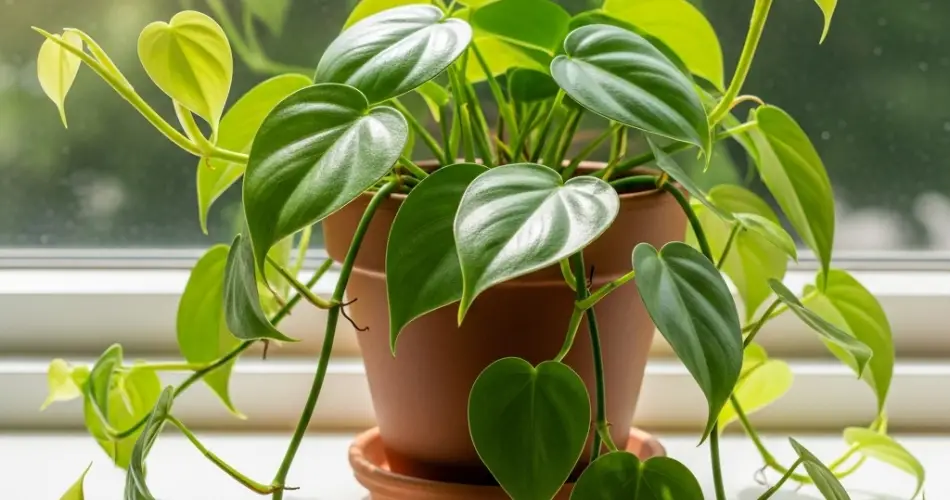
Heart leaf philodendrons (Philodendron hederaceum) are among the most beloved houseplants thanks to their charming, trailing vines and glossy, heart-shaped leaves. Known for their resilience and adaptability, they are often recommended for beginners and experienced plant enthusiasts alike. A common question many plant owners ask is: Can heart leaf philodendrons grow in low light?
The simple answer is yes—these plants are highly adaptable and can survive in low-light conditions. However, while they tolerate dim spaces better than many other plants, they will not reach their fullest potential without some access to light.
Natural Habitat and Light Preferences
Heart leaf philodendrons are native to tropical rainforests in Central and South America. In the wild, they grow as climbing or trailing vines under dense tree canopies, where they receive dappled or filtered light. This natural adaptation explains why they do well indoors and can handle lower light levels than many other houseplants.
Their ideal indoor environment is bright, indirect light, where they grow quickly and produce larger, more vibrant leaves. That said, their ability to survive in dimmer spaces makes them one of the most forgiving plants for apartments, offices, or rooms with few windows.
Can They Grow in Low Light?
Yes, heart leaf philodendrons can grow in low light, but with some trade-offs. In dim conditions, they may produce smaller leaves, slower growth, and longer spaces between leaves on the vine. Still, they often remain attractive and healthy, even in less-than-ideal lighting.
Here’s what you can expect in different settings:
-
Bright, indirect light: Best growth, fuller vines, larger leaves.
-
Medium light: Good growth with slightly slower development.
-
Low light: Slower growth, smaller leaves, but the plant survives.
-
No light at all: Not sustainable—like all plants, they need at least some light source.
Signs of Insufficient Light
If your heart leaf philodendron is struggling in a low-light room, you may notice:
-
Leggy vines: Long, stretched-out stems with fewer leaves.
-
Pale or yellowing leaves: A sign the plant isn’t photosynthesizing enough.
-
Very slow growth: Few or no new leaves over several months.
These symptoms don’t necessarily mean the plant is dying—they simply indicate it could benefit from more light.
Tips for Growing Heart Leaf Philodendrons in Low Light
If you want your philodendron to thrive in dimmer rooms, here are some practical care tips:
-
Supplement with artificial lighting
If your space lacks windows, place the plant under LED or fluorescent lights. A grow light for 8–10 hours daily works wonders. -
Avoid overwatering
In low light, the soil dries out more slowly. Water only when the top inch of soil feels dry to the touch. -
Prune regularly
Trim long, leggy vines to encourage bushier growth, even in dim conditions. -
Rotate the plant
Turn the pot every couple of weeks so all sides receive equal exposure to the available light. -
Keep leaves clean
Dust can block light absorption, so wipe the leaves regularly with a damp cloth.
Choosing the Right Spot
Heart leaf philodendrons adapt well to different parts of the home, but some locations are better than others:
-
North-facing rooms: They adapt well here since light is soft and consistent.
-
Hallways or bathrooms with windows: Great spots for their low-light tolerance.
-
Corners away from windows: They can survive, but adding a grow light will keep them healthier.
Benefits of Growing Philodendrons in Low Light
-
Low maintenance: They don’t demand constant bright light, making them easy for beginners.
-
Versatility: They grow well in hanging baskets, on shelves, or as tabletop plants.
-
Air-purifying qualities: Like many philodendrons, they help filter indoor air.
-
Durability: Even if neglected, they bounce back quickly with a little care.
When to Provide More Light
If your philodendron looks sparse, pale, or stops growing, it’s a sign it needs more brightness. Simply moving it closer to a window with filtered light or adding artificial light can restore its lush, trailing beauty.
Final Thoughts
Heart leaf philodendrons are remarkably forgiving plants that can survive in low-light rooms. While they may not grow as vigorously or produce as large leaves as they would in brighter conditions, they remain attractive and resilient. Their natural adaptability makes them perfect for offices, apartments, and shaded rooms where other plants might fail.
If you want your heart leaf philodendron to truly flourish, give it bright, indirect light whenever possible. But if your space is dim, rest assured that this hardy plant will still provide beauty and greenery, even in the shadows.


