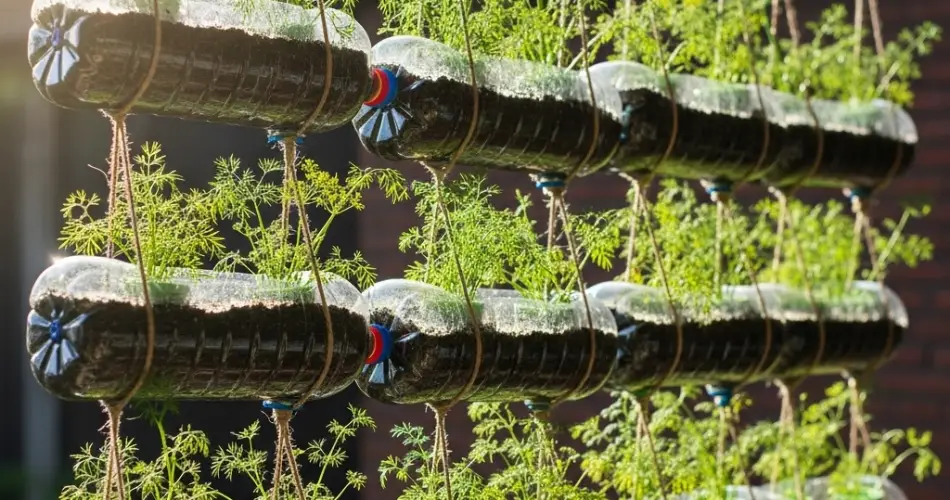
Dill is a versatile and fragrant herb beloved for its feathery leaves and distinctive flavor. It’s a must-have for home cooks who enjoy pickling, seasoning fish, or adding a fresh herbal note to salads and soups. While dill is traditionally grown in garden beds, it adapts beautifully to vertical gardening—especially when using repurposed plastic bottles as planters.
A bottle-based herb wall is a smart, space-saving solution for those with limited outdoor space or anyone looking to add a functional, green feature to their home. With a little creativity, you can grow fresh dill within easy reach, all while giving discarded bottles a second life.
Why Grow Dill in a Vertical Bottle Garden?
Vertical gardening with bottles offers several benefits that make it an excellent choice for dill cultivation:
-
Space Optimization: Perfect for balconies, patios, and small backyards.
-
Eco-Friendly: Repurposes plastic bottles, helping reduce waste.
-
Easy Maintenance: Plants are raised off the ground, making them easier to water, prune, and harvest.
-
Aesthetic Appeal: A lush green wall of dill adds visual interest and freshness to any setting.
Dill also thrives in well-drained soil and full sunlight—conditions that a vertical bottle arrangement can easily provide.
Materials You’ll Need
Before you start, gather the following supplies:
-
Large plastic bottles (1.5–2 liters work best)
-
Scissors or a utility knife
-
Drill with a small bit
-
Sturdy frame, wall-mounted rack, or wire mesh for support
-
Potting mix suited for herbs
-
Dill seeds or seedlings
-
Small stones or pebbles for drainage
-
Screws, nails, or zip ties for mounting
Step-by-Step Instructions
1. Prepare the Bottles
Clean the bottles thoroughly. Cut an opening along one side large enough for planting but small enough to retain soil securely. Leave the bottle caps on, but drill 2–3 small drainage holes in them to prevent water buildup.
2. Add Drainage Material
Place a layer of small stones or pebbles inside the bottom of each bottle. This helps excess water drain away from the roots and prevents rot.
3. Fill with Potting Mix
Dill prefers loose, well-draining soil. Choose a potting mix formulated for herbs or create your own blend with garden soil, compost, and sand for improved drainage.
4. Plant the Dill
If starting from seeds, sprinkle them evenly in the soil and cover lightly. Keep the soil moist until germination, which usually takes 10–14 days. For seedlings, carefully remove them from their containers, loosen the roots, and plant them at the same depth they were growing before.
5. Mount the Bottles
Secure each bottle to your wall or frame using screws through the base or zip ties around the body. Arrange them in rows or a staggered pattern to maximize space and light exposure.
6. Water Moderately
Dill likes consistent moisture but not soggy soil. Water lightly, ensuring excess water can escape through the drainage holes.
Caring for Your Dill Herb Wall
Maintaining a vertical dill garden is straightforward but requires a few key practices:
-
Sunlight: Place your wall in a sunny location with at least 6 hours of direct sunlight daily.
-
Pruning: Regularly snip leaves to encourage bushier growth. Pinch off flower heads if you want to prolong leaf production.
-
Fertilizing: Apply a balanced, water-soluble fertilizer every few weeks to keep the plants healthy.
-
Rotation: If you grow dill year-round, rotate plants periodically to prevent soil nutrient depletion.
Harvesting Tips
One of the joys of a bottle-based dill wall is having fresh herbs at arm’s reach. Harvest young leaves for the best flavor, cutting them close to the stem. Dill can be used fresh or dried, and its seeds can also be harvested for culinary use.
If your goal is seed collection, allow some plants to flower and go to seed. Once the seed heads turn brown, cut and dry them in a paper bag before storing.
Creative Design Ideas
Your dill wall can be functional and decorative. Try these ideas to enhance its appearance:
-
Mix Herbs: Grow dill alongside parsley, cilantro, or basil for a diverse herb wall.
-
Decorate Bottles: Paint the bottles or wrap them in twine to create a rustic look.
-
Add Labels: Use small chalkboard tags or painted signs to identify each herb.
-
Incorporate Height Variation: Arrange bottles at different levels for an eye-catching layered effect.
Benefits Beyond the Kitchen
A vertical dill garden isn’t just about cooking convenience—it offers other advantages:
-
Air Freshening: The subtle aroma of dill adds a fresh scent to outdoor spaces.
-
Pollinator Attraction: Dill flowers attract beneficial insects such as bees and ladybugs.
-
Eco-Conscious Gardening: Reusing plastic bottles reduces waste and promotes sustainability.
-
Educational Value: A bottle garden can be a fun, hands-on project for teaching kids about plants and recycling.
Final Thoughts
Building a bottle-based dill herb wall is a rewarding way to combine gardening creativity with eco-friendly practices. With minimal tools and materials, you can turn a bare wall into a thriving vertical garden that supplies your kitchen with fresh dill throughout the growing season.
Whether you live in an apartment with a sunny balcony or a house with limited yard space, this method proves that gardening possibilities are endless when you think vertically. In just a short time, you can enjoy the taste, scent, and beauty of homegrown dill—straight from your own living wall.


