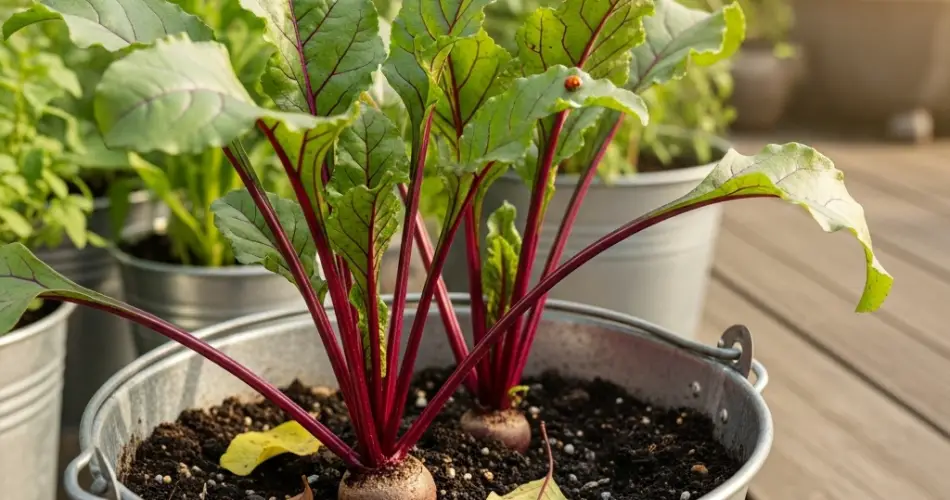
Beetroots are one of the most rewarding vegetables to grow at home. With their rich red color, earthy sweetness, and powerful nutritional benefits, they are a must-have in the kitchen. Whether you enjoy them roasted, pickled, juiced, or as leafy greens, beetroots are versatile and healthy. The good news is that you don’t need a large garden bed to enjoy fresh harvests. With just a simple bucket and the right care, you can grow healthy red beetroots right on your balcony, patio, or small backyard.
Why Grow Beetroots in Buckets?
Growing beetroots in buckets offers unique advantages, especially for those living in urban settings:
-
Space-saving solution: Buckets allow you to grow crops in compact areas, making them ideal for small homes.
-
Soil control: You can create loose, fertile soil conditions perfect for root growth.
-
Pest reduction: Buckets keep plants elevated, reducing risks from soil-borne diseases and crawling insects.
-
Continuous harvests: With staggered planting, you can enjoy fresh beets almost all year.
This method is simple, cost-effective, and perfect for beginners as well as experienced gardeners.
Selecting the Right Container
A standard 5-gallon bucket is the best choice for growing beetroots. Make sure it has:
-
Depth: At least 10–12 inches to allow proper root development.
-
Drainage: Drill 5–6 holes at the bottom to prevent waterlogging.
-
Space: One bucket can accommodate 6–8 beet plants comfortably.
For hot climates, light-colored buckets are preferable as they keep the soil cooler.
Preparing the Soil
Beetroots thrive in soft, loose, and well-draining soil that encourages roots to expand evenly. A recommended mix for bucket gardening is:
-
40% quality potting soil
-
40% compost for nutrients
-
20% perlite or coarse sand for aeration
Beets dislike compacted or clay-heavy soil, which can lead to stunted or misshapen roots. To boost growth, mix in a small amount of organic fertilizer such as bone meal before planting.
Planting Red Beetroots
Beetroots are grown from seeds, which are actually small seed clusters. Follow these steps:
-
Fill your bucket with the prepared soil, leaving an inch of space at the top.
-
Sow seeds about ½ inch deep and 2 inches apart.
-
Water gently to moisten the soil without washing the seeds away.
-
Once seedlings sprout, thin them to 3–4 inches apart to give roots room to develop.
The seedlings you thin out can be used as baby greens in salads or cooked dishes, so nothing goes to waste.
Caring for Beet Plants
Watering
Beetroots need consistent moisture. Check the soil regularly and water when the top inch feels dry. Uneven watering can cause cracking or woody roots, so aim to keep the soil evenly damp.
Sunlight
Buckets should be placed where they receive at least 6–8 hours of sunlight daily. Too much shade results in lush leaves but small roots.
Fertilizing
Feed the plants with compost tea or a balanced liquid fertilizer every 3–4 weeks. Avoid over-fertilizing with nitrogen, which encourages leafy tops instead of root development.
Mulching
Apply a thin layer of straw, dried leaves, or grass clippings to retain soil moisture and regulate temperature.
Harvesting Your Beetroots
Depending on the variety, red beetroots are ready to harvest in 50–70 days. You can tell they are mature when the tops of the roots push above the soil line.
-
Baby beets: Harvest when they are about the size of a golf ball for tender, sweet flavor.
-
Full-sized beets: Allow them to grow to 2–3 inches in diameter.
To harvest, gently loosen the soil around the root and pull it up by the base of the stem. Be sure to harvest before the roots grow too large, as oversized beets can become tough and woody.
Don’t forget the greens—they are edible and packed with nutrients, making a great addition to stir-fries, soups, or salads.
Common Growing Challenges
Even with bucket gardening, you may encounter minor issues:
-
Crowded roots: Thin seedlings early to prevent small, misshapen beets.
-
Pests: Aphids or flea beetles may target leaves; spraying neem oil or rinsing leaves with water can help.
-
Bolting: Beetroots may flower if exposed to stress or extreme heat. Consistent watering and partial shading during hot spells can reduce this.
-
Poor root growth: This is often caused by compacted soil or excessive nitrogen fertilizer. Stick with well-draining soil and balanced nutrition.
Enjoying Your Harvest
Freshly harvested red beetroots are incredibly versatile. Roast them with herbs, pickle them for long storage, blend them into smoothies, or boil and slice them for salads. Their natural sweetness pairs well with a variety of dishes. The greens can be sautéed with garlic or used in soups as a nutrient-dense ingredient.
By planting successive batches every few weeks, you can enjoy a steady supply of both roots and greens throughout the growing season.
Final Thoughts
Bucket gardening for red beetroots is an easy, sustainable way to grow healthy vegetables at home. With minimal space and effort, you can produce vibrant roots packed with flavor and nutrients. This method is especially useful for urban dwellers, apartment owners, and anyone looking to add fresh, homegrown food to their diet.
Once you experience the taste of freshly harvested red beets, you’ll see why they are worth the effort. With a bucket, some soil, and care, your small container garden can provide you with an abundance of delicious, colorful harvests season after season.


