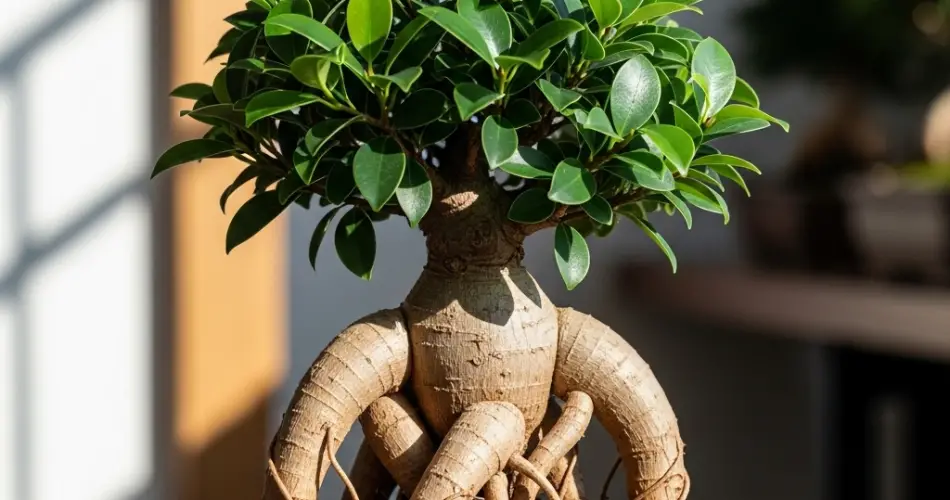
Houseplants have long been valued not only for their beauty but also for the sense of harmony and positive energy they bring into our living spaces. Among the many popular indoor plants, the Ginseng Ficus (Ficus microcarpa) stands out as both an elegant decorative plant and a symbolic source of balance and prosperity. With its sculptural trunk, glossy green leaves, and reputation as a plant of good fortune, the ginseng ficus has found its way into homes, offices, and even meditation spaces around the world.
What Is a Ginseng Ficus?
The ginseng ficus is a variety of Ficus microcarpa often grown as a bonsai plant. It gets its name from its thick, swollen roots that resemble ginseng roots, giving it a distinctive, almost sculptural appearance. The top of the plant typically features dense clusters of small, oval-shaped leaves that contrast beautifully with the textured base.
Because of its artistic look and relatively low maintenance, this plant has become a favorite choice for people seeking a decorative bonsai tree that also carries symbolic meaning.
Symbolism of Balance and Prosperity
In many cultures, plants are believed to influence the flow of energy within a space. The ginseng ficus is no exception. In Feng Shui, this plant is thought to bring harmony, wealth, and positive chi (energy) into the home. Its sturdy trunk represents strength and grounding, while its lush foliage symbolizes abundance and growth.
Placing a ginseng ficus in the living room, study, or workplace is often seen as a way to invite balance, attract financial prosperity, and create a calm, stable environment. For this reason, it is not only a decorative piece but also a meaningful plant that adds depth to any interior setting.
Best Locations for Ginseng Ficus
If you’re planning to welcome a ginseng ficus into your home, where you place it can enhance both its health and symbolic value.
-
Living room: Acts as a centerpiece while spreading positive energy throughout a shared space.
-
Office or study: Encourages focus, productivity, and financial success.
-
Entryway: Symbolizes a welcoming flow of good fortune into the home.
-
Meditation or relaxation area: Brings calmness and balance.
For Feng Shui purposes, the southeast corner of the home is often recommended, as this area is linked to wealth and prosperity.
Light and Growing Conditions
Though the ginseng ficus is prized for its symbolism, it also requires the right care to stay healthy and vibrant. Fortunately, it’s a hardy plant that adapts well to indoor living.
-
Light: Prefers bright, indirect light. While it can tolerate lower light levels, too little light may cause leaf drop. A spot near a sunny window with filtered light is ideal.
-
Water: Water thoroughly when the top inch of soil feels dry. Avoid waterlogging, as the plant is sensitive to root rot.
-
Temperature: Thrives in typical indoor temperatures (60–75°F or 16–24°C). Keep it away from drafts and sudden temperature changes.
-
Humidity: Moderate humidity is best. If the air is very dry, occasional misting can help.
Styling and Decorative Value
One of the reasons the ginseng ficus is so popular is its striking bonsai form. The thick, intertwined roots and sturdy trunk give it a strong, grounded presence, while the compact foliage softens its appearance. This balance between strength and delicacy makes it an appealing decorative piece for both modern and traditional interiors.
The plant looks especially beautiful in ceramic bonsai pots or minimalist containers that highlight its natural form. With regular pruning, you can shape it to maintain a neat, artistic appearance, making it a living piece of art in your home.
Tips for Long-Term Success
To keep your ginseng ficus thriving for years, follow these care practices:
-
Prune regularly – Trim new shoots to maintain shape and encourage fuller growth.
-
Repot every 2–3 years – Refresh the soil and provide space for healthy roots.
-
Fertilize during growing season – Use a balanced, water-soluble fertilizer every 4–6 weeks in spring and summer.
-
Watch for pests – Check occasionally for common houseplant pests like scale or spider mites.
-
Avoid overwatering – Consistently moist but not soggy soil is key to preventing root problems.
A Gift of Meaning
Because of its symbolic associations, the ginseng ficus makes a thoughtful gift for housewarmings, business openings, or special occasions. It carries wishes for prosperity, strength, and harmony, making it more meaningful than a purely decorative plant.
Final Thoughts
The ginseng ficus is more than just a houseplant—it’s a symbol of balance, prosperity, and resilience. With its unique bonsai-like trunk and lush green foliage, it adds artistic beauty and positive energy to any space. Whether you keep it for its decorative appeal, its Feng Shui significance, or simply for the joy of caring for a hardy plant, the ginseng ficus is a wonderful addition to your indoor garden.
By giving it the right care and placing it thoughtfully in your home, you can enjoy not only a striking piece of natural art but also the sense of harmony and abundance it is believed to bring.


