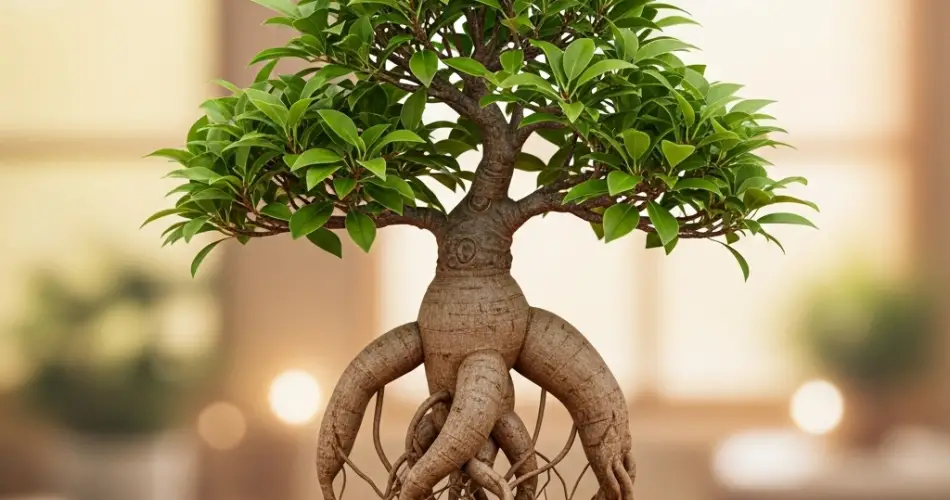
Indoor plants are cherished not only for their beauty but also for the symbolic meanings they carry. Among these, the Ginseng Ficus (Ficus microcarpa), often styled as a bonsai, stands out as both an ornamental treasure and a plant believed to bring good fortune. Its unique appearance—thick, gnarled roots paired with a canopy of lush green leaves—makes it a conversation piece, while its symbolism has made it a popular gift for homes, offices, and special occasions.
Let’s explore the symbolism of the Ginseng Ficus and understand why it is often considered a plant of prosperity, luck, and resilience.
A Plant of Strength and Endurance
One of the most striking features of the Ginseng Ficus is its thick, bulbous trunk, which resembles intertwined roots. This characteristic is symbolic of strength, resilience, and stability. In many traditions, a strong foundation represents security and the ability to weather life’s challenges.
The Ginseng Ficus embodies this symbolism perfectly. Its roots not only anchor the plant but also serve as a reminder that stability and perseverance are essential qualities for success. Many people keep this plant in their living or working spaces as a source of inspiration for endurance and determination.
A Symbol of Prosperity and Wealth
In Feng Shui, plants play an important role in creating positive energy, or “chi,” within a space. The Ginseng Ficus is believed to attract prosperity and financial luck, especially when placed in areas associated with wealth, such as the southeast corner of a home or office. Its rounded leaves are thought to symbolize abundance and growth, while its sturdy trunk suggests the ability to hold on to wealth.
This connection to prosperity has made the Ginseng Ficus a common gift for business openings, housewarmings, or anyone embarking on a new financial journey. It’s not just a decorative plant but also a living emblem of good fortune.
A Representation of Harmony and Balance
The bonsai styling of the Ginseng Ficus further enhances its symbolic meaning. Bonsai art emphasizes balance, harmony, and patience, values that align with both Eastern philosophy and mindful living practices. By caring for a Ginseng Ficus, individuals are reminded to cultivate peace and balance in their own lives.
Its graceful canopy of small, glossy leaves creates a soothing presence, making it a perfect addition to spaces where harmony and relaxation are desired, such as meditation corners, bedrooms, or living rooms.
A Plant of Longevity
Another reason the Ginseng Ficus is associated with luck is its connection to longevity. As a type of ficus, it is known to live for many years with proper care. In cultures where long life is considered a blessing, the plant symbolizes continuity, health, and lasting happiness.
When given as a gift, the Ginseng Ficus conveys wishes for a long and prosperous life. This makes it a thoughtful and meaningful present for birthdays, anniversaries, or milestone celebrations.
Positive Energy in Indoor Spaces
Beyond its symbolic meanings, the Ginseng Ficus contributes to a healthier indoor environment. Like many houseplants, it helps purify the air by absorbing toxins and releasing oxygen. This natural ability enhances the sense of freshness and vitality in a room, which is often associated with positive energy flow.
In spiritual and symbolic terms, plants that cleanse and refresh the environment are believed to remove negativity and attract uplifting energies. Thus, the Ginseng Ficus is not only visually appealing but also a plant that fosters a positive atmosphere in both homes and workplaces.
Caring for a Symbol of Luck
Symbolism is most meaningful when paired with care and respect. To keep a Ginseng Ficus thriving, provide it with bright, indirect light, moderate watering, and occasional pruning to maintain its bonsai shape. Healthy growth reinforces its symbolism of prosperity, balance, and strength.
Placing it in a well-lit spot, such as near a window with filtered light, allows the plant to grow vigorously, enhancing its role as a symbol of abundance and harmony.
Conclusion
The Ginseng Ficus is much more than a decorative bonsai—it carries rich symbolic meanings that make it a cherished good luck plant. From strength and resilience to prosperity, balance, and longevity, it embodies qualities that many people wish to cultivate in their lives.
Whether used in Feng Shui practices, given as a thoughtful gift, or simply kept as a daily reminder of endurance and harmony, the Ginseng Ficus brings more than greenery to a space. It carries with it a sense of positivity and inspiration, making it a true plant of good fortune.


