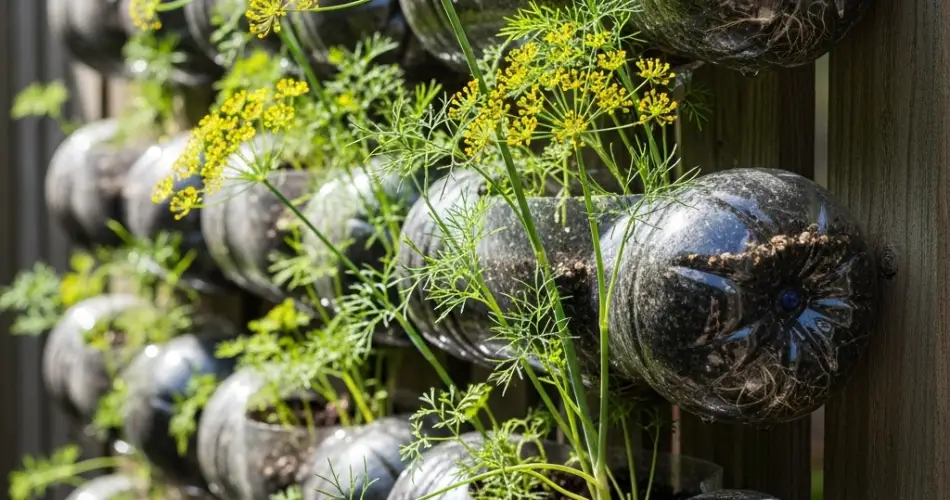
Dill is a versatile herb prized for its fresh, tangy flavor, which enhances everything from pickles to seafood dishes. Growing your own dill at home offers fresh, flavorful leaves anytime, and doing so sustainably adds an eco-friendly dimension to your gardening routine. One creative and practical way to grow dill is by repurposing plastic bottles as planters. This method saves space, reduces plastic waste, and provides an ideal environment for dill to flourish. This article offers a comprehensive guide to sustainably growing dill using recycled bottles, making herb gardening accessible and green.
Why Grow Dill in Plastic Bottles?
Growing dill in recycled plastic bottles offers numerous benefits:
Saves Space: Bottles can be hung or placed on windowsills, perfect for small apartments, balconies, or kitchens.
Controlled Environment: Bottles help maintain moisture and warmth, fostering healthy dill growth.
Easy Maintenance: Elevated planters are accessible for watering, pruning, and harvesting.
Visual Appeal: Clear or decorated bottles add a charming, modern touch to any space.
Materials Needed
Plastic bottles (1 to 2 liters) — clear or opaque
Scissors or utility knife
Quality potting soil, preferably well-draining
Dill seeds or seedlings
String, twine, or wire for hanging (optional)
Small stones or gravel for drainage
Spray bottle for gentle watering
Preparing Your Bottle Planters
Clean the Bottles: Thoroughly wash bottles to remove any dirt and residues.
Cut the Bottles: Cut a window or open the top third of the bottle to create an accessible planting space.
Drainage Holes: Poke several small holes in the bottle’s bottom to ensure excess water drains, preventing root rot.
Add Drainage Layer: Place a layer of small stones or gravel at the bottom inside the bottle to improve drainage.
Attach Hanging Materials (Optional): Tie string or wire securely around the neck or body for hanging. Ensure stability if hanging vertically.
Planting Dill in Bottles
Fill the prepared bottle with moist, well-draining potting soil, leaving an inch from the top for watering.
Sow dill seeds thinly over the soil surface, lightly covering with about ¼ inch of soil. If transplanting seedlings, plant them gently at the same depth they were growing in previously.
Mist the soil lightly with water to settle seeds or roots without disturbing them.
Place the bottle planter where it will receive at least 6 hours of direct sunlight daily, as dill thrives in bright conditions.
Caring for Dill in Bottle Gardens
Watering: Keep the soil evenly moist but avoid waterlogging. Since bottles drain quickly, check soil moisture frequently and water gently when the top inch feels dry.
Light: Dill requires ample sunlight to grow strong and flavorful. Use a sunny windowsill or supplement with grow lights indoors.
Fertilizing: Dill is a light feeder; a diluted balanced fertilizer once every month during the growing season is sufficient.
Pruning and Harvesting: Regularly snip dill leaves to encourage bushier growth and prevent the plant from flowering prematurely. Harvest leaves as needed for cooking.
Temperature: Dill grows best between 60°F and 75°F (15°C to 24°C). Avoid exposing plants to extreme heat or frost.
Creative Ideas for Your Bottle Dill Garden
Vertical Herb Wall: Hang multiple bottle planters in staggered rows on a wall or frame for an eye-catching vertical herb garden.
Mixed Herb Bottles: Combine dill with other herbs such as parsley, chives, or cilantro for a flavorful, compact garden.
Decorate Bottles: Personalize your planters by painting or wrapping bottles with fabric, twine, or washi tape.
Self-Watering Systems: Create a simple wick system to draw water from a reservoir below, reducing watering frequency.
Indoor Kitchen Garden: Keep your dill bottles on a sunny kitchen windowsill for easy access when cooking.
Troubleshooting Common Issues
Wilting: Usually due to underwatering or excessive heat. Keep soil moist and avoid placing bottles in harsh direct sun during peak heat.
Yellowing Leaves: May indicate overwatering or nutrient deficiencies. Ensure proper drainage and adjust watering habits; consider light feeding.
Leggy Growth: Insufficient light can cause spindly stems. Move planters to brighter locations or add supplemental lighting.
Pests: Watch for aphids or fungal issues. Use natural remedies like neem oil or insecticidal soap as needed and maintain good airflow.
Benefits of Growing Dill in Bottles
Using recycled plastic bottles to grow dill offers a simple, sustainable gardening solution that reduces waste and promotes green living. The compact size and portability of bottle planters make them ideal for small spaces and urban environments. Growing your own dill at home ensures fresh, flavorful herbs on hand, while the creative reuse of plastic bottles demonstrates an eco-conscious lifestyle. This method is perfect for novice gardeners and seasoned green thumbs alike.
Final Thoughts
Sustainably growing dill in recycled plastic bottles is an innovative and practical way to bring fresh herbs into your home. This method blends environmental responsibility with the joy of gardening, providing a controlled, efficient environment that supports healthy plant growth. With easy maintenance and space-saving design, bottle gardens allow you to cultivate vibrant, aromatic dill all year round. Whether you’re sprucing up a balcony or adding greenery to your kitchen, growing dill in bottles is a rewarding and sustainable gardening hack that anyone can try.