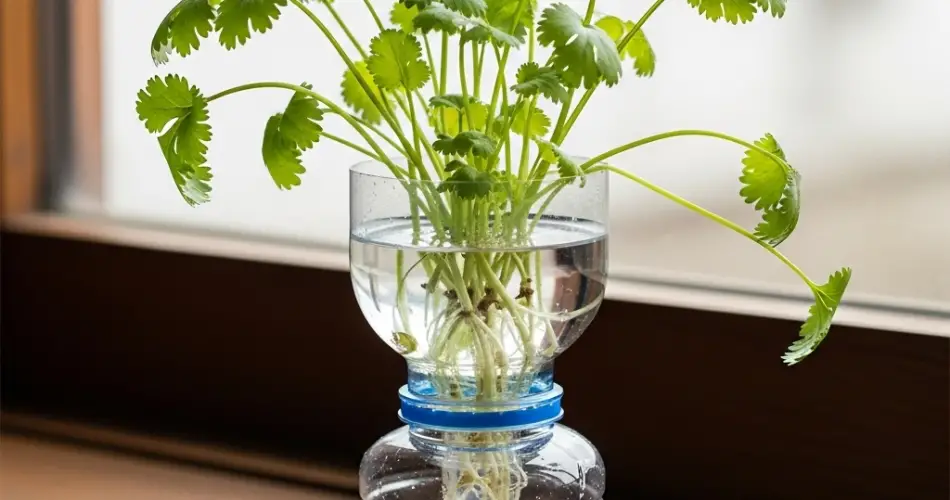
Cilantro (also known as coriander) is a bright, fragrant herb essential in many kitchens around the world. Its refreshing flavor pairs perfectly with salsas, curries, soups, and salads. Unfortunately, cilantro doesn’t always last long in store-bought bundles. The good news? It’s easy to grow your own at home—even if you don’t have a garden.
With a recycled plastic bottle and a sunny windowsill or balcony, you can create a compact, efficient cilantro planter that’s both sustainable and space-saving. This DIY bottle planter allows for better drainage, healthy root development, and a steady harvest of fresh leaves—without spending much or using up precious space.
Why Grow Cilantro in Bottles?
Cilantro has shallow roots and a relatively short growing season, making it perfect for small-scale gardening. Growing it in a plastic bottle planter helps:
-
Save space: Ideal for apartments, balconies, or kitchen counters.
-
Reduce waste: Repurpose plastic bottles into functional planters.
-
Improve access: Keep fresh herbs within arm’s reach while cooking.
-
Control conditions: Avoid soil-borne pests and overwatering by managing the environment better.
What You’ll Need
To build your own DIY cilantro planter, gather these materials:
-
A clean 1.5–2-liter plastic bottle
-
Sharp scissors or a craft knife
-
Cotton rope, strip of fabric, or thick shoelace (for a water wick)
-
Potting mix suitable for herbs
-
Cilantro seeds or young seedlings
-
A piece of mesh, paper towel, or fabric to hold soil
-
Water
-
Optional: Decorative materials for the bottle (paint, string, stickers)
Step 1: Cut and Prepare the Bottle
Cut the bottle into two parts—about one-third from the top. The top section (with the bottle neck) will hold the soil and plant, while the bottom acts as a water reservoir.
Poke a hole in the bottle cap and thread your wick through it. The wick should extend several inches both above and below the cap. Screw the cap back on tightly.
Place the top (upside-down) into the bottom part of the bottle so the wick can draw water up from the reservoir.
Step 2: Add a Soil Barrier
To prevent the soil from slipping into the water chamber, place a piece of mesh, paper towel, or coffee filter inside the neck of the bottle around the wick. This allows water to reach the roots while keeping the soil in place.
Step 3: Prepare the Soil and Plant the Seeds
Fill the planter section with a loose, well-draining potting mix. Cilantro prefers light soil with moderate fertility. A good mix includes:
-
2 parts general-purpose potting soil
-
1 part compost
-
1 part perlite or coarse sand
Sow cilantro seeds directly into the topsoil, spacing them about 1.5 cm apart. Lightly press them down and cover with a thin layer of soil. Water gently to moisten the soil surface.
Alternatively, transplant a few young seedlings if you want a faster head start.
Step 4: Positioning the Planter
Place your cilantro bottle planter in a location with 4–6 hours of direct sunlight per day. Cilantro prefers cooler temperatures and can bolt (flower prematurely) in intense heat. A morning sun spot with afternoon shade is ideal.
If you’re growing indoors, a bright windowsill or under a grow light will work well.
Step 5: Watering and Feeding
The self-watering wick system keeps the soil moist without overwatering. Fill the bottom reservoir as needed—usually once every few days. Ensure the soil stays consistently moist but not soggy.
Feed the plants with a diluted liquid organic fertilizer once every 2–3 weeks to promote healthy leaf growth.
Step 6: Care and Harvesting
Cilantro grows quickly. Within 3–4 weeks, you’ll have lush green leaves ready for harvest. To encourage continual growth:
-
Snip outer leaves first, using clean scissors
-
Leave the central growing point intact
-
Harvest regularly to prevent the plant from bolting
If your cilantro does bolt (produce flowers), you can let it go to seed and harvest the coriander seeds for cooking or future planting.
Tips for Cilantro Success
-
Succession planting: Sow a few seeds every two weeks for a continuous supply of fresh leaves.
-
Keep it cool: Cilantro prefers temperatures between 15–25°C (59–77°F). In hotter climates, move the planter to a partially shaded area during peak afternoon heat.
-
Thin seedlings: If too many seeds sprout close together, thin them out to allow space for healthy growth.
-
Pest prevention: Keep an eye out for aphids or mildew. Use natural remedies like neem oil if needed.
-
Refill and refresh: Clean the reservoir and wick every few weeks to prevent algae buildup and root issues.
Harvest Flavor from a Bottle
Growing cilantro in a recycled bottle is an easy, eco-friendly way to bring fresh herbs into your daily cooking routine. This small-scale planter not only saves space but also turns household waste into something productive. Whether you’re an experienced gardener or just getting started, this project is a fun and practical way to green your space—and your meals.
Start your cilantro bottle planter today, and enjoy the crisp, citrusy flavor of homegrown herbs all season long.


