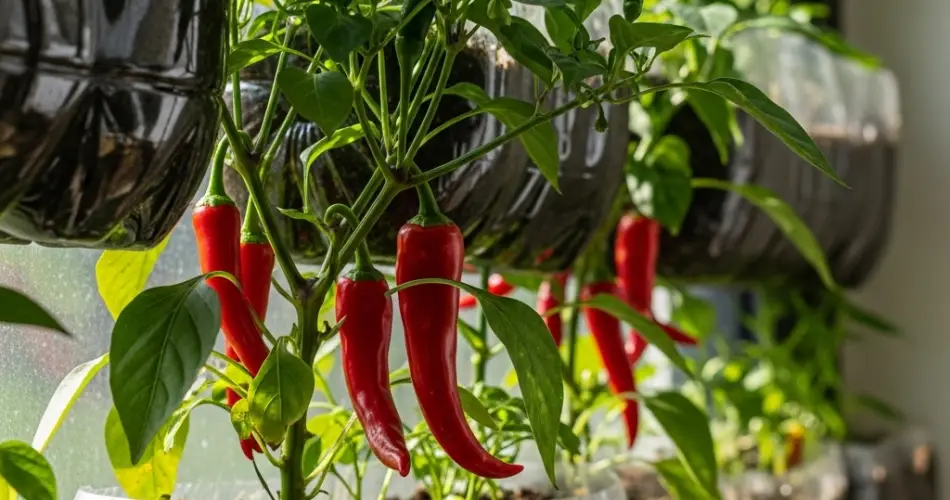
If you’re a fan of spicy food or simply love the idea of growing your own fresh ingredients, cultivating hot chili peppers at home can be incredibly rewarding. Even if you’re working with limited space, you can still grow a productive chili pepper garden using vertical bottle wall gardening. This method turns empty plastic bottles into hanging planters, creating a thriving wall of chili plants ideal for balconies, patios, or small backyard fences.
Chili peppers are not only flavorful and beautiful—with their vibrant red, orange, and green hues—but also well-suited to container gardening. By using recycled bottles and a vertical layout, you can enjoy homegrown heat in a sustainable, space-efficient way.
Why Use a Bottle Wall Garden for Chilies?
Growing hot chili peppers in a vertical bottle garden has multiple advantages:
-
Space-saving: Utilizes vertical surfaces, freeing up floor or ground space.
-
Eco-friendly: Recycles plastic waste into productive garden containers.
-
Better drainage: Reduces risk of root rot and disease.
-
Efficient maintenance: Easier to water, prune, and harvest when plants are elevated.
-
Pest control: Elevation helps deter common ground-dwelling pests.
Whether you’re growing jalapeños, cayenne, or Thai chilies, this method provides an efficient and creative way to cultivate peppers in tight spaces.
What You’ll Need
To build your own bottle wall chili garden, you’ll need:
-
1.5 to 2-liter plastic bottles (washed and label-free)
-
Utility knife or sharp scissors
-
Potting soil
-
Compost or organic fertilizer
-
Chili pepper seeds or seedlings
-
String, wire, or rope
-
Hooks, nails, or screws for mounting
-
Drill or heated metal object for making holes
Make sure the bottles are sturdy enough to hold moist soil and the weight of a growing pepper plant.
Choosing the Right Chili Pepper Varieties
Compact chili varieties are best suited for bottle gardening. Look for types that are both flavorful and manageable in small containers.
Great options include:
-
Cayenne – Slim, fiery peppers ideal for drying and cooking.
-
Jalapeño – Mild to moderate heat with thick-walled fruit.
-
Bird’s Eye (Thai Chili) – Compact, extremely hot, and highly productive.
-
Tabasco – Popular for hot sauce lovers, grows well in containers.
-
Habanero (for advanced growers) – Very spicy, needs warmth and sun.
Choose varieties that suit your climate and spice preference. Most chili plants prefer warm weather and full sunlight.
Preparing the Bottles
-
Clean each bottle thoroughly to remove any residue.
-
Cut a rectangular opening on one side of the bottle, approximately 4–5 inches long and 3 inches wide.
-
Drill or poke drainage holes in the bottom of the bottle to allow excess water to escape.
-
Punch two holes near the neck and base (opposite the planting slit) to thread string or wire for hanging.
Mount the bottles in vertical rows on a sunny wall, using nails, hooks, or a wooden frame for stability. Leave enough space between bottles to allow the plants to grow freely.
Soil and Fertilizer Mix
Chilies need well-draining, fertile soil to produce abundant fruit. A good mix includes:
-
2 parts high-quality potting soil
-
1 part compost or aged manure
-
A handful of perlite or coarse sand for drainage
Mix in a balanced, slow-release fertilizer before planting. During the flowering and fruiting stages, use a liquid fertilizer high in potassium every two weeks for optimal results.
Planting the Chilies
-
Fill each bottle with soil, leaving 1–2 inches at the top.
-
Transplant a seedling into the slit or sow 2–3 seeds if starting from scratch. Thin out the weaker seedlings after they sprout.
-
Water thoroughly, ensuring the soil settles around the roots.
Only one chili plant should be grown per bottle to ensure sufficient nutrients and airflow.
Sunlight and Watering Needs
-
Sunlight: Chili peppers need 6–8 hours of direct sunlight daily. South-facing walls work best.
-
Watering: Keep the soil consistently moist but not soggy. In hot weather, water more frequently to prevent wilting.
-
Mulch: Add a thin layer of mulch or straw inside the bottle to retain moisture and regulate soil temperature.
Overwatering can cause root rot, so make sure drainage holes are working properly.
Support and Care
-
Tie up branches if needed using soft garden twine or strips of cloth.
-
Prune lower leaves to improve airflow and prevent disease.
-
Watch for pests like aphids, whiteflies, or spider mites. Neem oil or insecticidal soap can help manage infestations.
Vertical setups allow for easier monitoring and fast responses to any plant health issues.
Harvesting Hot Chili Peppers
Chilies are usually ready to harvest 60 to 90 days after planting, depending on the variety. The peppers should be firm, brightly colored, and of the desired size.
To harvest:
-
Use scissors or pruning shears to snip off the fruit, leaving a small portion of the stem attached.
-
Frequent harvesting encourages continued blooming and fruiting.
If you want spicier peppers, let them ripen fully on the plant until they turn red or their mature color.
Final Thoughts
Bottle wall gardening for chili peppers is a smart and sustainable way to grow spicy harvests in a small space. Whether you’re on a balcony, porch, or limited backyard, this method offers a compact, low-cost, and visually appealing garden system. With just a few recycled bottles, the right variety of peppers, and some basic care, you can enjoy a steady supply of fresh chilies all season long—right from your own vertical garden wall.


