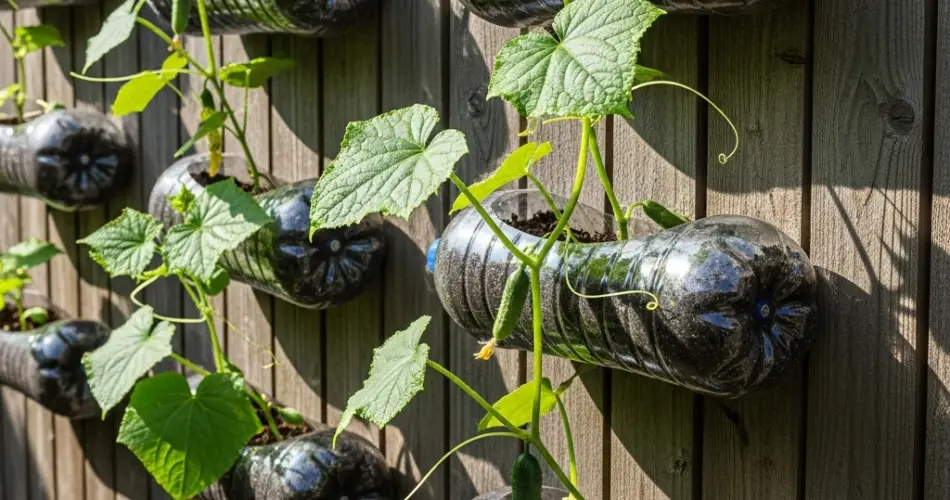
Cucumbers are a favorite vegetable in many gardens due to their refreshing taste and versatility. Starting cucumber seeds early can give you a head start on the growing season, ensuring a bountiful harvest. One innovative and eco-friendly way to achieve early germination is through bottle propagation, which uses recycled plastic bottles as mini-greenhouses to create ideal conditions for seed sprouting.
This guide will walk you through the steps to successfully propagate cucumber seeds in bottles, helping you produce healthy seedlings ready for transplanting.
Why Use Bottle Propagation for Cucumbers?
Bottle propagation offers several advantages:
-
Controlled Environment: The enclosed space maintains humidity and warmth, accelerating seed germination.
-
Visibility: Clear bottles allow you to monitor seed progress closely.
-
Space Efficiency: Bottles are compact and suitable for small indoor spaces.
-
Sustainability: Using recycled bottles reduces waste and promotes green gardening practices.
-
Cost-Effectiveness: Bottles are readily available and free to reuse.
What You’ll Need
-
Clean, empty clear plastic bottles (1 or 2 liters)
-
Sharp scissors or a craft knife
-
High-quality seed-starting mix or light potting soil
-
Cucumber seeds
-
Water spray bottle or watering can
-
Optional: toothpicks or small stakes for support
-
Labels or markers for identifying varieties
Step 1: Preparing the Bottles
Begin by washing your plastic bottles thoroughly to remove any dirt or residue. Remove labels so you can clearly see inside.
Cut the bottle horizontally about one-third from the top, creating two pieces. The bottom part will serve as the planter, while the top part can be inverted to act as a humidity dome.
Make several small drainage holes in the bottom section to ensure excess water can escape and prevent soggy soil. You can also poke a few holes in the upper part for ventilation to regulate airflow and prevent mold.
Step 2: Filling the Bottles
Fill the bottom half of the bottle with a light, well-draining seed-starting mix. Avoid heavy garden soil that may compact and inhibit seedling growth.
Fill the soil to about an inch below the cut edge to leave space for watering and seed planting.
Step 3: Sowing the Seeds
Plant cucumber seeds approximately 1 to 2 centimeters (½ inch) deep in the soil. If planting multiple seeds, space them evenly, but thin later to leave the strongest seedling per bottle.
Gently cover the seeds with soil and press lightly to ensure good contact between seeds and soil.
Step 4: Watering and Creating the Mini Greenhouse
Moisten the soil evenly using a spray bottle or watering can with a fine nozzle. The soil should be damp but not soaked.
Invert the top part of the bottle over the bottom section to create a mini greenhouse. This dome traps moisture and warmth, accelerating germination.
Place the bottle planter in a warm, bright location with indirect sunlight. Cucumbers germinate best at temperatures between 24°C to 30°C (75°F to 85°F).
Step 5: Monitoring and Care
Check soil moisture regularly and mist as needed to maintain humidity without overwatering.
Within 5 to 10 days, cucumber seeds should begin to sprout. Remove the bottle top once seedlings develop their first true leaves to improve airflow and reduce the risk of fungal diseases.
Ensure seedlings receive plenty of light—at least 12 hours per day—to prevent leggy growth. If natural light is insufficient, supplement with grow lights.
Step 6: Transplanting Seedlings
When seedlings have grown to about 7 to 10 centimeters (3 to 4 inches) tall and have several true leaves, they are ready for transplanting.
Carefully remove seedlings from the bottle planters, handling the roots gently to avoid damage. Transplant into larger pots or directly into garden beds with rich, well-draining soil.
Before moving outdoors, harden off seedlings by gradually exposing them to outdoor conditions over a week.
Benefits of Bottle Propagation for Cucumber Seeds
-
Faster Germination: The mini-greenhouse effect speeds up sprouting.
-
Better Seedling Health: Controlled humidity reduces transplant shock.
-
Space Optimization: Ideal for gardeners with limited space.
-
Environmental Impact: Promotes recycling and reduces plastic waste.
-
Cost Savings: Eliminates the need for expensive seed trays or propagation kits.
Tips for Success
-
Use fresh, high-quality seeds for better germination rates.
-
Avoid overwatering to prevent damping-off disease.
-
Rotate bottle planters occasionally to ensure even light exposure.
-
Label each bottle with seed variety and sowing date for tracking.
-
Keep humidity dome in place only until seedlings emerge to prevent fungal growth.
Troubleshooting Common Issues
-
Mold or Fungus: Remove the dome and improve ventilation. Avoid overwatering.
-
Leggy Seedlings: Increase light exposure and reduce humidity slightly.
-
Poor Germination: Check seed quality and ensure soil temperature is adequate.
Conclusion
Bottle propagation is an easy, affordable, and sustainable way to get a jumpstart on growing cucumbers. By creating a warm, humid environment inside recycled plastic bottles, you can encourage faster seed germination and produce strong, healthy seedlings ready for transplanting.
This method not only supports early and successful cucumber growth but also promotes environmentally friendly gardening practices by repurposing plastic waste. Whether you’re a beginner or an experienced gardener, bottle propagation is a smart technique to try for an abundant cucumber harvest.


