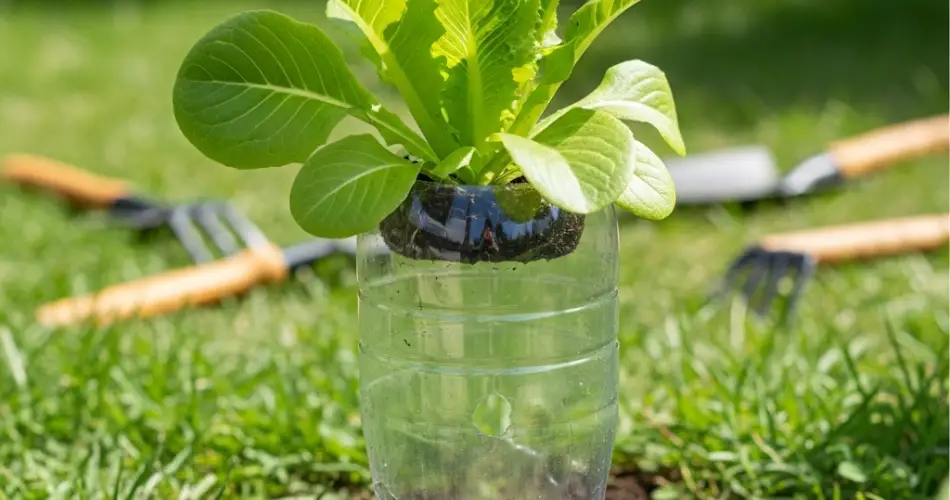
You don’t need a sprawling garden or even a backyard to enjoy fresh, homegrown lettuce. With just a few plastic bottles, some potting mix, and a sunny spot, you can grow crisp, nutritious greens right from your balcony, window, or wall. Growing lettuce in recycled plastic bottles is not only space-saving and budget-friendly, but it also turns everyday waste into something practical and productive.
Why Grow Lettuce in Bottles?
Lettuce is one of the easiest leafy greens to grow, making it perfect for container gardening. When planted in plastic bottles, lettuce thrives due to its shallow root system, compact size, and fast growth cycle. Bottles are readily available, can be hung vertically or placed horizontally, and are easy to manage even in tight urban spaces. This method also encourages recycling and sustainable practices, allowing you to reduce waste while growing your own food.
What You’ll Need
To start your bottle-grown lettuce garden, gather the following materials:
-
Plastic bottles (1.5 to 2-liter size)
-
Sharp scissors or a craft knife
-
Potting soil or a compost-rich growing mix
-
Lettuce seeds (loose-leaf varieties are best for containers)
-
Watering can or spray bottle
-
String or wire (if hanging vertically)
-
Small hand trowel (optional)
Choose bottles that are clear or lightly colored, so you can monitor soil moisture. Wash them thoroughly and remove any labels to allow better light exposure if needed.
Preparing the Bottles
There are two common ways to prepare bottles for planting: horizontal and vertical.
Horizontal Setup:
-
Lay the bottle on its side and cut out a large rectangular window from the top, leaving enough space on the sides to retain strength.
-
Poke a few drainage holes on the bottom side.
-
Fill the bottle with potting mix, leaving about an inch from the top.
-
Sow lettuce seeds about 1/4 inch deep, then lightly cover with soil and water gently.
Vertical Hanging Setup:
-
Cut the bottle near the middle, creating an upper and lower part.
-
Invert the top part into the bottom to act as a reservoir, or hang the bottle upright with a small hole near the bottom for drainage.
-
Puncture holes for string or wire support if you plan to hang them.
-
Fill the upper portion with soil and sow your seeds.
Both setups work well; choose based on your available space and aesthetic preference.
Choosing the Right Lettuce
Loose-leaf varieties like ‘Black Seeded Simpson’, ‘Lollo Rosso’, or ‘Green Salad Bowl’ are ideal for bottle planting. These types allow repeated harvesting through the “cut-and-come-again” method and don’t require much depth or spacing.
Germination and Early Care
After sowing, place your bottles in a warm, well-lit area that receives at least 4–6 hours of sunlight daily. Water gently to keep the soil moist but not soggy. Seeds typically germinate in 5–10 days. Once seedlings appear, thin them out, leaving 2–3 inches between each plant to allow proper air circulation and growth.
Use a diluted organic liquid fertilizer once every two weeks to boost healthy leaf production. Keep an eye on moisture levels, especially for hanging bottles which dry out faster.
Maintenance and Pest Prevention
Plastic bottles are naturally resistant to many ground pests. However, you should still inspect your plants regularly for aphids or fungal growth. If needed, apply neem oil spray or gently rinse pests off with water.
Rotate or reposition your bottles if plants are leaning toward light. Regularly check the drainage to avoid root rot. Trimming overgrown or wilting leaves will keep the plant healthy and productive.
Harvesting Your Lettuce
You can begin harvesting lettuce leaves about 3–4 weeks after planting for baby greens, or after 6 weeks for fuller, mature leaves. Use clean scissors to snip the outer leaves, allowing the center to continue growing. With proper care, each plant can provide multiple harvests.
For head varieties, wait until the plant forms a compact head, then cut it at the base for a single full harvest. This approach is best when planning to refresh the container and replant.
Replanting and Rotating
After your lettuce completes its cycle, empty and clean the bottle, then refill with fresh potting mix. You can rotate with other leafy greens like spinach or arugula to maintain diversity. Always enrich the soil before replanting to ensure nutrients are replenished.
Growing lettuce in plastic bottles proves that you don’t need a garden to enjoy homegrown greens. Whether you hang them by the window, line them along a balcony, or attach them to a fence, these compact planters offer fresh produce at your fingertips. With minimal investment and a bit of care, you can turn everyday materials into a flourishing food source—all without stepping out of your home.


