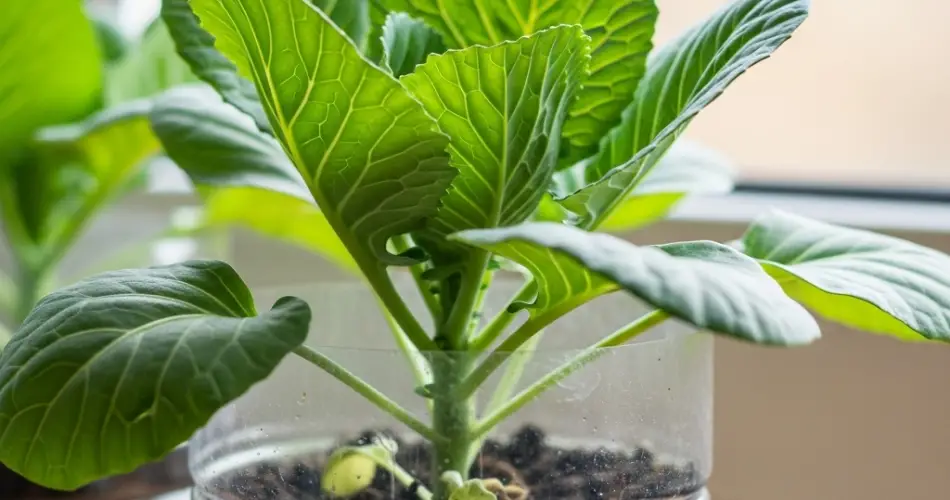
Urban gardening is gaining popularity as more people look for ways to grow fresh vegetables in small spaces. Among the many crops you can grow at home, cabbage is an excellent choice for container gardening—especially in recycled plastic bottles. Bottle gardening offers a compact, affordable, and sustainable method for cultivating cabbage on balconies, patios, windowsills, or small outdoor areas.
With the right setup and basic care, you can successfully grow your own cabbage without the need for a large garden plot. This method is perfect for beginners and seasoned gardeners alike who want to make the most of their limited space.
Why Grow Cabbage in Bottles?
Cabbage is a hardy and nutritious leafy vegetable that doesn’t require deep soil, making it ideal for container cultivation. Growing it in plastic bottles helps reduce waste while providing a practical way to raise food at home. Reusing plastic bottles not only minimizes environmental impact but also keeps gardening low-cost and accessible.
In a bottle garden, you have better control over soil quality, moisture, and pests. You can also move the containers to ensure optimal sunlight and avoid harsh weather. This flexibility makes bottle-grown cabbage a smart option for urban environments.
Materials Needed
To get started, you’ll need:
-
One 5-liter plastic bottle (a 1.5 or 2-liter bottle can work for mini cabbage varieties)
-
Scissors or a utility knife
-
High-quality potting mix rich in compost
-
Cabbage seeds or seedlings (compact or dwarf varieties are ideal)
-
Water
-
A tray or shallow dish to place underneath the bottle
Preparing the Bottle
-
Clean the Bottle: Wash the plastic bottle thoroughly to remove any residue, then let it dry.
-
Cut the Bottle: Cut off the top third of the bottle to create a wide opening for planting. You can also cut a rectangular flap on one side if you prefer a side-access planter.
-
Create Drainage: Poke 5–6 small holes at the bottom of the bottle using a knife or heated nail. Good drainage prevents waterlogging and root rot.
-
Set Up the Base: Place the bottle on a shallow tray or container to catch excess water. This keeps your growing area clean and allows for easy transport.
Choosing the Right Variety
For best results, choose a cabbage variety that is suited for container gardening. Look for small-headed or compact types such as:
-
Mini Cabbage
-
Baby Cabbage
-
Savoy King
-
Golden Acre
These varieties mature faster and require less root space, making them ideal for growing in plastic bottles.
Planting the Cabbage
-
Fill the Bottle with Soil: Add your potting mix to the bottle, leaving about 3–5 cm from the top. The soil should be rich in organic matter and well-draining.
-
Plant the Seed or Seedling:
-
If planting from seed, make a small hole about 1 cm deep, drop in the seed, and cover lightly with soil.
-
If using a seedling, dig a small hole in the center and carefully place the root ball into the soil. Gently firm the soil around the base.
-
-
Water Gently: After planting, water the soil lightly until it is evenly moist. Be sure not to overwater, especially in the early stages.
Growing Conditions
-
Sunlight: Place the bottle in a sunny location where it will receive 6–8 hours of direct sunlight daily. Cabbage thrives in full sun and cool temperatures.
-
Watering: Keep the soil consistently moist but not soggy. Water when the top layer of soil feels dry. During hot weather, you may need to water more frequently.
-
Feeding: Feed your cabbage plant every 2–3 weeks with compost tea or a balanced organic fertilizer. This helps encourage leafy growth and head formation.
-
Pest Control: Monitor for pests such as aphids or cabbage worms. Use a mild soap spray or neem oil if needed, and remove any damaged or yellowing leaves regularly.
Maintenance and Care
-
Thinning (if grown from seed): Once seedlings develop a few true leaves, thin them to leave only the strongest plant in the container.
-
Support: If the cabbage head becomes heavy, you may need to provide support using a small stick or garden tie.
-
Pruning: Remove lower leaves as the plant matures to allow more airflow and prevent disease.
Harvesting
Cabbage is typically ready to harvest 70–90 days after planting, depending on the variety. The head should feel firm and tight. Use a sharp knife to cut the head off at the base, leaving a few outer leaves attached to protect the inner leaves.
After harvesting, remove the old root and refresh the soil if you plan to plant another round of cabbage in the same bottle.
Benefits of Bottle-Grown Cabbage
-
Space-saving: Great for apartments, balconies, and limited garden spaces.
-
Low-cost: Reuses plastic waste and avoids buying large pots or garden beds.
-
Eco-friendly: Promotes sustainable living by recycling and reducing waste.
-
Customizable: Easy to move, water, and manage.
-
Healthy harvest: Enjoy fresh, chemical-free cabbage grown right at home.
Bottle gardening is a creative and efficient way to grow your own food in even the smallest of spaces. With just a recycled plastic bottle and a little care, you can harvest your own crisp, healthy cabbage—proof that gardening doesn’t require a yard, just a bit of innovation.


