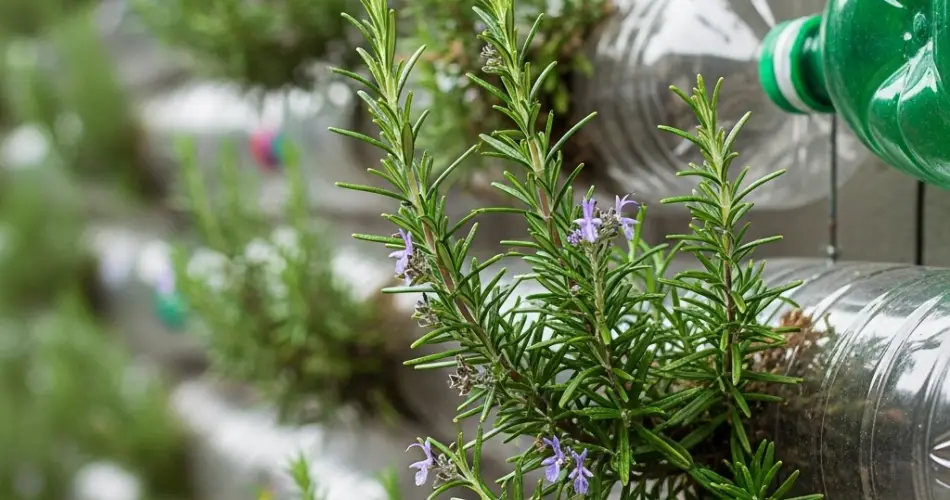
Woody herbs like rosemary are treasured in the kitchen for their bold flavors and aroma. With upright growth and sturdy stems, rosemary is particularly well-suited to small-space gardening and vertical arrangements. Creating a bottle garden wall for rosemary allows you to grow this Mediterranean favorite even if you don’t have a traditional garden. Plus, by reusing plastic bottles, you’ll reduce waste while enjoying fresh herbs right outside your window or on your balcony.
This DIY project is both practical and eco-friendly, offering a space-saving way to grow rosemary and other woody herbs. Whether you live in an apartment, have a narrow balcony, or want a convenient vertical herb wall near your kitchen, this method is a smart solution.
Why Choose Rosemary for a Bottle Garden Wall?
Rosemary is a tough, drought-resistant herb that thrives in containers. It has a woody base and needle-like leaves that remain evergreen in warm climates. Here’s why it’s ideal for a bottle wall garden:
-
Compact and vertical growth
-
Low water and maintenance needs
-
Highly fragrant and flavorful
-
Visually attractive with year-round greenery
A bottle wall garden helps keep rosemary elevated and exposed to good airflow and sunlight—two things it loves.
Supplies You’ll Need
To build your rosemary bottle garden wall, collect the following items:
-
Clean 1.5L or 2L plastic bottles (one for each plant)
-
Sharp scissors or utility knife
-
A nail or drill for drainage and mounting holes
-
Strong twine, wire, or zip ties
-
Hooks, nails, or a support frame
-
Lightweight, well-draining potting mix
-
Small rosemary plants or stem cuttings
-
Optional: charcoal or gravel for better drainage
This setup can be adapted to balconies, sunny walls, fences, or even indoor areas with sufficient sunlight.
Preparing the Plastic Bottles
-
Cut a planting window: Lay the bottle on its side and cut a rectangular window on one side. This will be the access point for planting and watering.
-
Create drainage holes: Drill or poke 4–5 holes in the bottom of each bottle to allow water to drain out.
-
Add hanging holes: Make two holes at each end of the bottle, near the top, for threading wire or twine for hanging.
-
Insert drainage material: Add a thin layer of pebbles or charcoal at the bottom to improve drainage and prevent soggy roots.
-
Fill with soil: Use a loose, fast-draining soil mix suitable for Mediterranean herbs, and leave about 1 inch at the top for watering space.
Best Soil for Rosemary
Rosemary doesn’t tolerate soggy or heavy soils. It thrives in light, gritty, and well-draining soil that mimics its native habitat.
Mix suggestion:
-
2 parts cactus or potting mix
-
1 part perlite or coarse sand
-
Optional: small handful of lime to increase alkalinity
Aim for a pH between 6.5 and 7.5. Avoid rich, moisture-retentive soil blends, which can encourage root rot.
Planting Rosemary
It’s easiest to use young rosemary plants or rooted cuttings rather than starting from seed, as rosemary is slow to germinate.
-
Place the plant into the soil opening, making sure the root ball is settled.
-
Gently firm the soil around the base.
-
Water lightly to help the soil settle.
Position your vertical garden where it will receive at least 6 to 8 hours of full sunlight daily. Rosemary thrives with abundant light and good airflow.
Assembling the Bottle Wall Garden
There are a few creative ways to display your vertical bottle planters:
-
Vertical stacking: Thread twine or wire through each side of the bottles and hang them vertically from a hook, beam, or rod.
-
Wall-mounted: Attach bottles to a wooden pallet, metal grid, or fence using zip ties or clips.
-
Balcony railing: Line up the bottles horizontally along a railing for easy access.
Leave at least 8–10 inches between bottles to give each plant space and light. Secure all bottles tightly so they don’t shift when watering or during windy conditions.
Watering and Feeding
Rosemary prefers dry conditions and suffers from overwatering. Here’s how to keep it healthy:
-
Water only when the top 1–2 inches of soil are dry.
-
Ensure that all containers drain freely.
-
In cooler months, reduce watering even more.
As for feeding, rosemary doesn’t require much fertilizer. A light application of liquid organic fertilizer every 4–6 weeks during the growing season is enough. Avoid over-fertilizing—it can make the plant leggy and reduce flavor.
Pruning and Harvesting
Regular pruning helps rosemary maintain a compact shape and stimulates new growth.
-
Begin trimming when the plant is about 6–8 inches tall.
-
Harvest by snipping sprigs with scissors or pruning shears, just above a pair of leaves.
-
Avoid cutting into the woody stems too harshly—focus on green, flexible growth.
Frequent harvesting keeps the plant bushy and productive. You can dry excess rosemary or freeze it for year-round use.
Common Issues and Solutions
-
Root rot: Often caused by poor drainage or overwatering. Ensure bottles have adequate drainage holes.
-
Pale or leggy growth: Typically due to low light. Move to a sunnier location.
-
Powdery mildew: Improve airflow by spacing bottles out and avoiding overhead watering.
Generally, rosemary is pest- and disease-resistant if grown in the right conditions.
Final Thoughts
Building a bottle garden wall for rosemary is a creative and functional way to grow herbs in tight spaces. It’s ideal for urban gardeners, sustainability enthusiasts, or anyone looking to reuse materials and cultivate fresh herbs at home. With minimal maintenance and a little sun, your vertical rosemary garden will thrive—bringing bold flavor and greenery into your space, one bottle at a time.


