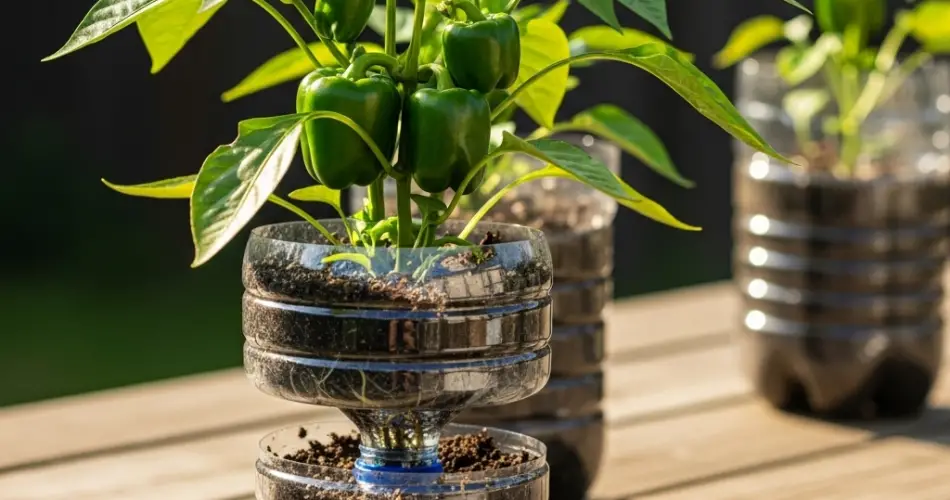
Pepper seeds are known to be somewhat slow and tricky to germinate, often requiring warm, moist conditions to sprout successfully. For gardeners looking to increase their pepper seed germination rates and produce robust seedlings, using bottle domes as mini-greenhouses is an excellent and cost-effective method. This simple technique leverages recycled plastic bottles to create a controlled environment that retains humidity and warmth, accelerating germination and improving seedling health. Here’s how to use bottle domes to boost your pepper germination rates effectively.
Why Use Bottle Domes for Pepper Seeds?
Peppers need consistent warmth and moisture to germinate well. Traditional seed-starting methods can sometimes fail to maintain ideal conditions, especially in cooler climates or indoors without specialized equipment. Bottle domes help overcome these challenges by:
-
Maintaining High Humidity: This prevents the seed-starting mix from drying out, which is crucial for seed germination.
-
Retaining Heat: Warmth speeds up germination and promotes stronger seedling growth.
-
Providing Protection: Domes shield seeds and seedlings from drafts, pests, and fluctuations in temperature.
-
Encouraging Sustainability: Reusing plastic bottles reduces environmental waste while serving a practical gardening purpose.
Materials Needed
-
Clear plastic bottles (1 to 2 liters)
-
Sharp scissors or utility knife
-
Seed-starting mix or light potting soil
-
Pepper seeds
-
Spray bottle for watering
Preparing Your Bottle Domes
-
Select Bottles: Choose clean, transparent plastic bottles to maximize light penetration.
-
Cut the Bottles: Cut each bottle horizontally about two-thirds from the bottom. The bottom portion acts as a seedling container, while the top will be inverted and used as a dome.
-
Create Drainage Holes: Poke small holes in the bottom of the planter section to prevent waterlogging and allow excess water to escape.
-
Ventilation: Keep the bottle cap off or punch a small hole in it to allow fresh air circulation, reducing mold risks while keeping humidity.
Preparing the Seed-Starting Mix
Pepper seeds thrive in a light, well-draining soil medium. Use a seed-starting mix or fine potting soil that retains moisture without becoming soggy.
-
Moisten the soil lightly before filling the planter portion of your bottle. The soil should be damp but not wet.
-
Fill the bottle planter, leaving some space at the top for watering and airflow.
Sowing Pepper Seeds
Because pepper seeds are small and sensitive, plant them carefully:
-
Sow seeds about ¼ inch deep into the soil.
-
Space seeds approximately 1 to 2 inches apart to prevent overcrowding and allow for healthy seedling development.
-
Water gently using a spray bottle to avoid disturbing the seeds.
-
Cover the planter with the inverted bottle top to create your dome, trapping warmth and humidity.
Optimal Conditions for Germination
Pepper seeds generally require 7 to 21 days to germinate under ideal conditions. To maximize germination rates:
-
Temperature: Maintain a warm environment between 70°F and 85°F (21°C to 29°C). Using a heat mat underneath the bottle planter can help maintain consistent warmth.
-
Light: While seeds don’t need light to germinate, once sprouts emerge, provide 12 to 16 hours of bright, indirect light daily to prevent weak, leggy seedlings.
-
Humidity: The bottle dome traps moisture, keeping the soil surface consistently damp. Open the dome briefly once a day to allow fresh air and reduce fungal growth.
-
Moisture: Monitor soil moisture daily and mist as needed to keep it from drying out.
Caring for Seedlings Under the Bottle Dome
Once seeds germinate and seedlings appear:
-
Gradually increase ventilation by removing or propping open the bottle dome for longer periods each day to help seedlings acclimate to ambient conditions.
-
Water carefully to maintain moist soil without overwatering.
-
Thin seedlings by snipping weaker ones at soil level to allow enough space for strong seedlings to grow—spacing of about 2 to 3 inches is ideal.
Transplanting Pepper Seedlings
When seedlings develop two to three sets of true leaves and appear sturdy (usually 6 to 8 weeks after sowing), they are ready for transplanting.
-
Hardening Off: Gradually expose seedlings to outdoor conditions over 5 to 7 days before planting outside to reduce transplant shock.
-
Planting Site: Choose a sunny location with fertile, well-draining soil or plant seedlings into larger containers with quality potting mix.
-
Planting Depth: Transplant seedlings at the same soil depth they were growing in the bottle planter.
-
Watering: Water well after transplanting and maintain consistent moisture as seedlings establish.
Troubleshooting Common Issues
-
Damping-Off: A fungal disease that causes seedlings to wilt and die. Prevent it by ensuring good ventilation, avoiding overwatering, and using sterilized soil.
-
Leggy Seedlings: Insufficient light causes tall, thin seedlings. Increase light intensity or duration to keep seedlings compact and strong.
-
Poor Germination: May result from old seeds, incorrect planting depth, or inconsistent temperature. Use fresh seeds and maintain steady conditions.
Benefits of the Bottle Dome Method
-
A simple, affordable, and environmentally friendly seed-starting technique.
-
Creates an ideal microclimate for pepper seeds to germinate quickly and uniformly.
-
Protects young seedlings while saving space indoors.
-
Makes it easy to monitor and control moisture and temperature.
Final Thoughts
Using bottle domes to boost pepper seed germination is an accessible and effective method for gardeners looking to improve their success rates. This DIY mini-greenhouse creates the warmth and humidity pepper seeds need to sprout quickly and develop into strong seedlings ready for transplanting. With some patience and attentive care, the bottle dome method will help you grow healthy pepper plants, setting the stage for a fruitful harvest in your garden or containers.


