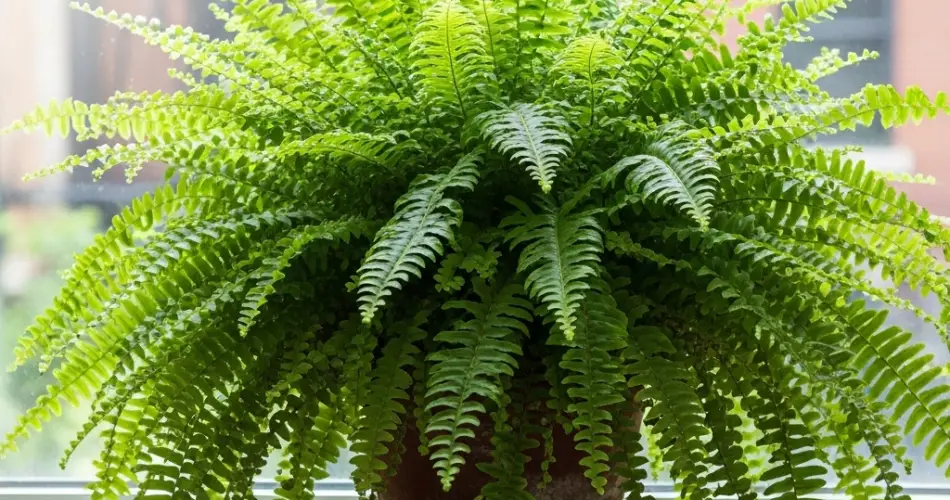
Boston ferns (Nephrolepis exaltata) are classic indoor and outdoor plants admired for their lush, arching fronds and timeless charm. Whether hung in baskets, displayed on plant stands, or used to soften corners of a room, they add a graceful, tropical feel to any setting. While Boston ferns are not particularly difficult to grow, they do have specific preferences when it comes to lighting. Getting the light conditions right is key to keeping their fronds vibrant, full, and healthy.
This guide will walk you through the ideal lighting requirements for Boston ferns, how to avoid common mistakes, and simple tips to ensure they thrive year-round.
Natural Habitat and Light Preferences
Boston ferns trace their origins to tropical and subtropical regions, where they grow beneath tree canopies and thrive in humid forests. In these environments, they receive filtered or dappled sunlight, not the direct rays of the sun. This explains why, indoors, Boston ferns prefer bright, indirect light rather than strong, direct exposure.
By recreating their natural conditions, you can keep your fern looking lush and avoid stress that may cause fronds to turn brown or drop.
How Much Light Does a Boston Fern Need?
Boston ferns need about 4–6 hours of bright, indirect light per day to thrive. This does not mean they require direct sun; in fact, strong rays can harm their delicate fronds. Instead, place them in well-lit rooms where sunlight is softened or filtered.
They are more tolerant of lower light than many other houseplants but will not flourish in deep shade. Too little light often results in sparse growth and dull fronds.
Best Indoor Spots for Boston Ferns
Finding the right location indoors makes all the difference. Here are some ideal placements:
-
Near north- or east-facing windows: These windows provide soft, indirect light that Boston ferns love.
-
A few feet back from south- or west-facing windows: These windows may provide too much direct sun, so use sheer curtains or move the plant farther into the room to diffuse harsh rays.
-
Bright bathrooms: If you have a window in your bathroom, it can be a perfect spot since Boston ferns also enjoy humidity along with filtered light.
If your home is naturally darker, consider using a grow light to supplement their needs.
Outdoor Lighting for Boston Ferns
Outdoors, Boston ferns do best in shaded or partially shaded areas. They thrive under porches, patios, or tree canopies where they receive plenty of brightness without being exposed to harsh midday sun. Morning sun and dappled afternoon light are fine, but prolonged direct exposure—especially in hot climates—can scorch the fronds.
In cooler regions, Boston ferns can handle more outdoor light but should still be protected from intense rays.
Can Boston Ferns Tolerate Low Light?
Boston ferns can survive in low light conditions, but they won’t grow as vigorously. In dim environments, fronds may become thin, and the overall plant may look less full. If your fern is in a low-light spot, rotating it into brighter conditions occasionally or using artificial light can help keep it healthy.
Signs of Improper Lighting
Boston ferns are sensitive and will let you know if their lighting conditions aren’t right. Watch for these common signs:
-
Too much light: Fronds turn yellow or brown, especially on the tips or edges.
-
Too little light: Sparse or leggy growth, pale fronds, and fewer new shoots.
-
Ideal light: Full, vibrant green fronds with consistent growth and no scorching.
Adjusting placement when you notice these changes can quickly bring your fern back to good health.
Using Artificial Light for Boston Ferns
If you don’t have enough natural light, artificial grow lights are an excellent option. Fluorescent or LED lights placed about 12–18 inches above the plant provide the right spectrum for photosynthesis. Keep them on for 10–12 hours daily to supplement low natural light, especially in winter.
Seasonal Adjustments
Lighting needs change throughout the year. In summer, stronger sunlight may require moving Boston ferns farther from windows or adding sheer curtains. In winter, shorter days and weaker light may mean moving them closer to a window or increasing artificial light exposure.
Seasonal adjustments help maintain the right balance and keep the fern thriving year-round.
Extra Tips for Light Management
To get the most from your Boston fern’s lighting setup, pair it with these care practices:
-
Rotate the plant: Turning the pot every week ensures even growth on all sides.
-
Clean the fronds: Dust can block light absorption, so gently wipe or rinse leaves.
-
Pair light with humidity: Since Boston ferns thrive in humid conditions, misting the leaves or using a humidifier near their light spot creates the perfect balance.
-
Adjust watering to light: Plants in brighter spots may dry out faster and need more frequent watering.
Conclusion
Boston ferns are stunning houseplants that reward the right care with lush, arching fronds. Their ideal lighting conditions mimic the dappled sunlight of their natural forest habitat—bright, indirect light rather than harsh direct rays. They tolerate lower light but grow best with a steady balance of filtered brightness. By placing them near the right window, supplementing with artificial light when needed, and making small seasonal adjustments, you can keep your Boston fern healthy, vibrant, and thriving throughout the year.


