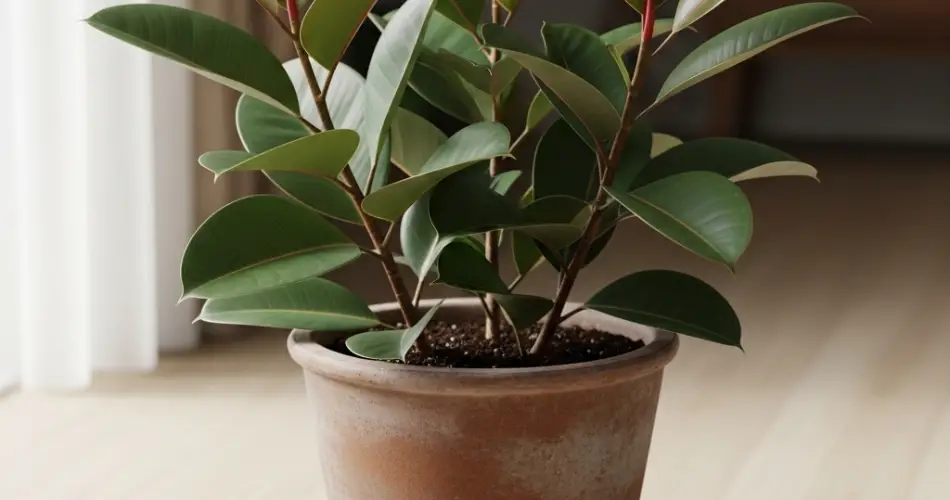
The rubber plant (Ficus elastica) has earned its place as one of the most beloved indoor plants. With its large, glossy leaves and ability to adapt to different environments, it adds a bold and elegant touch to any space. While the plant is generally hardy, it thrives best when given consistent and thoughtful care. By practicing a few simple habits, you can keep your rubber plant healthy, vibrant, and long-living.
This guide covers the essential care practices that will boost your rubber plant’s growth and help prevent common issues such as leaf drop, yellowing, or stunted development.
Provide the Right Light Conditions
Light plays a crucial role in the health of a rubber plant. These plants do best in bright, indirect sunlight. A spot near a north- or east-facing window is often ideal. If placed in low light, the plant may survive but will grow more slowly, and its leaves may lose some of their luster. On the other hand, direct harsh sunlight can scorch the leaves, leaving unattractive brown patches.
If your home doesn’t provide enough natural light, consider using a grow light to supplement. This will ensure steady growth, especially during shorter winter days.
Establish a Smart Watering Routine
Overwatering is one of the most common mistakes plant owners make with rubber plants. Their thick roots are prone to rot when left in soggy soil. To avoid this, follow a “dry-down” method: water only when the top two inches of soil feel dry to the touch.
During the growing season in spring and summer, the plant will need more frequent watering. In the cooler months, when growth slows, reduce watering to prevent excessive moisture. Always use pots with drainage holes, and discard any water that collects in saucers to protect the roots.
Choose the Right Soil Mix
Rubber plants thrive in well-draining, aerated soil. A standard houseplant potting mix works well when amended with perlite or coarse sand to improve drainage. Some plant owners also add a bit of coconut coir or peat moss to help retain just enough moisture without making the soil dense.
Healthy roots are the foundation of a strong plant, and the right soil ensures they receive adequate oxygen while avoiding waterlogging.
Maintain Ideal Temperature and Humidity
Rubber plants prefer a stable indoor environment. The ideal temperature range is 65–80°F (18–27°C). They are sensitive to cold drafts, so avoid placing them near air conditioning vents, frequently opened doors, or chilly windowsills in winter.
While they tolerate average indoor humidity, they appreciate slightly higher levels. If the air in your home is very dry, especially in winter, you can boost humidity by placing a tray of water with pebbles near the plant or using a humidifier.
Feed Your Plant Regularly
During its active growing season (spring and summer), a rubber plant benefits from regular feeding. Use a balanced liquid houseplant fertilizer every four to six weeks. This provides essential nutrients for producing lush, glossy foliage.
Pause fertilization during the fall and winter months, when the plant naturally slows down its growth. Over-fertilizing during this time can stress the roots.
Prune to Shape and Encourage Growth
Pruning is not just about controlling the size of your rubber plant—it also improves its overall health. Removing leggy growth encourages a bushier form, while trimming damaged or yellowing leaves helps the plant direct energy to healthier areas.
Use clean, sharp shears when pruning, and wear gloves to avoid contact with the plant’s latex sap, which can be irritating to the skin. Pruning is best done in spring or early summer when the plant is actively growing.
Keep the Leaves Clean
Dust tends to settle on the large leaves of a rubber plant, blocking light absorption and reducing its ability to photosynthesize efficiently. Wipe the leaves gently with a damp cloth every few weeks. Not only does this keep the plant looking attractive, but it also improves its overall health.
Avoid using commercial leaf-shine sprays, as they can clog pores on the leaves. A simple wipe with water is enough.
Repot When Necessary
Rubber plants do not need frequent repotting, but they should be repotted every two to three years or when roots start circling the inside of the pot. Choose a container one size larger, refresh the soil, and handle the roots carefully to minimize stress.
Repotting provides the plant with fresh nutrients and more space for root development, ensuring steady growth.
Watch for Common Problems
Even with good care, rubber plants may occasionally face issues. Yellowing leaves often point to overwatering, while drooping leaves may signal that the soil has dried out too much. If you notice sticky residue on leaves, check for pests like scale or mealybugs.
Address problems quickly by adjusting care routines or treating pests with natural solutions like neem oil or insecticidal soap.
Final Thoughts
Caring for a rubber plant doesn’t need to be complicated. With the right balance of light, water, soil, and attention, this resilient houseplant will reward you with vibrant foliage and steady growth for years to come. By developing simple care habits—such as wiping leaves, watering wisely, and pruning strategically—you’ll create the ideal environment for your rubber plant to thrive.
A little consistency goes a long way in ensuring your rubber plant remains a bold and healthy centerpiece in your home.