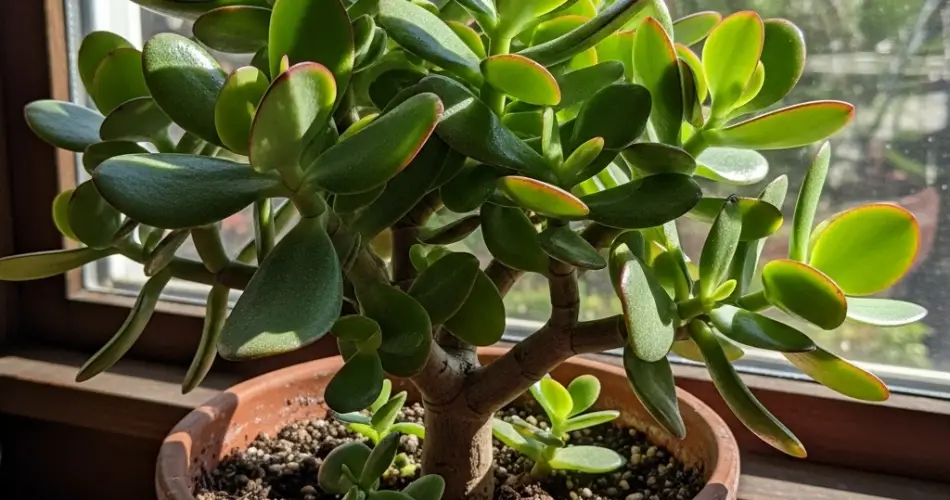
Jade plants (Crassula ovata) are among the most cherished houseplants, often associated with prosperity, friendship, and longevity. With their thick, glossy leaves and tree-like growth, they can thrive for decades when cared for properly. While light, water, and pruning are all important aspects of jade plant care, one factor that often determines how long and healthy a jade plant lives is the container in which it grows. Choosing the right pot, providing proper soil, and maintaining an effective container environment will set the foundation for a jade plant that can flourish for years to come.
Choosing the Right Container Material
The type of container you select for a jade plant influences its overall health. These succulents are prone to root rot if soil stays wet for too long, so the material of the pot plays a crucial role.
-
Terracotta or clay pots are the top choice for jade plants. These materials are porous, allowing excess moisture to evaporate more quickly, which helps keep the soil drier. This mimics the natural arid conditions that jade plants prefer.
-
Ceramic pots with drainage holes also work well, though they retain slightly more moisture than terracotta. If using a glazed ceramic container, pay extra attention to watering.
-
Plastic pots are lightweight and affordable, but they trap more moisture. If using plastic, make sure the soil mix is extra gritty and drains quickly.
Drainage Is Non-Negotiable
A jade plant must never sit in soggy soil, as its fleshy roots are highly sensitive to rot. The most important feature of any container is a drainage hole at the bottom. Without one, water can pool at the base of the pot, suffocating the roots and leading to disease.
If you fall in love with a decorative pot without a drainage hole, use it as a cachepot. Place a smaller pot with proper drainage inside it, and remove the inner pot when watering to let excess water drain freely. This simple trick protects your plant while still allowing you to enjoy beautiful containers.
Finding the Right Pot Size
The size of the container matters as much as the material. A pot that is too large retains too much moisture, while one that is too small may crowd the roots and limit growth.
-
Start small: For young jade plants, choose a container that is only slightly larger than the root ball. This helps prevent overwatering and ensures the roots can absorb moisture efficiently.
-
Scale up gradually: As the jade grows, repot every 2–3 years into a container that is just one size larger. Avoid jumping to an oversized pot, as the extra soil will hold water and increase the risk of rot.
-
Stability matters: Mature jade plants can become top-heavy due to their woody stems and thick leaves. Heavier containers, such as terracotta or stone, provide stability and prevent tipping.
Soil and Container Partnership
A well-chosen container works best when paired with the right soil. Jade plants thrive in succulent or cactus potting mix, which drains quickly and prevents water from clinging to the roots. For even better results, you can create your own blend by mixing regular potting soil with coarse sand, pumice, or perlite. This ensures the container and soil work together to provide the ideal environment.
Repotting for Longevity
While jade plants do not require frequent repotting, refreshing the soil every few years is essential. Over time, soil breaks down and compacts, reducing its ability to drain properly. Repotting allows you to replenish nutrients, inspect root health, and give your jade plant a fresh start.
-
Best time to repot: Spring or early summer, when the plant is actively growing.
-
Inspect roots carefully: Remove any mushy or blackened roots, as these are signs of rot. Healthy roots should appear firm and white.
-
Minimal disturbance: Jade plants dislike excessive root disturbance, so avoid over-pruning the root system during repotting.
Container Placement and Environment
The container not only holds the plant but also influences how it fits into your home environment. Place jade plants in a location where they receive bright, indirect light for at least 4–6 hours a day. Containers near south- or west-facing windows often provide ideal conditions.
Since jade plants are drought-tolerant, containers placed outdoors during warm months can handle more direct sun, provided the soil dries out well. When bringing plants indoors for cooler seasons, ensure containers are not placed directly on cold floors or near drafty windows, as this can stress the roots.
Decorative and Practical Considerations
While functionality is most important, there is no reason to compromise on style. Jade plants pair beautifully with rustic terracotta pots, modern ceramic planters, or minimalist stone containers. The key is to balance design with practicality—always ensuring proper drainage and an appropriate size. Adding a saucer under the container helps protect indoor surfaces from water damage, but remember to empty it after each watering.
Final Thoughts
A jade plant’s longevity depends not just on sunlight and watering, but also on the environment created by its container. The right pot provides balance, stability, and proper drainage, helping the plant thrive for decades. By choosing terracotta or ceramic pots with drainage holes, scaling up container size gradually, pairing the pot with well-draining soil, and refreshing the setup every few years, you give your jade plant the foundation it needs for long life.
With thoughtful container choices, your jade plant can become more than just a houseplant—it can grow into a lasting symbol of resilience and prosperity, passed down through generations.


