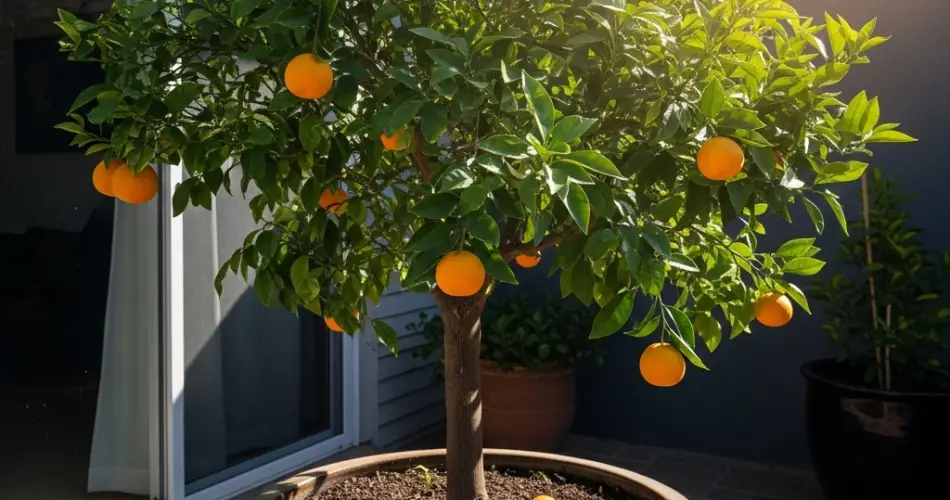
Orange trees are a rewarding addition to any garden or orchard, offering fragrant blossoms and sweet, juicy fruit. But sometimes, despite watering and fertilizing, growth may slow, leaves may yellow, or the fruit may not develop as expected. The good news is there’s a simple and natural trick that can help your orange tree grow faster, stronger, and more productive—using banana peels.
Yes, banana peels—the kitchen scraps you usually toss in the bin—can be an incredibly effective growth booster for citrus trees like oranges. Packed with essential nutrients, they offer a sustainable and organic alternative to chemical fertilizers.
Here’s how banana peels can supercharge your orange tree growth and exactly how to use them for best results.
Why Banana Peels Are Great for Orange Trees
Banana peels are rich in potassium, phosphorus, magnesium, and calcium—all crucial for fruiting and overall plant health. Unlike synthetic fertilizers, these nutrients are released slowly and naturally into the soil, feeding the tree over time.
Let’s break down the benefits:
-
Potassium: Promotes strong root systems, improves disease resistance, and enhances fruit development.
-
Phosphorus: Vital for flower formation and fruit set, helping orange trees bloom abundantly.
-
Calcium: Strengthens cell walls, aiding in healthy leaf and fruit growth.
-
Magnesium: Supports chlorophyll production, ensuring lush green foliage and efficient photosynthesis.
These nutrients complement the nitrogen from other organic materials, making banana peels a well-rounded addition to your citrus care routine.
How to Use Banana Peels to Boost Orange Tree Growth
There are several easy and effective ways to apply banana peels to your orange tree. Choose one based on your gardening style and convenience.
1. Direct Burial
The simplest method is to bury banana peels directly in the soil around your orange tree.
How to do it:
-
Chop the peel into small pieces for faster decomposition.
-
Dig small holes (2–3 inches deep) in a circle around the tree’s drip line (not too close to the trunk).
-
Drop the pieces in and cover with soil.
As the peels decompose, they gradually release nutrients into the root zone.
2. Banana Peel Compost
You can also add banana peels to your compost bin. Combined with other kitchen and garden waste, they break down to form nutrient-rich compost that can be applied around your orange tree.
Tip:
Avoid adding too many banana peels at once, as they can clump and slow decomposition. Balance them with carbon-rich materials like dry leaves or shredded newspaper.
3. Banana Peel Fertilizer Tea
Make a liquid feed by steeping banana peels in water.
How to make it:
-
Place 2–3 chopped banana peels in a bucket of water (around 1 gallon).
-
Let it sit for 2–3 days, stirring occasionally.
-
Strain and pour the liquid at the base of the orange tree.
This banana tea delivers a quick nutrient boost, especially during flowering and fruiting stages.
4. Dry and Powdered Peels
Dry banana peels and grind them into a powder to sprinkle around your tree for a slow-release fertilizer.
Steps:
-
Air-dry or oven-dry the peels until crispy.
-
Crush them into a fine powder.
-
Mix the powder into the topsoil around the base of the tree.
This method is especially effective for potted citrus trees or for gardeners with limited space.
Additional Tips for Fast and Healthy Orange Tree Growth
Banana peels can work wonders, but they should be part of a larger care strategy. To truly boost growth and fruit production, combine the banana peel method with these essential practices:
1. Water Properly
Orange trees like moist, well-drained soil. Water deeply, especially during dry periods, but avoid soggy conditions that can lead to root rot.
2. Use Mulch
Apply organic mulch (like wood chips or straw) around the base of the tree to retain moisture, regulate temperature, and add nutrients as it breaks down.
3. Prune Annually
Pruning helps remove dead or crowded branches, improves air circulation, and encourages new growth. Do this in late winter or early spring before new buds form.
4. Sunlight and Spacing
Ensure your orange tree gets at least 6–8 hours of direct sunlight daily. If you’re growing in a pot, place the tree in a sunny location and rotate it periodically.
5. Watch for Pests and Deficiencies
Yellowing leaves, curling, or stunted growth may signal pest or nutrient issues. Inspect your tree regularly and act quickly with organic remedies if problems appear.
Final Thoughts
Banana peels might be small, but their impact on orange tree health and productivity is big. This natural, eco-friendly trick is easy to use, cost-effective, and highly beneficial when combined with basic citrus care.
So, before throwing away your next banana peel, remember your orange tree might just be waiting for a little potassium-rich boost. Give it a try—and watch your citrus garden thrive with greener leaves, stronger branches, and more abundant fruit.


