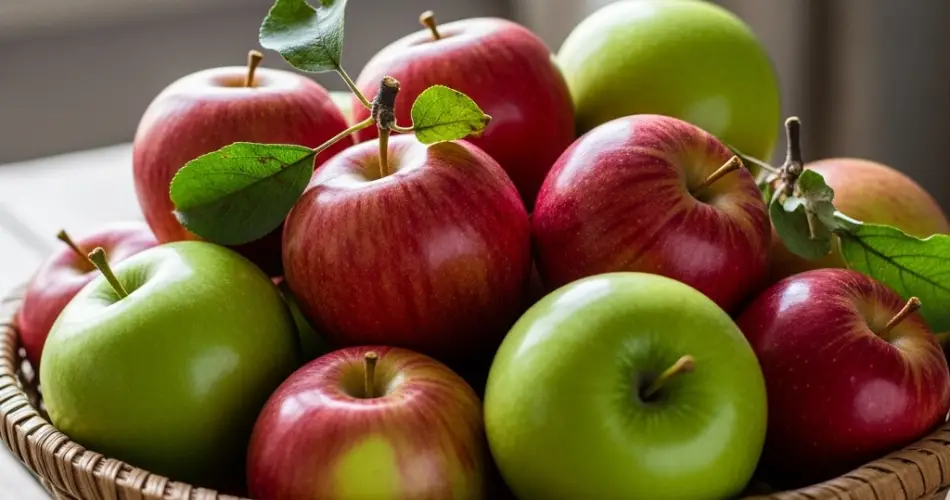
There’s nothing quite like biting into a crisp apple you grew yourself. However, many home gardeners find that while their apple tree survives year after year, it doesn’t always produce a bountiful harvest. Fortunately, with the right care, timing, and techniques, you can encourage your apple tree to produce more fruit consistently, season after season.
From proper pruning to feeding schedules and pollination support, here’s everything you need to know to turn a struggling apple tree into a heavy producer.
1. Choose the Right Apple Variety
Your journey to a fruitful tree begins with the right apple variety. Some trees naturally bear more fruit than others. Dwarf and semi-dwarf varieties are perfect for small spaces and often bear fruit earlier than full-sized trees.
Additionally, consider self-fertile types if you only have space for one tree. However, even self-fertile apple trees will generally produce more apples with a second compatible variety nearby for cross-pollination.
2. Ensure Proper Pollination
Many apple trees require cross-pollination from a different variety to produce fruit. Without it, your tree might flower beautifully but still fail to bear apples.
To improve pollination:
-
Plant a compatible apple variety nearby.
-
Attract pollinators like bees by planting flowers such as lavender, borage, or wildflowers.
-
Avoid using insecticides during flowering, as these can harm pollinators.
-
In smaller gardens, hand-pollinate by brushing pollen from one flower to another using a soft paintbrush or cotton swab.
Even in urban settings, boosting pollination often makes a dramatic difference in fruit yield.
3. Prune for Productivity
Annual pruning is essential to keeping your apple tree healthy and productive. It improves air circulation, sunlight penetration, and encourages the growth of fruiting wood.
When to prune: Late winter to early spring, while the tree is still dormant.
Pruning tips:
-
Remove dead, diseased, or crossing branches.
-
Thin out crowded areas to allow light to reach the center of the tree.
-
Cut back overly vigorous vertical shoots (water sprouts) that don’t produce fruit.
-
Keep the shape open and balanced—often described as a “goblet” or “open center” shape.
A well-pruned tree channels its energy into producing fruit instead of excess leaves and branches.
4. Feed Your Tree the Right Way
Just like people, fruit trees need the right nutrition to perform at their best. Without proper feeding, your apple tree may struggle to set and hold fruit.
Fertilizing tips:
-
Apply a balanced fertilizer (such as 10-10-10) in early spring before the buds break.
-
Use organic options like compost, well-rotted manure, or seaweed-based feeds.
-
Avoid high-nitrogen fertilizers later in the season as they promote leaf growth over fruiting.
Supplement with trace elements like boron, magnesium, and calcium if your soil is deficient. These micronutrients help with fruit development and prevent problems like bitter pit.
5. Water Wisely
Apple trees need consistent moisture, especially during flowering and fruit development. Drought stress during this period can lead to fruit drop or poor fruit formation.
Watering tips:
-
Deep water weekly during dry spells—about 1 inch of water per week.
-
Avoid shallow, frequent watering.
-
Mulch around the base to conserve moisture and regulate soil temperature, but keep mulch a few inches away from the trunk.
In containers, trees dry out faster, so check moisture levels more frequently.
6. Thin the Fruit
While it might feel counterintuitive, thinning young apples in late spring helps the tree focus on producing fewer but larger and healthier fruits.
How to thin properly:
-
Wait until the natural “June drop,” when the tree drops some fruit.
-
Manually thin remaining clusters so that only one apple remains per cluster, spaced about 6 inches apart.
This prevents branches from being overburdened and improves airflow, which reduces the risk of fungal diseases.
7. Watch for Pests and Diseases
Uncontrolled pests and diseases can sabotage your harvest. Codling moths, apple scab, aphids, and powdery mildew are common culprits.
Preventative measures:
-
Keep the area around your tree clean of fallen fruit and leaves.
-
Use sticky traps or pheromone lures for moths.
-
Spray with organic treatments like neem oil, insecticidal soap, or copper fungicide as needed.
-
Ensure proper spacing and airflow to reduce fungal problems.
Early detection and regular inspection help you intervene before serious damage occurs.
8. Encourage Spur Formation
Apple fruit forms on spurs, which are short, stubby branches that bear fruit year after year. Encourage spur development by:
-
Avoiding excessive pruning of short lateral shoots.
-
Avoiding over-fertilization with nitrogen.
-
Letting your tree mature naturally and not forcing too much vegetative growth.
Patience pays off—as the tree matures and more spurs develop, the fruit load increases.
Final Thoughts
Producing more apples each season is less about luck and more about knowing what your tree needs to thrive. With the right pruning, feeding, watering, and pollination strategies, you’ll turn your apple tree into a reliable and rewarding producer year after year.
Whether your tree is in a backyard, orchard, or container on the patio, following these steps will help you enjoy larger, tastier, and more abundant harvests—making every apple count.


