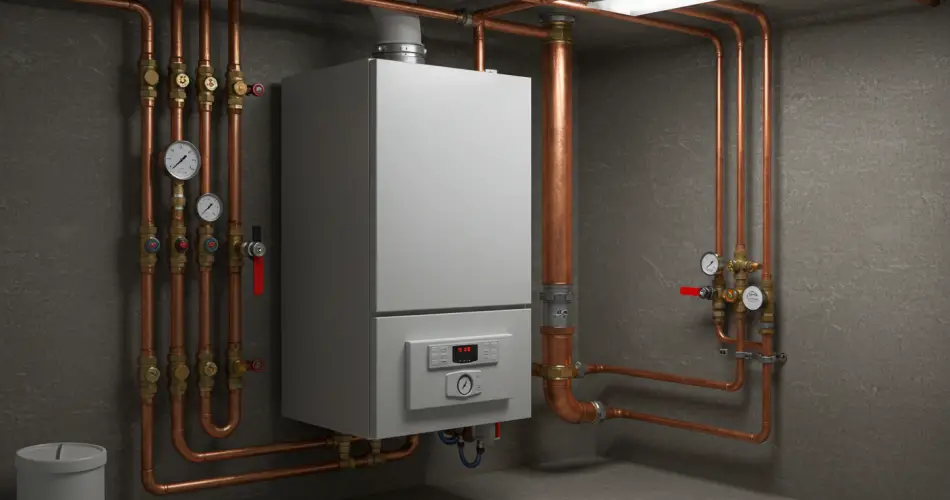
With rising gas and energy costs, homeowners are constantly searching for ways to cut down on their heating bills, especially during the coldest months of the year. While there are many tips on how to reduce overall household consumption, one often overlooked method lies directly within your heating system.
Modern boilers often come with a built-in anti-freeze (or frost protection) function—a feature that can help maintain comfort in your home, prevent damage to the boiler, and drastically reduce energy usage while you’re away. Even if your boiler doesn’t have this specific setting, there are manual adjustments you can make to achieve similar savings.
The Importance of Boiler Maintenance
Before diving into the function itself, it’s worth emphasizing that regular maintenance is essential for both efficiency and savings. A poorly maintained boiler uses more gas, struggles to heat water effectively, and is more prone to costly breakdowns.
Simple steps such as bleeding radiators, keeping external vents clear, and arranging an annual service appointment can extend the life of your boiler and lower your energy bills. Clean systems run more smoothly, consume less energy, and are less likely to fail when you need them most—during the depths of winter.
Why Heating Costs Skyrocket in Winter
Gas prices have risen significantly in recent years, and heating accounts for the largest portion of household energy bills during winter. When families are home all day, radiators and hot water systems are constantly in use. However, many people don’t realize that keeping the boiler running at full capacity—even when the house is empty—is one of the biggest wastes of money.
This is where the anti-freeze mode can make a real difference.
What Is the Anti-Freeze (Frost Protection) Function?
The anti-freeze mode is designed to prevent water inside the boiler and pipes from freezing when the temperature drops. Freezing water can cause serious damage to the heating system, leading to leaks, broken pipes, and expensive repair bills.
But beyond protection, this function also provides a smart way to keep your home slightly heated at a much lower energy cost. Instead of running the boiler to heat water to standard household temperatures, anti-freeze mode maintains the system at a low, steady temperature—usually between 8°C and 12°C (46°F–54°F).
This is warm enough to protect the boiler and pipes, while avoiding the high costs of full heating when nobody is home.
When to Use the Anti-Freeze Function
The anti-freeze setting is particularly useful when:
-
You’re away for more than two days – Instead of shutting the boiler off completely (which risks freezing and incurs higher costs when restarted), anti-freeze mode maintains minimal heating.
-
You want to reduce baseline energy consumption – Even when at home, you can use this function overnight in mild climates to prevent unnecessary gas usage.
-
During unexpected cold snaps – If temperatures drop suddenly while you’re away, you’ll avoid coming back to frozen pipes or a broken boiler.
How to Activate the Anti-Freeze Mode
On Modern Boilers
Most recent boiler models come with a dedicated button or setting on the control panel labeled “frost protection” or “anti-freeze.” To activate it, simply press the button or select it from the digital menu. The system will then automatically regulate the water temperature to the safe range without heating the house excessively.
On Older Boilers
If your boiler does not have a built-in frost protection function, you can replicate it manually:
-
Set the water heating temperature between 8°C and 12°C.
-
Leave the system running in this reduced mode while you are away.
-
Avoid using this setting when you are home, since the water will not be hot enough for regular use in bathrooms or kitchens.
While this manual method won’t be as convenient as pressing a button, it can still help you save money while keeping your system protected.
Why You Shouldn’t Turn the Boiler Off Completely
Many homeowners believe that switching the boiler off entirely is the most efficient way to save money when leaving home for several days. However, this is often a false economy. Restarting a cold boiler requires more energy than keeping it running at a low, steady temperature. Additionally, the risks of frozen water damaging the pipes and system are much higher when the boiler is fully switched off in freezing conditions.
By keeping the boiler in anti-freeze mode, you not only avoid costly repairs but also reduce long-term consumption, striking a balance between safety and savings.
Limitations of the Anti-Freeze Function
It’s important to understand that the anti-freeze function is not meant for everyday heating. When active:
-
Water in the bathroom and kitchen won’t reach a usable temperature – This makes it unsuitable for showers, washing dishes, or laundry.
-
Comfort heating is minimal – The home will not feel warm as usual; instead, it will remain just above freezing.
This is why the mode should only be used during absences or at times when full heating is unnecessary. Upon returning home, you should switch the boiler back to its regular heating program.
Additional Considerations
Every home is different, and how effective this function will be depends largely on your property’s insulation and layout. Poorly insulated homes may lose heat quickly, making it harder for the system to maintain even a low temperature. In such cases, investing in insulation improvements—such as sealing windows, insulating pipes, or upgrading wall insulation—will maximize the benefits of the anti-freeze mode.
For precise guidance, consider requesting a thermal assessment from a heating specialist. They can evaluate your home’s energy efficiency and suggest tailored adjustments to reduce consumption and costs.
Conclusion
Winter heating doesn’t need to drain your finances. By taking advantage of your boiler’s anti-freeze function, or manually setting older models to a low, protective temperature, you can keep your system safe, reduce energy usage, and save a significant amount of money.
Instead of shutting off your boiler entirely and risking expensive damage, this smart feature offers peace of mind and cost efficiency during absences or low-use periods. Combined with proper maintenance and good insulation, it’s one of the simplest ways to lower your energy bills without sacrificing the safety and durability of your heating system.