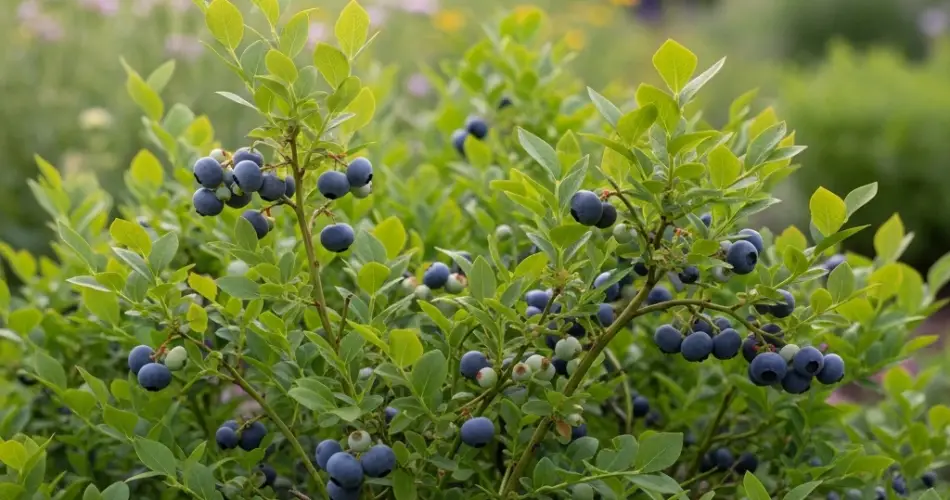
Blueberries are among the most rewarding fruits to grow at home. Their compact size, beautiful foliage, and sweet-tart berries make them a favorite for home gardeners. However, if your blueberry bush isn’t growing as expected, it can be frustrating. Whether your plant is stunted, failing to flower, or simply not thriving, there are several potential reasons—and most of them are fixable.
Here’s a detailed look at the common causes of slow or stunted blueberry growth and what you can do to encourage healthier, more vigorous plants.
1. Soil pH Is Too High
One of the biggest mistakes gardeners make with blueberries is planting them in soil with the wrong pH. Blueberries require acidic soil with a pH between 4.5 and 5.5. If your soil is neutral or alkaline, the plant will struggle to absorb nutrients, even if the soil is rich in organic matter.
Solution:
-
Test your soil using a pH testing kit.
-
If the pH is too high, amend the soil with elemental sulfur, pine needles, peat moss, or acidic compost.
-
For potted plants, use a potting mix designed for acid-loving plants like azaleas or rhododendrons.
2. Poor Drainage or Overwatering
Blueberries prefer moist but well-drained soil. Roots that sit in soggy or compacted soil can rot, leading to poor growth and yellowing leaves. On the flip side, letting the soil dry out too often can also stress the plant.
Solution:
-
Improve drainage by mixing in perlite or coarse sand.
-
Water deeply but allow the top few inches of soil to dry between waterings.
-
For containers, ensure pots have proper drainage holes and aren’t sitting in water trays.
3. Lack of Sunlight
Blueberries need at least 6–8 hours of full sun per day to grow well and produce fruit. In shaded areas, they may survive but won’t thrive.
Solution:
-
Move container-grown bushes to a sunnier spot.
-
If growing in-ground, prune nearby trees or shrubs to improve light exposure.
-
For low-light gardens, consider growing smaller, shade-tolerant crops nearby and reserving the sunniest spots for your blueberries.
4. Wrong Variety for Your Climate
Not all blueberry varieties grow well in every region. There are three main types:
-
Highbush: Best for cooler northern climates.
-
Rabbiteye: Suited to warm southern climates.
-
Lowbush: Cold-hardy and typically found in very cool regions.
Solution:
-
Choose a variety adapted to your growing zone.
-
If you’re unsure, check with local nurseries or agricultural extension services for region-specific recommendations.
5. Nutrient Deficiencies
Blueberries are light feeders but still need a proper balance of nutrients to grow well. Nitrogen deficiency is a common cause of weak or stunted growth.
Signs:
-
Pale or yellowing leaves
-
Little to no new growth
-
Poor flowering or fruiting
Solution:
-
Use an acidic, organic fertilizer formulated for blueberries or other acid-loving plants.
-
Apply in early spring and again in late spring or early summer.
-
Avoid high-phosphorus fertilizers, which can further inhibit nutrient uptake.
6. No Cross-Pollination
If your bush is mature but not producing fruit, it may not be a growth issue but a pollination problem. Most blueberry varieties benefit from cross-pollination with a second variety nearby.
Solution:
-
Plant at least two compatible varieties within 50 feet of each other.
-
Choose varieties that bloom at the same time for best results.
-
Encourage pollinators by planting nectar-rich flowers nearby.
7. Root Bound in Containers
If your container-grown blueberry bush isn’t growing, the roots may be pot-bound, meaning they’ve outgrown the container and can’t expand further.
Solution:
-
Repot into a larger container (at least 18–24 inches in diameter) with fresh, acidic potting mix.
-
Gently loosen the roots during transplanting to encourage outward growth.
8. Improper Pruning or Planting Depth
Blueberries need periodic pruning to remove dead or unproductive wood and encourage new shoots. Planting too deeply or too shallowly can also impact their growth.
Solution:
-
Prune in late winter or early spring, focusing on removing old, weak stems and encouraging strong new growth.
-
When planting, ensure the crown (where stems meet the roots) is level with the soil surface.
9. Pests and Diseases
Although blueberries are relatively low-maintenance, they are not immune to pests and diseases. Root rot, fungal infections, aphids, or borers can all impact growth.
Solution:
-
Check leaves and stems regularly for signs of insect activity or disease.
-
Use natural pest deterrents like neem oil or insecticidal soap if necessary.
-
Avoid overhead watering, which can encourage fungal problems.
Final Thoughts
A blueberry bush that’s not growing can be a sign of stress—but with careful observation and targeted solutions, most problems are easily reversed. Focus on soil pH, drainage, sunlight, and proper feeding to get your plant back on track. With a little attention, your blueberry bush will reward you with vibrant foliage, fragrant blossoms, and sweet berries for years to come.


