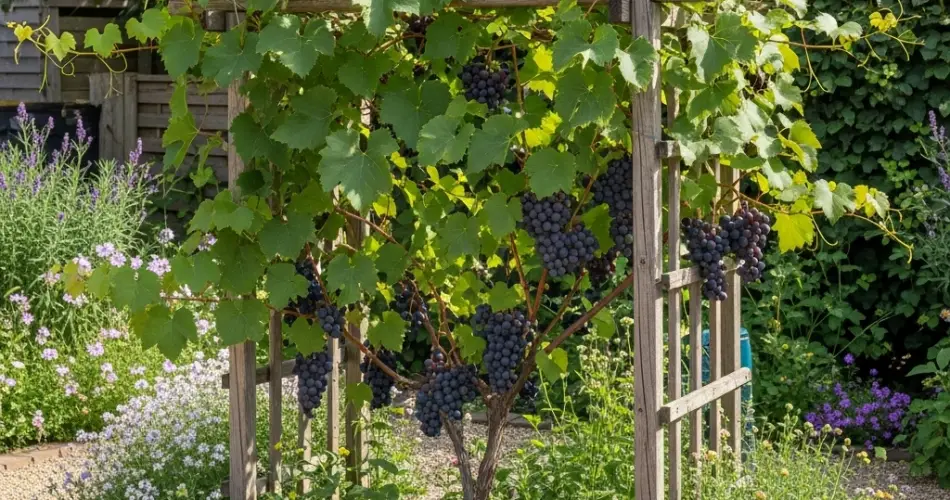
Grapevines are not just for sprawling vineyards—they can thrive in small home gardens, patios, and even containers when chosen and trained properly. With careful planning and the right variety, you can enjoy the beauty of leafy vines, fragrant blossoms, and sweet, juicy grapes from your own compact outdoor space.
Whether you’re interested in eating fresh grapes, making juice, or simply adding a touch of greenery to your garden, here are some of the best grape varieties suited for small spaces, along with growing tips to ensure success.
Why Grapes Work in Small Gardens
Grapes are vigorous climbers that can be trained vertically, making them ideal for small spaces. With a trellis, arbor, fence, or even a pergola, grapevines can grow upward instead of outward, maximizing limited space. Many modern cultivars are bred to be more compact, disease-resistant, and high-yielding—perfect for home gardeners.
Top Grape Varieties for Small Gardens
1. ‘Pixie’ Grape
-
Type: Table grape (seedless)
-
Size: Dwarf; grows to about 2 feet
-
Color: Red
-
Best for: Containers, patios, or balcony gardening
‘Pixie’ is a true miniature grapevine that produces small clusters of flavorful red grapes. It’s ideal for those with very limited space or who want a decorative, fruiting plant for pots.
2. ‘Himrod’
-
Type: Table grape (seedless)
-
Size: Vigorous, but manageable with pruning
-
Color: Green-gold
-
Best for: Fresh eating, drying (raisins)
‘Himrod’ is prized for its sweet, juicy grapes and high productivity. It’s cold-hardy and disease-resistant, making it a low-maintenance choice. With annual pruning, it can easily be kept in check in small gardens.
3. ‘Somerset Seedless’
-
Type: Table grape (seedless)
-
Size: Moderate growth; good for trellises
-
Color: Pink-red
-
Best for: Fresh eating, small spaces
This variety is well-suited for cooler climates and offers excellent flavor with crisp texture. It’s an early ripener and performs well in northern zones with short growing seasons.
4. ‘Reliance’
-
Type: Table grape (seedless)
-
Size: Medium-sized vine
-
Color: Pink
-
Best for: Fresh eating, freezing
‘Reliance’ is known for its winter hardiness and sweet flavor. It produces abundantly with minimal care and is a good choice for smaller trellised spaces with seasonal pruning.
5. ‘Venus’
-
Type: Table grape (mostly seedless)
-
Size: Vigorous grower
-
Color: Blue-black
-
Best for: Eating fresh, juicing
‘Venus’ is a flavorful grape with a slightly musky aroma and attractive dark color. While it’s vigorous, it responds well to trellis training and pruning, making it suitable for backyard growers with limited ground space.
6. ‘Marquis’
-
Type: Table grape (seedless)
-
Size: Medium vine
-
Color: Green-white
-
Best for: Fresh eating, wine, juicing
‘Marquis’ is a hybrid with excellent disease resistance and a muscat flavor. Its compact form and high fruit quality make it a strong contender for small home gardens.
Growing Grapes in Small Spaces: Key Tips
1. Choose the Right Location
Grapes need at least 6–8 hours of full sunlight daily. Place vines in the sunniest part of your garden or balcony. Good airflow is also important to prevent fungal issues.
2. Use Vertical Supports
To conserve space, grow grapes on:
-
Trellises
-
Arches or arbors
-
Pergolas
-
Wire fences
-
Wall-mounted lattices
Vertical growing supports healthy air circulation, sunlight exposure, and easy harvesting while minimizing ground use.
3. Plant in Containers (If Needed)
Many grape varieties grow well in containers, especially dwarf or compact types. Use large pots—at least 15–20 gallons—with good drainage. Choose a loamy, well-draining soil mix and mulch to retain moisture.
Repot every 2–3 years or refresh the topsoil and nutrients annually.
4. Prune Annually
Pruning is essential to control the size of your grapevine, encourage fruit production, and improve airflow. Prune during the dormant season (late winter) to remove excess growth and train the vine along its support.
For container grapes, keep the vine even more compact and focus on one or two main stems.
5. Fertilize and Water Smartly
Grapes don’t need heavy feeding. Apply a balanced organic fertilizer in spring and again in early summer if needed. Over-fertilizing can lead to leafy growth at the expense of fruit.
Water deeply but infrequently, allowing the topsoil to dry between watering. Container grapes may need more frequent watering, especially in hot weather.
6. Watch for Pests and Diseases
While many modern grape varieties are disease-resistant, it’s still important to monitor for:
-
Powdery mildew
-
Downy mildew
-
Aphids
-
Japanese beetles
Use neem oil or insecticidal soap for pests and practice proper spacing and pruning to prevent fungal issues.
Final Thoughts
You don’t need a large backyard to grow delicious, homegrown grapes. With the right variety, vertical training, and regular maintenance, grapevines can flourish even in small gardens, balconies, or containers. Whether you’re snacking on seedless clusters straight from the vine or making your own juice, the experience of growing your own grapes is sweet in every sense. Choose a compact, flavorful variety and start training your vine—it won’t be long before your small space turns into a mini vineyard.


