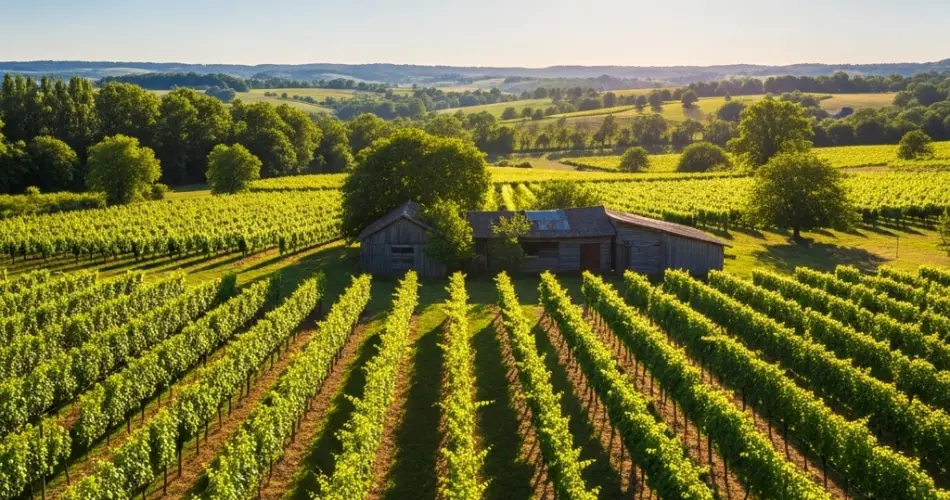
Turning your backyard into a vineyard may seem like an ambitious project, but with a bit of planning and care, it’s entirely achievable. Whether your goal is to enjoy fresh grapes, make homemade wine, or simply enhance your garden’s charm, growing grapevines can be a rewarding experience. With the right location, proper vine selection, and consistent maintenance, you can cultivate a thriving vineyard in your own outdoor space.
Here’s a step-by-step guide to help you start your backyard vineyard successfully.
1. Evaluate Your Site
The first step in creating a backyard vineyard is selecting the right location. Grapevines need a combination of sun, drainage, and airflow to thrive.
-
Sunlight: Grapes require at least 6–8 hours of direct sunlight per day. Choose a spot with full sun exposure.
-
Soil: Grapes prefer well-drained, sandy or loamy soil with a pH between 5.5 and 7.0. Avoid heavy clay or waterlogged soil.
-
Air circulation: Good airflow helps reduce fungal diseases. Avoid low-lying areas where cool air can settle and create frost pockets.
If necessary, amend your soil with compost or sand to improve drainage and fertility before planting.
2. Choose the Right Grape Variety
There are two main categories of grapes: table grapes (for eating fresh) and wine grapes (for making wine). Within these categories, choose a variety that suits your climate and intended use.
Common backyard-friendly grape varieties:
-
Concord – Cold-hardy, great for juice or jelly
-
Thompson Seedless – Popular for eating and drying into raisins
-
Niagara – Excellent for juice and table use
-
Cabernet Sauvignon or Pinot Noir – If you’re interested in winemaking and live in a mild climate
Consult local nurseries or extension offices for varieties best adapted to your region. Disease resistance is also important—opt for cultivars bred to resist common grape pests and fungal issues.
3. Plan the Vineyard Layout
Even in a small backyard, planning the layout ensures healthy, productive vines. Grapes need space for airflow, sunlight, and training.
-
Spacing: Plant vines 6 to 8 feet apart in rows spaced 6 to 10 feet apart.
-
Row orientation: Ideally, rows should run north to south to maximize sunlight exposure.
-
Trellising: Grapevines need support. Install a trellis, arbor, or vertical posts with wire before planting.
A basic two-wire trellis system works well for most backyard growers: one wire about 3 feet off the ground, and a second wire around 6 feet high to support the vine’s growth.
4. Planting Your Grapevines
Grapevines are usually sold as bare-root plants in early spring. Before planting, soak the roots in water for a few hours.
Planting steps:
-
Dig a hole wide and deep enough to spread the roots without crowding.
-
Place the vine with the roots spread out and the graft union (if present) above soil level.
-
Backfill with soil, firm it gently, and water thoroughly.
-
Mulch around the base to retain moisture and suppress weeds.
Water young vines regularly during their first growing season to help them establish a strong root system.
5. Training and Pruning
Training grapevines onto a trellis and pruning them correctly is key to encouraging healthy growth and fruit production.
-
First year: Focus on establishing one strong trunk. Remove all flower clusters to direct energy into root and shoot growth.
-
Second year: Begin training lateral branches (cordons) along the wires. Allow a limited number of fruit clusters.
-
Ongoing: Prune annually in late winter to remove old growth and encourage new fruiting canes.
Don’t be afraid to prune aggressively—grapes fruit on new growth, and regular pruning prevents overcrowding and disease.
6. Watering and Fertilizing
Once established, grapevines are drought-tolerant, but young vines need consistent moisture.
-
Watering: Water deeply once a week during dry spells, especially during flowering and fruiting.
-
Fertilizing: Use a balanced fertilizer in early spring. Avoid over-fertilizing, which can lead to excessive leafy growth and fewer grapes.
Add compost or aged manure annually to improve soil structure and fertility naturally.
7. Pest and Disease Management
Common grapevine pests and diseases include aphids, Japanese beetles, powdery mildew, and black rot. Monitor your vines regularly and take preventive steps.
Organic management tips:
-
Keep vines well-pruned for air circulation.
-
Use neem oil or insecticidal soap for soft-bodied pests.
-
Remove and destroy diseased leaves or fruit.
-
Clean up fallen debris to reduce fungal spores.
Mulching, companion planting, and encouraging beneficial insects can also help create a balanced ecosystem.
8. Harvesting Grapes
Grapes ripen in late summer to early fall, depending on the variety and climate. Taste is the best indicator of readiness—grapes do not ripen after picking.
-
Look for full color, firm texture, and a sweet flavor.
-
Cut clusters with clean shears to avoid damaging the vine.
-
Store grapes in a cool, dry place or refrigerate them for longer shelf life.
Harvesting marks the reward for your patience and care—whether for snacking, juicing, or fermenting.
Conclusion
Starting a vineyard in your backyard is more than just a gardening project—it’s a long-term investment in beauty, flavor, and self-sufficiency. With the right setup, a bit of effort, and ongoing care, you can enjoy fresh grapes and the satisfaction of nurturing your very own vines. Whether your dream is to sip homemade wine or enjoy sun-warmed grapes straight from the vine, a backyard vineyard makes that dream possible right at home.


