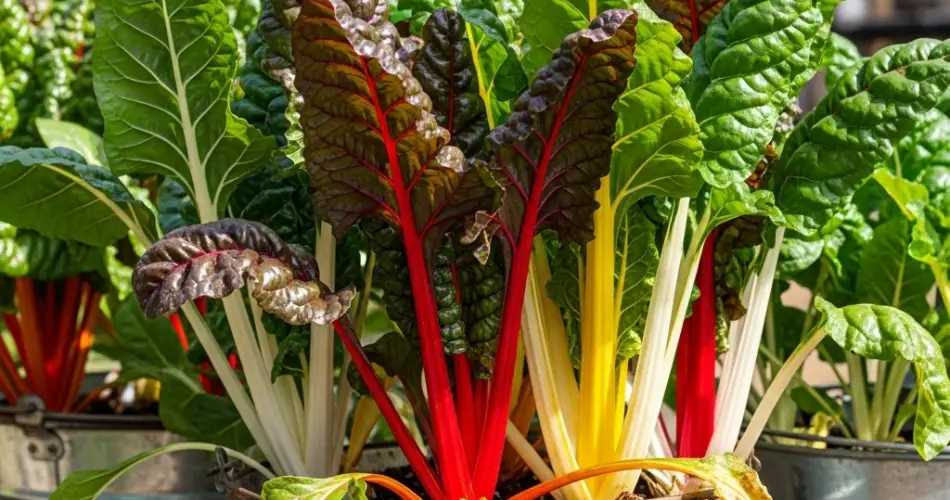
Swiss chard is a vibrant, leafy green packed with vitamins, minerals, and antioxidants, making it a nutritious addition to any meal. Growing Swiss chard in containers is an excellent solution for gardeners with limited space, including balconies, patios, or small gardens. The success of container-grown Swiss chard depends largely on the quality of the soil mix, as it provides essential nutrients, proper drainage, and support for healthy roots. This guide outlines the best soil practices for thriving container-grown Swiss chard.
Why Soil Quality Matters for Swiss Chard
Soil plays a critical role in the growth and productivity of Swiss chard:
-
Nutrient supply – High-quality soil provides the nutrients required for strong leaves and vibrant stems.
-
Drainage – Well-draining soil prevents waterlogging, which can cause root rot and stunted growth.
-
Root development – Loose, aerated soil promotes healthy root expansion, supporting continuous leaf production.
-
Moisture retention – Soil that holds moisture without becoming soggy ensures consistent hydration, essential for tender leaves.
Choosing or preparing the right soil mix is the foundation for successful container gardening.
Step 1: Selecting a Container
Before preparing the soil, choose an appropriate container:
-
Size – A container holding at least 5 gallons (19 liters) of soil works well. Swiss chard has a moderate root system and benefits from deeper soil for better growth.
-
Drainage – Ensure the container has several drainage holes to allow excess water to escape.
-
Material – Plastic, clay, or metal containers are suitable, provided they are sturdy and capable of holding soil and moisture.
A properly sized container supports healthy roots and prevents water-related problems.
Step 2: Components of an Ideal Soil Mix
Swiss chard thrives in soil that is nutrient-rich, loose, and well-draining. A balanced soil mix includes:
-
Garden soil or topsoil – Provides the base structure and essential minerals.
-
Compost – Adds organic matter and nutrients, enhancing soil fertility and supporting leafy growth.
-
Perlite or coarse sand – Improves drainage and prevents compaction, ensuring oxygen reaches the roots.
Mix equal parts of garden soil, compost, and perlite or coarse sand for optimal results. This combination retains moisture while providing adequate aeration for strong roots.
Step 3: Adjusting Soil pH
Swiss chard grows best in slightly acidic to neutral soil:
-
Ideal pH – Aim for a soil pH between 6.0 and 7.0.
-
pH adjustment – If your soil is too acidic, add a small amount of garden lime. If it is too alkaline, incorporate sulfur or peat moss to lower the pH.
Maintaining the proper pH ensures that nutrients are available for absorption and supports healthy leaf development.
Step 4: Fertilization
Nutrients are crucial for continuous leaf production:
-
Pre-planting – Mix a balanced slow-release fertilizer into the soil before planting to support initial growth.
-
Ongoing care – Supplement with liquid fertilizer every 2–3 weeks to provide additional nutrients for sustained leaf production.
-
Nitrogen – Ensure adequate nitrogen content to encourage lush, leafy growth, while avoiding excessive nitrogen, which can reduce stem color vibrancy.
Proper fertilization ensures your Swiss chard remains healthy, colorful, and productive.
Step 5: Planting Swiss Chard
Once the soil mix is ready:
-
Seeds – Sow seeds about 1/2 inch (1.3 cm) deep. Keep the soil consistently moist until seedlings emerge, usually within 7–14 days.
-
Seedlings – Transplant 3–4 week-old seedlings into the container, spacing them 6–8 inches apart to allow for mature leaf growth.
-
Succession planting – Plant seeds every 2–3 weeks to maintain continuous harvests throughout the season.
Adequate spacing ensures proper airflow and reduces the risk of disease.
Step 6: Watering
Consistent soil moisture is vital for container-grown Swiss chard:
-
Initial watering – Water thoroughly after planting to settle soil around the roots.
-
Ongoing watering – Keep soil evenly moist but not waterlogged. Check the top inch daily and water as needed.
-
Technique – Water at the soil level rather than on leaves to reduce the risk of fungal diseases.
Maintaining the right moisture balance ensures tender, crisp leaves and supports steady growth.
Step 7: Maintenance and Care
Healthy soil and proper care go hand-in-hand:
-
Mulching – Apply a thin layer of organic mulch to retain moisture and regulate soil temperature.
-
Pest control – Inspect leaves regularly for aphids, slugs, or caterpillars. Remove pests promptly to protect the crop.
-
Soil refresh – For long-term container use, replace or refresh the top layer of soil each season to maintain nutrient levels and soil structure.
Regular maintenance promotes continuous productivity and vibrant growth.
Final Thoughts
The key to successful container-grown Swiss chard lies in the soil mix. A combination of garden soil, compost, and perlite or sand, with proper pH and nutrients, creates an ideal environment for healthy roots and abundant leaves. Paired with consistent watering, sunlight, and ongoing care, this soil mix ensures your Swiss chard thrives in a container, delivering fresh, nutritious greens throughout the growing season.


