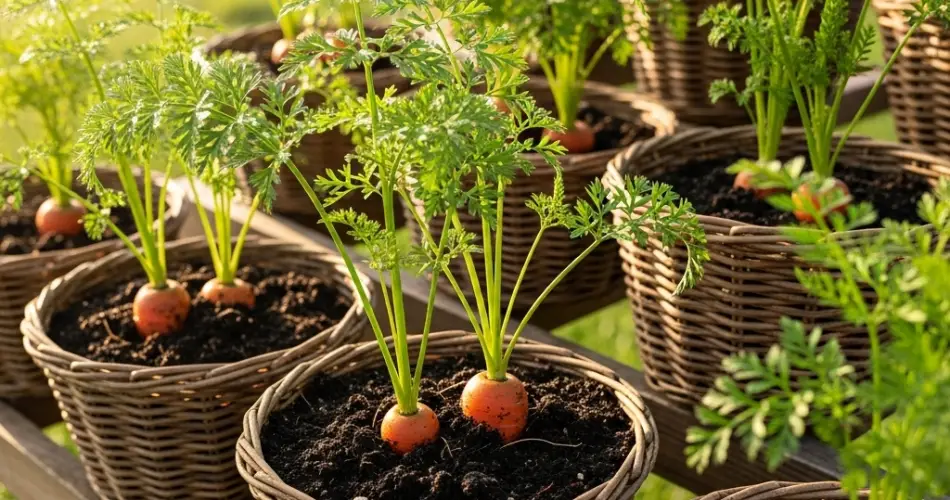
Carrots are one of the most satisfying vegetables to grow at home, offering crisp texture and natural sweetness that surpasses store-bought versions. While they are often associated with large garden beds, carrots can thrive in woven baskets when the right soil conditions are created. Growing carrots in baskets allows for a rustic and space-efficient gardening solution, especially for balconies, patios, or small urban areas. However, success largely depends on soil quality. Carrots develop underground, and the structure, texture, and nutrition of the soil will directly affect the shape, size, and flavor of your harvest.
This guide will walk you through everything you need to know about preparing the best soil for carrots in woven baskets, from texture and nutrients to drainage and maintenance.
Why Soil Matters So Much for Carrots
Carrots are root vegetables, and their edible portion grows below the surface. Unlike leafy greens or herbs, which can tolerate richer or denser soils, carrots require a very specific type of soil to form straight, smooth roots. If the soil is too heavy, compacted, or stony, the roots may become forked, twisted, or stunted. Woven baskets, with their natural breathability, provide a unique opportunity to create the perfect growing environment, but only if the soil is carefully prepared.
The Ideal Soil Texture for Carrots
The texture of your soil is the single most important factor when growing carrots in baskets.
-
Loose and friable: Carrots need soil that allows their roots to penetrate easily without obstruction. A light, fluffy mix prevents deformities.
-
Stone-free: Even small pebbles or chunks of organic matter can cause roots to split or fork. Always sift your soil mix before filling your basket.
-
Well-draining: Carrots dislike waterlogged conditions. While woven baskets provide natural airflow, the soil itself should drain effectively to prevent rot.
A good rule of thumb is to choose or create a sandy-loam mix that strikes a balance between water retention and drainage.
Recommended Soil Ingredients
To create the perfect soil blend for carrots in woven baskets, consider combining the following components:
-
Potting mix (base): Use a high-quality potting mix as your starting point rather than garden soil, which can be too heavy.
-
Sand: Coarse sand or horticultural sand helps lighten the soil and improves drainage, allowing roots to grow straight.
-
Coconut coir or peat moss: These materials increase moisture retention while keeping the soil airy.
-
Compost: Well-rotted compost adds nutrients and improves soil structure. Avoid fresh compost, which can be too rich and lead to excessive leafy growth.
-
Perlite or vermiculite: These additives further enhance drainage and maintain a loose soil texture.
A suggested ratio might be 40% potting mix, 30% sand, 20% compost, and 10% perlite or coir. Adjust as needed based on your local climate and the carrot variety you are growing.
Nutritional Balance for Carrots
Unlike some crops, carrots do not need extremely nutrient-rich soil. In fact, too much nitrogen encourages leafy tops at the expense of root development. The key is balance:
-
Low nitrogen: Prevents excessive green growth and promotes root formation.
-
Moderate phosphorus and potassium: These nutrients encourage strong, healthy roots and improve flavor.
-
Organic matter: Compost provides slow-release nutrients without overwhelming the plants.
If you choose to fertilize, select a balanced or root-focused fertilizer with a higher potassium ratio than nitrogen. Liquid seaweed or bone meal can also be beneficial additions.
Preparing the Basket for Planting
Woven baskets have a rustic charm, but they need some preparation before filling with soil:
-
Line the basket: Use burlap, landscape fabric, or coconut coir liners to keep soil from spilling out while still allowing drainage.
-
Check drainage: Ensure that excess water can escape easily. Carrots do not tolerate soggy roots.
-
Fill carefully: Add the prepared soil mix, gently pressing but avoiding compaction. Remember that loose soil is essential for root development.
Maintaining Healthy Soil During Growth
Once your carrots are planted, soil care does not stop. Regular attention ensures a productive harvest:
-
Watering: Keep the soil consistently moist but not waterlogged. In baskets, soil dries out faster, so check moisture daily in hot weather.
-
Thinning: Overcrowding leads to stunted roots. Thin seedlings early to give each carrot enough room.
-
Top-dressing: Lightly add compost or a potassium-rich fertilizer halfway through the growing cycle to support root development.
-
Mulching: A thin layer of organic mulch helps retain soil moisture and prevents rapid drying.
Common Soil-Related Problems
Even with careful preparation, some issues may arise:
-
Forked roots: Usually caused by compact soil, stones, or fresh manure. Always ensure soil is loose and well-filtered.
-
Poor germination: Carrot seeds need consistent moisture during sprouting. Covering the basket lightly with a cloth until seedlings emerge can help.
-
Rotting roots: Indicates overwatering or poor drainage. Adjust watering and check that your basket is draining properly.
Conclusion
Carrots can thrive beautifully in woven baskets when given the right soil environment. By preparing a light, stone-free, well-draining mix and balancing nutrients carefully, you set the stage for straight, sweet, and crisp roots. Woven baskets not only add a decorative element to your garden but also provide excellent airflow and portability, making them a practical choice for urban gardeners.
With the right soil foundation, you can turn a simple woven basket into a productive container filled with vibrant orange roots, proving that even in small spaces, fresh and flavorful carrots are within reach.


