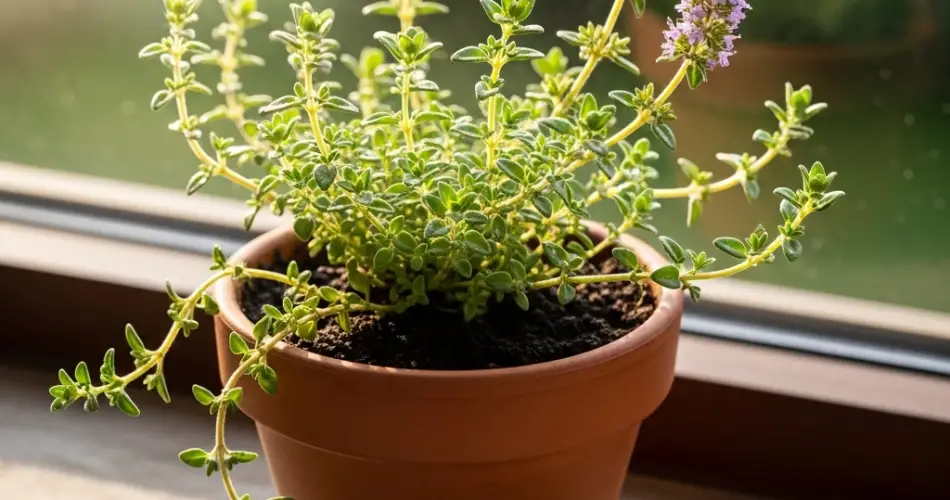
Thyme is a versatile and aromatic herb that thrives exceptionally well in containers, making it a favorite for home gardeners with limited space. While thyme is hardy and relatively low-maintenance, one essential practice ensures its long-term health and productivity: pruning. Proper pruning not only keeps your potted thyme looking attractive but also encourages fresh, flavorful growth that you can use in your cooking.
This guide will walk you through the best practices for pruning thyme in pots, explaining when, how, and why to prune so that your plant remains healthy and productive throughout the growing season.
Why Pruning Thyme is Essential
Pruning is more than just a way to harvest leaves; it’s a vital process that supports the plant’s overall well-being. Without regular trimming, thyme tends to become woody, sparse, and less flavorful over time. By pruning, you:
-
Stimulate new growth and branching.
-
Prevent legginess and maintain a compact shape.
-
Extend the productive lifespan of the plant.
-
Improve the intensity of its flavor and aroma.
Essentially, pruning ensures your thyme plant stays lush, fragrant, and full of leaves rather than turning into a woody tangle.
When to Prune Thyme in Pots
The timing of pruning plays a key role in the success of your plant. Here are the most important times to prune:
-
Early spring: Once new growth begins, prune lightly to remove dead stems and encourage fresh shoots.
-
During the growing season: Regular light pruning or harvesting keeps the plant producing.
-
After flowering: Snip back faded flower stems to redirect energy into leafy growth.
Avoid heavy pruning late in the fall, as thyme needs some foliage to sustain itself through winter.
Tools You’ll Need
Pruning thyme doesn’t require much equipment, but using the right tools will make the process easier and safer for your plant. You’ll need:
-
Sharp scissors or pruning shears: Clean, precise cuts prevent damage to the stems.
-
Clean cloth or alcohol wipes: To disinfect tools and reduce the risk of spreading disease.
How to Prune Thyme Properly
Pruning thyme is straightforward, but following the right technique makes a big difference:
-
Identify woody stems: Older stems become tough and woody at the base. Focus your cuts on green, flexible growth above the woody section.
-
Cut above a leaf node: Snip just above where leaves grow from the stem. This encourages branching and new growth from that point.
-
Harvest gradually: Take small amounts regularly rather than cutting back large sections at once. Never remove more than one-third of the plant at a time.
-
Shape the plant: Trim stems around the edges to maintain a compact, rounded form that looks attractive in a pot.
-
Deadhead flowers: If your thyme begins to flower, pinch off the blooms unless you want to collect seeds. This directs energy back into foliage production.
Encouraging Regrowth After Pruning
Pruning stresses the plant slightly, but thyme is resilient and recovers quickly with proper care. After trimming:
-
Water lightly to help the plant bounce back but avoid overwatering, which thyme dislikes.
-
Provide plenty of sunlight since strong light helps stimulate fresh, leafy growth.
-
Avoid fertilizing immediately after a major prune; wait a week or two before applying a mild, balanced fertilizer if needed.
These steps ensure the plant regrows vigorously, producing tender new shoots that are perfect for culinary use.
Seasonal Maintenance for Potted Thyme
Beyond routine pruning, seasonal care helps maintain your thyme plant year after year:
-
Spring: Refresh the soil by adding compost and prune lightly to kickstart growth.
-
Summer: Regularly harvest sprigs for cooking, which doubles as pruning.
-
Fall: Trim lightly to shape the plant but avoid heavy pruning as colder weather approaches.
-
Winter: Protect your pot if temperatures drop below freezing. Pruning should be minimal during this time.
By combining seasonal care with consistent pruning, your thyme will remain healthy and productive.
Common Mistakes to Avoid
Even though thyme is easy to manage, some pruning mistakes can set back growth. Avoid these pitfalls:
-
Cutting into woody stems too deeply: This can stunt regrowth since thyme struggles to sprout from old wood.
-
Over-harvesting: Taking more than a third of the plant weakens it.
-
Neglecting pruning altogether: Leads to a woody, scraggly plant with fewer usable leaves.
-
Using dull or dirty tools: Risks damaging stems and introducing disease.
Harvesting While Pruning
The best part about pruning thyme is that you get fresh herbs for your kitchen every time you do it. Harvest sprigs by cutting them neatly and use them fresh in recipes, or dry them for long-term storage. To dry, hang small bundles upside down in a cool, airy place, then strip the leaves and store them in airtight containers.
By integrating harvesting with pruning, you maintain the health of your plant while enjoying its culinary benefits.
Final Thoughts
Pruning is one of the simplest yet most powerful ways to ensure healthy, thriving potted thyme. Regular trimming keeps the plant compact, flavorful, and productive, while also extending its lifespan. With the right timing, clean tools, and consistent care, your thyme plant will provide an abundant harvest of aromatic sprigs that enhance both your cooking and your garden space.
Whether you’re a beginner growing herbs on a sunny windowsill or an experienced gardener managing a patio full of pots, mastering pruning techniques will guarantee that your thyme remains one of the most rewarding herbs in your collection.


