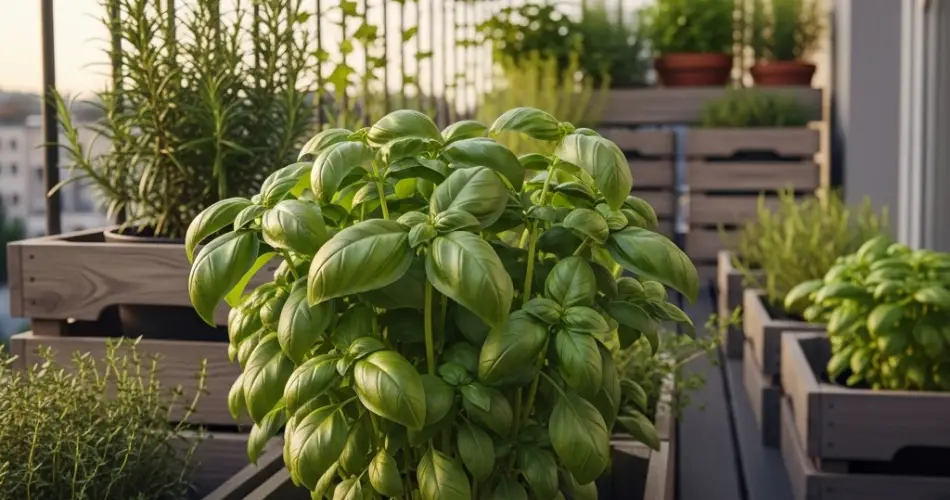
Basil is one of the most beloved herbs in home cooking, known for its fragrant leaves and ability to enhance a wide range of dishes—from fresh salads to rich pasta sauces. For urban dwellers with limited outdoor space, growing basil can seem challenging. However, with a simple wooden crate, you can create a productive and attractive herb garden right on your balcony, patio, or even by a sunny window.
Crate gardening offers a portable, space-efficient, and stylish way to grow herbs like basil in urban environments. By repurposing a wooden crate, you can create a functional container garden that’s easy to move, manage, and customize.
Why Grow Basil in a Crate?
Basil is a warm-weather herb that thrives in containers, making it perfectly suited to crate gardening. A crate provides a defined growing space while offering good drainage and portability. Here are some key advantages:
-
Space-Saving: Ideal for apartments, balconies, or small patios.
-
Portable: Move your crate to chase the sun or bring it indoors during cold weather.
-
Customizable: Paint, stain, or decorate the crate to match your style.
-
Sustainable: Repurpose an old wooden crate, giving it a second life.
Choosing and Preparing Your Crate
Select a sturdy wooden crate that’s large enough to hold several basil plants—something around 12–18 inches deep works well. If using a recycled crate, ensure it hasn’t been treated with harmful chemicals that could leach into the soil.
Step 1: Add a Lining
Line the inside with landscaping fabric, burlap, or a heavy-duty plastic sheet (with drainage holes) to keep soil in place while allowing water to drain.
Step 2: Ensure Drainage
Basil hates soggy soil, so drill several holes in the crate’s base if it doesn’t already have them.
Step 3: Position the Crate
Place it where it will receive at least 6–8 hours of sunlight each day. Basil needs plenty of sun to develop its signature flavor.
Planting Your Basil
1. Choose the Variety
Select from sweet basil, Thai basil, lemon basil, or other specialty varieties depending on your culinary preferences. You can even mix several varieties in one crate for variety.
2. Use Quality Soil
Fill the crate with a high-quality potting mix enriched with compost. A light, well-draining soil ensures healthy root development.
3. Planting Seeds or Seedlings
-
Seeds: Sow them ¼ inch deep and lightly cover with soil. Keep the soil moist until germination, which usually takes 5–10 days.
-
Seedlings: Gently transplant them into the crate, spacing each plant 6–8 inches apart.
Caring for Basil in a Crate
Basil is relatively easy to care for but benefits from regular attention:
-
Watering: Keep the soil evenly moist but not waterlogged. In hot weather, check daily to avoid wilting.
-
Feeding: Apply a balanced liquid fertilizer every 3–4 weeks to encourage lush, green growth.
-
Pinching and Pruning: Regularly pinch off the tips to promote bushier plants and prevent early flowering.
-
Flower Management: Remove flower buds as they appear to keep the plant producing flavorful leaves.
Harvesting Basil
The best time to harvest basil is in the morning when the leaves are most aromatic. Use scissors to snip leaves from the top of the plant, taking no more than one-third at a time to allow for regrowth. Frequent harvesting not only provides fresh herbs for your kitchen but also encourages the plant to grow fuller.
Creative Crate Gardening Tips
Your basil crate doesn’t just have to be functional—it can also be a decorative feature in your space:
-
Mix and Match: Plant basil alongside companion herbs like parsley, thyme, or oregano.
-
Vertical Arrangement: Stack multiple crates to create a vertical herb display.
-
Personalize the Crate: Paint it with chalkboard paint to label your herbs or add colorful designs.
-
Add Wheels: Attach casters to the bottom for easy mobility.
Advantages of Crate Gardening in Urban Spaces
Crate gardening offers unique benefits beyond growing fresh basil:
-
Flexibility: Move plants to the sunniest spots or shelter them during storms.
-
Eco-Friendly: Reusing wooden crates reduces waste.
-
Low Commitment: Ideal for renters or those who can’t commit to a permanent garden.
-
Urban Aesthetics: Adds greenery and charm to balconies and small patios.
Troubleshooting Common Issues
-
Yellow Leaves: May indicate overwatering or poor drainage—check soil moisture and crate drainage holes.
-
Leggy Growth: Usually caused by insufficient sunlight; move the crate to a sunnier location.
-
Pests: Watch for aphids or whiteflies and treat with a gentle, organic insecticidal soap.
Final Thoughts
Growing basil in a crate is a practical, stylish, and sustainable way to enjoy fresh herbs even in the smallest urban spaces. With a little preparation, regular care, and creative touches, your crate garden can become both a productive source of flavor for your meals and a beautiful feature in your home.
Whether you live in a high-rise apartment or a small townhouse, crate gardening allows you to enjoy the joy of harvesting homegrown basil right outside your door. In just a few weeks, you’ll have a lush, fragrant herb garden—proof that even in the heart of the city, green spaces can thrive.


