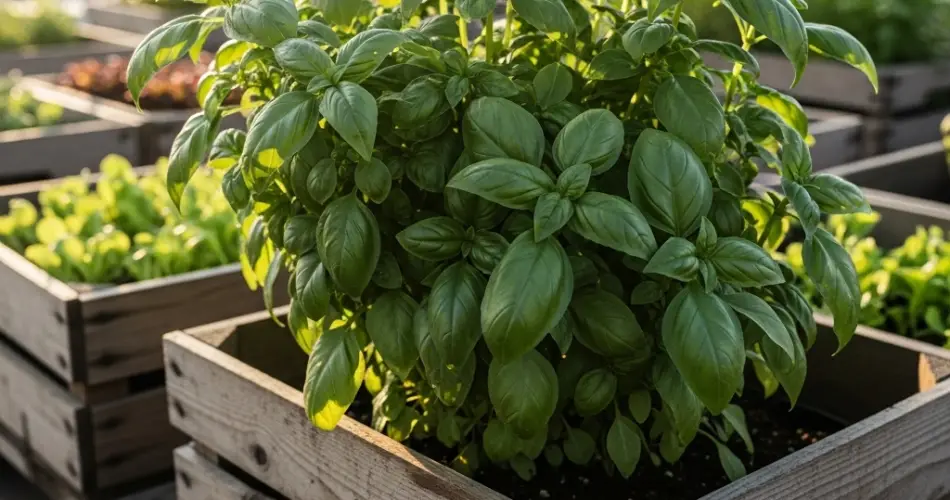
Basil is a beloved herb with a fresh, aromatic flavor that enhances a wide variety of dishes, from pasta sauces and salads to pesto and soups. For urban gardeners or anyone with limited outdoor space, growing basil in crates offers a practical, space-saving, and eco-friendly solution. Using repurposed crates allows gardeners to maximize balcony space while promoting sustainability. This guide outlines how to create and maintain a thriving crate-grown basil garden.
Choosing the Right Crates
Wooden crates are perfect for balcony gardening due to their sturdiness, lightweight nature, and availability as upcycled materials. Ensure the crates are clean, free from chemicals, and in good condition. Plastic crates can also be used if they have proper drainage. If your crates lack drainage holes, drill small openings in the bottom to prevent water accumulation and root rot. Uniform crates produce a neat, organized look, while mixing different sizes can add visual variety and charm to your balcony garden.
Selecting a Balcony Location
Basil thrives in full sunlight, requiring at least six hours of direct light daily. Position your crates in the sunniest spot on your balcony to encourage strong growth and aromatic leaves. Ensure the area is accessible for watering, pruning, and harvesting. Proper placement will also protect the plants from strong winds or extreme weather, especially if you live in a high-rise setting.
Preparing the Crates for Planting
To enhance drainage, place a thin layer of gravel, small stones, or broken terracotta pieces at the bottom of each crate. Fill the crates with a light, well-draining potting mix rich in organic matter. Adding compost or well-rotted manure improves soil fertility and supports vigorous growth. Leave a small gap at the top of the crate to allow room for watering and to prevent soil spillage.
Planting Basil
Basil can be grown from seeds or seedlings. For seeds, scatter them evenly on the soil surface and cover lightly with a thin layer of soil. Keep the soil moist until germination, usually within 5–10 days. For seedlings, gently loosen the roots and plant them about 15–20 centimeters apart to allow sufficient airflow and reduce competition. Proper spacing promotes healthy growth and prevents overcrowding, which can increase susceptibility to disease.
Watering and Care
Basil requires consistent moisture, especially during the early stages of growth, but it does not tolerate soggy soil. Water the plants thoroughly, allowing the topsoil to dry slightly between watering sessions. Avoid wetting the leaves directly, as this can encourage fungal diseases. During hot weather, basil may require daily watering. Mulching with straw or shredded leaves can help retain moisture and regulate soil temperature, keeping the plants healthy and productive.
Fertilization and Encouraging Growth
Basil is a low-maintenance herb, but periodic fertilization helps maintain lush, vibrant growth. Apply a balanced, water-soluble fertilizer every four to six weeks. Regularly pinching or trimming the tops encourages bushier plants and delays flowering, which keeps the leaves tender and flavorful. Harvesting frequently stimulates new growth, ensuring a continuous supply of fresh basil.
Pest and Disease Management
Basil is generally hardy but can occasionally be affected by aphids, whiteflies, or spider mites. Inspect the plants regularly and treat infestations promptly using organic insecticidal soap or a gentle water spray. Adequate spacing and airflow between plants reduce the risk of fungal infections such as downy mildew. Healthy, well-maintained plants are more resilient and productive, even in compact container setups.
Harvesting Basil
Harvest basil leaves once the plants reach 15–20 centimeters in height. Snip the outer leaves first, leaving the inner leaves intact to encourage ongoing growth. Frequent harvesting helps maintain bushy plants and a continuous supply of fresh leaves for cooking. Basil can also be preserved by freezing or turning into pesto for long-term use.
Decorative and Practical Benefits
A balcony garden of crate-grown basil is both practical and visually appealing. The vibrant green foliage adds color and life to your outdoor space, while repurposing crates reduces waste and promotes sustainability. Having fresh basil on hand enhances cooking and provides the satisfaction of growing your own herbs, even in urban environments.
Expanding Your Balcony Herb Garden
Once your basil crates are thriving, consider adding other compatible herbs such as parsley, oregano, thyme, or cilantro. These herbs grow well under similar conditions and create a diverse, aromatic garden. Stacking crates or arranging them in staggered layouts can further maximize limited balcony space and add visual interest.
Growing basil in crates is a sustainable, space-efficient, and rewarding way to cultivate fresh herbs. With proper sunlight, soil, and care, your balcony basil garden will flourish, providing flavorful leaves while enhancing the beauty and functionality of your outdoor space. This DIY eco-friendly method combines practicality, sustainability, and aesthetic appeal, making it ideal for gardeners of all levels.