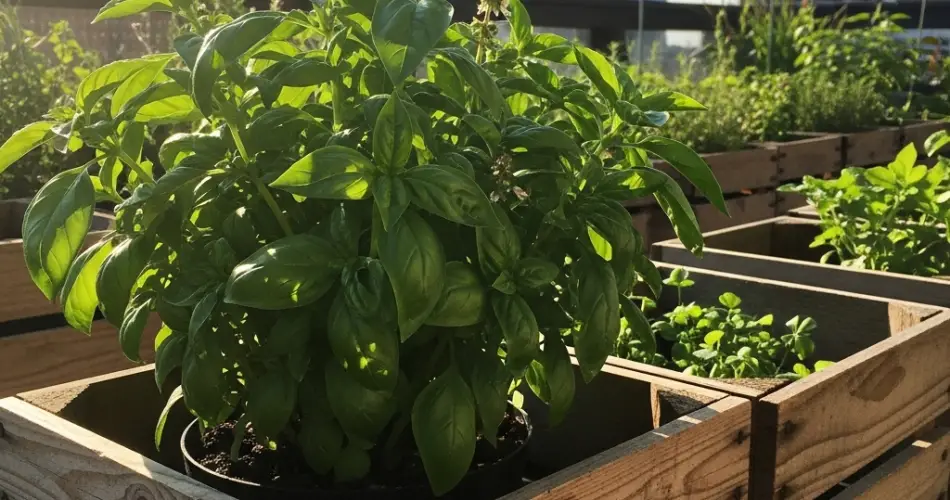
Basil is one of the most popular culinary herbs, prized for its aromatic leaves and versatility in the kitchen. Growing basil doesn’t require a large garden; with crate gardening, even small spaces like balconies, patios, or windowsills can be transformed into a productive herb garden. This beginner-friendly guide explains how to grow basil in crates, from choosing the right containers to proper care and harvesting techniques.
Choosing the Right Crate
The first step in crate gardening is selecting a suitable container. Wooden crates, plastic bins, or even repurposed boxes work well, as long as they are sturdy and can hold soil and plants. Wooden crates are especially appealing for their rustic charm and natural breathability. Make sure the crate has drainage holes or drill a few to prevent water from pooling, which can cause root rot. The size of the crate should accommodate multiple basil plants while providing enough room for growth—typically, a depth of at least 20–25 cm (8–10 inches) is ideal.
Selecting Basil Varieties
There are many basil varieties to choose from, each with its own flavor profile and growth habit. Sweet basil (Ocimum basilicum) is the most common, ideal for cooking and salads. Genovese basil, with its large, tender leaves, is perfect for pesto. Thai basil offers a slightly spicy aroma, while lemon basil adds a citrusy twist to dishes. Consider your culinary preferences when selecting a variety, and for beginners, sweet or Genovese basil is usually the easiest to grow.
Preparing the Crate
Once you have your crate, prepare it for planting. Fill the crate with a well-draining potting mix, preferably one formulated for herbs or vegetables. Basil prefers slightly acidic to neutral soil with good fertility. Avoid heavy garden soil that can compact and hinder root growth. Adding a layer of gravel or broken pottery at the bottom can enhance drainage and prevent waterlogging.
Planting Basil
Basil can be grown from seeds or seedlings. Seeds should be sown about 0.5 cm deep, and lightly covered with soil. Keep the soil consistently moist until germination, which typically takes 7–14 days. If using seedlings, plant them with enough space to allow for healthy growth—about 15–20 cm between plants. Firm the soil gently around the roots and water lightly to help the plants settle.
Positioning Your Crate Garden
Basil thrives in full sunlight, requiring at least 6–8 hours of direct light each day. Place your crate on a sunny balcony, patio, or windowsill. If sunlight is limited, consider supplementing with grow lights to ensure the plants receive adequate light for robust growth. Proper positioning is essential for flavor development and preventing leggy, weak stems.
Watering and Fertilizing
Consistent watering is crucial for basil. The soil should remain moist but not soggy. Water at the base of the plant to avoid wetting the leaves, which can lead to fungal diseases. Fertilize lightly every 4–6 weeks with a balanced, water-soluble fertilizer, or use organic options like compost or liquid seaweed extract. Over-fertilizing can lead to excessive leafy growth with reduced flavor, so moderation is key.
Pruning and Maintenance
Pruning is essential to encourage bushy, healthy basil plants. Pinch off the top sets of leaves regularly to stimulate branching and prevent flowering, which can make the leaves bitter. Remove yellowing or damaged leaves promptly to maintain plant health. Inspect plants for pests such as aphids or whiteflies, and treat organically if needed using neem oil or insecticidal soap.
Harvesting Basil
Harvesting can begin once the plants have several sets of leaves. Cut leaves from the top down, leaving at least two-thirds of the plant intact to ensure continued growth. Frequent harvesting promotes bushier plants and a steady supply of fresh leaves. For long-term use, basil leaves can be dried or frozen, though fresh leaves provide the best flavor for cooking.
Benefits of Crate Gardening
Crate gardening is an accessible and efficient way to grow herbs in small spaces. It offers flexibility in placement, mobility for sunlight adjustments, and efficient use of soil and nutrients. Growing basil in crates also reduces the need for pesticides, ensures fresh herbs at your fingertips, and can enhance the aesthetic of balconies or patios with lush greenery.
By following these steps, beginners can successfully grow flavorful basil using crates. This method is practical, sustainable, and rewarding, transforming even limited outdoor spaces into productive herb gardens. With proper care, your crate-grown basil will flourish, offering fresh leaves for cooking, garnishing, and enjoying throughout the season.