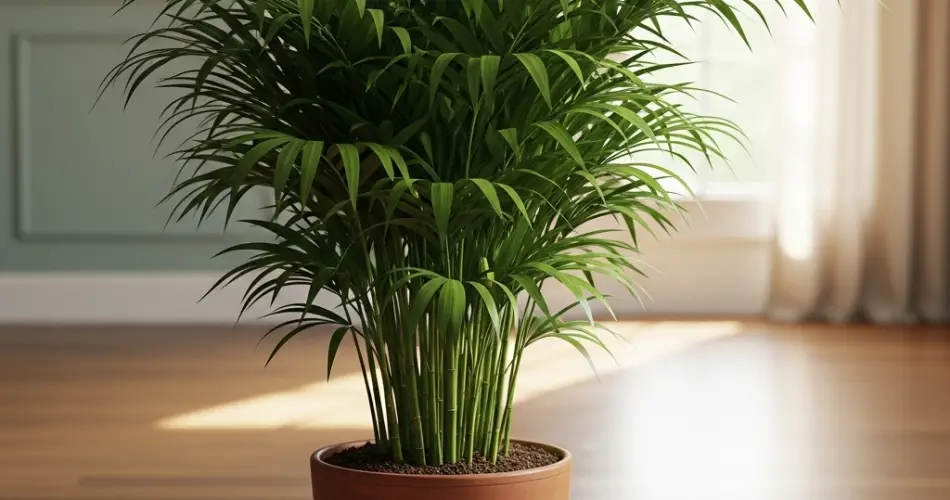
The bamboo palm (Chamaedorea seifrizii) is a favorite among indoor plant enthusiasts thanks to its elegant, feathery fronds and air-purifying qualities. With its upright, bamboo-like stems and lush green foliage, it brings a touch of the tropics into any living space. While it is known for being relatively low-maintenance, the bamboo palm has specific preferences when it comes to light. Choosing the right indoor lighting is one of the most important steps to keeping this plant healthy and attractive.
This guide explains the lighting needs of bamboo palms, the best places to grow them indoors, and how to spot and fix lighting problems so your plant can thrive.
Natural Habitat and Light Preferences
Bamboo palms originate from the shaded rainforests of Mexico and Central America, where they grow beneath taller trees in the forest understory. In their natural environment, they are adapted to low to moderate light levels rather than direct sunlight. This makes them excellent choices for indoor spaces, as they thrive in similar filtered light conditions found inside homes and offices.
How Much Light Does a Bamboo Palm Need?
Bamboo palms prefer bright, indirect light but can also tolerate lower light levels. Ideally, they should receive about 6–8 hours of indirect light per day. Unlike many other palms or tropical plants, they do not need direct sunlight, and in fact, strong sun can damage their fronds.
If the light is too dim, the plant will grow more slowly and may become sparse. On the other hand, too much light can cause the leaves to scorch or fade. Striking the right balance is essential for maintaining lush, full foliage.
Best Indoor Spots for Bamboo Palms
Choosing the right location in your home will make a big difference in your bamboo palm’s health. Here are some good options:
-
Near north- or east-facing windows: These spots provide soft, gentle light that the palm enjoys.
-
A few feet away from south- or west-facing windows: These areas can be too bright, but sheer curtains or distance from the window can filter the light and create the right conditions.
-
Rooms with consistent brightness: Living rooms, offices, or bedrooms with steady, indirect light are ideal.
If your space is naturally darker, your bamboo palm can still adapt, but you may need to support it with artificial lighting.
Can Bamboo Palms Grow in Low Light?
Yes, bamboo palms are one of the best low-light tolerant palms, which is why they are commonly found in offices and shaded corners of homes. However, while they can survive in low light, they thrive best in moderate, indirect light. In prolonged low-light conditions, growth may slow, and new fronds may be smaller and less vigorous.
If your bamboo palm looks weak or thin, moving it to a brighter location usually helps it bounce back.
Using Artificial Light for Bamboo Palms
If natural sunlight is limited, artificial grow lights can keep your bamboo palm healthy. LED or fluorescent lights that provide a full spectrum of light work well. Place the light about 12–18 inches above the plant, and keep it on for 10–12 hours daily. This setup is especially helpful in office spaces or during winter months when daylight is shorter.
Signs of Improper Lighting
Bamboo palms will show signs when they are not happy with their lighting. Watch for these clues:
-
Too little light: Slow growth, yellowing lower leaves, or thin, sparse fronds.
-
Too much light: Brown, scorched patches on leaves or fading of the deep green color.
-
Ideal light: Rich green fronds, consistent new growth, and a full, bushy appearance.
By paying attention to these signals, you can make quick adjustments to keep your palm healthy.
Seasonal Lighting Adjustments
Indoor lighting conditions often shift with the seasons. In summer, light from south- or west-facing windows can become too intense, requiring you to move the plant slightly back or add sheer curtains. In winter, shorter days and weaker light may mean moving the palm closer to a window or supplementing with grow lights.
Seasonal adjustments help maintain consistent conditions year-round, ensuring your bamboo palm doesn’t go through unnecessary stress.
Extra Tips for Light and General Care
Lighting is a key factor, but pairing it with other care tips ensures the best results:
-
Rotate the plant: Turn your bamboo palm every couple of weeks to ensure even growth on all sides.
-
Clean the fronds: Dust can block light, so gently wipe leaves with a damp cloth.
-
Match watering to light exposure: Plants in brighter spots may dry out faster, while those in low light need less frequent watering. Always allow the top inch of soil to dry before watering again.
-
Maintain humidity: Bamboo palms love humidity, so misting the fronds or placing a humidifier nearby can help, especially in bright, dry indoor environments.
Conclusion
The bamboo palm is an adaptable and resilient plant that thrives in homes and offices when placed in the right lighting conditions. While it can tolerate lower light levels, it grows best in bright, indirect light, where it produces lush, vibrant fronds. Avoid direct sunlight to prevent leaf burn, and adjust its placement with the seasons to keep it comfortable year-round. By combining proper lighting with simple care habits like rotation, cleaning, and humidity management, your bamboo palm will remain a graceful, healthy addition to your indoor space for years to come.


