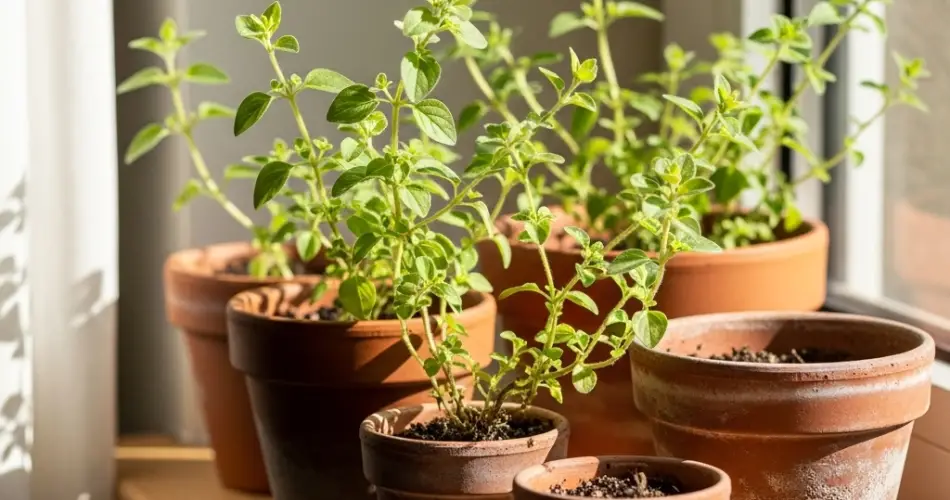
Oregano is one of the most beloved herbs in the kitchen, celebrated for its bold, earthy flavor and aromatic qualities. Commonly used in Mediterranean, Italian, and Mexican cuisine, oregano elevates sauces, pizzas, grilled meats, and even herbal teas. While many gardeners assume they need a full garden to grow oregano successfully, this versatile herb actually thrives in containers, making it perfect for balconies, patios, and windowsills.
If you want fresh oregano at your fingertips without the need for a garden plot, container growing is an easy and rewarding method. This guide will walk you through everything you need to know about cultivating healthy oregano in pots, from choosing the right container to harvesting for continuous growth.
Why Oregano Thrives in Containers
Oregano is a hardy perennial that adapts well to limited spaces. In fact, containers help control its spread, since oregano has a tendency to sprawl when grown in open garden beds. Potted oregano is easier to move for optimal sunlight, protect from harsh weather, or bring indoors during colder months.
Additionally, growing oregano on a balcony or windowsill ensures fresh herbs are always within reach for cooking, reducing the need for store-bought dried versions.
Choosing the Right Container
For oregano, container choice makes a big difference.
-
Size – A pot about 20–25 cm deep and wide is sufficient, as oregano does not need excessive root space. Too large a pot may retain excess moisture, which oregano dislikes.
-
Material – Terracotta is ideal because it allows soil to dry faster and prevents waterlogging, though plastic or ceramic can also work as long as there are drainage holes.
-
Drainage – Essential for healthy growth. Without proper drainage, oregano roots may rot.
If you’re short on space, oregano also does well in hanging baskets or long balcony boxes, provided drainage is good.
The Best Soil Mix for Oregano
Oregano prefers light, well-draining soil with moderate fertility. Unlike heavy feeders like basil, oregano thrives in slightly lean conditions, which encourage stronger flavor development in the leaves.
Prepare a potting mix with:
-
Regular potting soil or garden soil as a base.
-
Added perlite or coarse sand to improve drainage.
-
A small amount of compost for nutrients, but avoid making it too rich.
The soil should remain loose and airy, allowing roots to spread without compacting.
Light and Temperature Needs
As a Mediterranean herb, oregano loves sunlight. Aim for at least 6–8 hours of direct sun daily. A south-facing balcony or sunny windowsill is perfect. If growing indoors with limited natural light, consider supplementing with a grow light.
Oregano tolerates warm temperatures well but may struggle in extreme cold. If winters are harsh in your region, bring containers indoors or place them in a sheltered area before frost arrives.
Watering Oregano the Right Way
Overwatering is one of the most common mistakes when growing oregano in pots. Unlike mint, oregano prefers drier soil.
-
Water only when the top 2–3 cm of soil feels dry.
-
In summer, this may mean watering every two to three days, while in cooler months, once a week may be enough.
-
Always let excess water drain away—never let the pot sit in a saucer of water.
This moderate watering schedule helps keep roots healthy and leaves flavorful.
Pruning and Harvesting for Continuous Growth
Regular pruning is key to keeping oregano compact and productive.
-
First Harvest – Wait until the plant is about 15 cm tall before harvesting leaves.
-
Ongoing Pruning – Pinch or cut stems just above a leaf pair. This encourages branching and bushier growth.
-
Flower Buds – Remove flower buds as soon as they appear, since flowering reduces leaf flavor and aroma.
Harvesting frequently not only provides you with fresh herbs but also keeps the plant vigorous.
Fertilizing for Balanced Growth
Oregano doesn’t need heavy feeding, and too much fertilizer can reduce the intensity of its flavor. Apply a diluted liquid fertilizer, such as seaweed extract or compost tea, once every four to six weeks during the growing season. This provides enough nutrients without making the plant overly lush and bland.
Seasonal and Long-Term Care
-
Spring – Refresh soil with a little compost and prune back old stems.
-
Summer – Keep up with regular pruning and harvesting. Water as needed.
-
Autumn – Cut back stems and reduce watering as growth slows.
-
Winter – If indoors, place the pot near a sunny window. Outdoors, protect from frost with covers or by moving pots inside.
Every two to three years, oregano benefits from being divided and repotted. Simply cut the root ball into sections and replant one healthy portion in fresh soil. This keeps plants from becoming woody and ensures continuous strong growth.
Companion Planting in Balcony Gardens
If you’re growing multiple herbs in a balcony setup, oregano pairs well with rosemary, thyme, and sage, since they share similar soil and water needs. Avoid planting oregano with moisture-loving herbs like basil or mint in the same container, as their care requirements differ significantly.
Final Thoughts
Oregano is one of the easiest and most rewarding herbs to grow in containers, making it an excellent choice for balcony gardeners. With the right pot, soil, sunlight, and a simple care routine, you can enjoy fresh, aromatic oregano year-round without worrying about it taking over your space.
Whether sprinkled on homemade pizza, infused in oil, or added to soups and marinades, your homegrown oregano will always deliver richer flavor than store-bought alternatives. Best of all, container growing ensures you have complete control over the plant’s growth, making it both practical and manageable for small spaces.
With just a little effort, your balcony can become a thriving mini herb garden, and oregano can be the star of the show.


