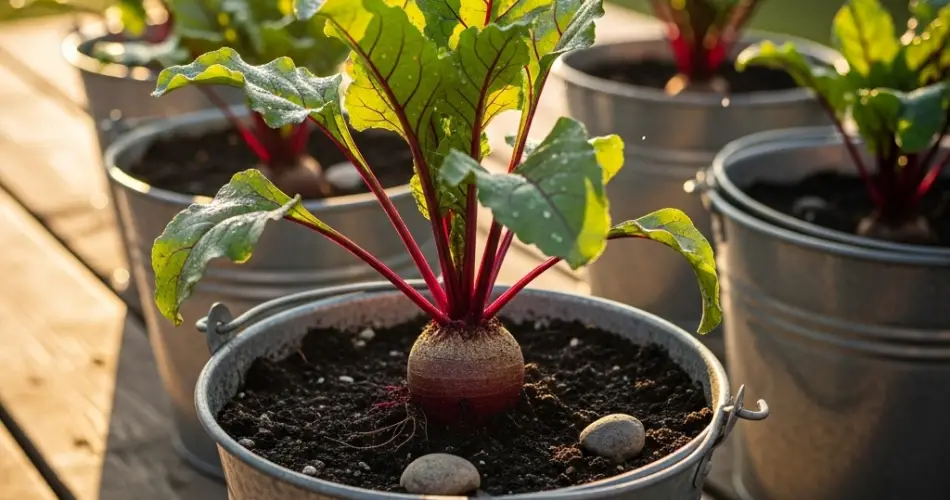
Beetroots are a nutrient-rich, versatile vegetable that can thrive even in small spaces when grown in containers. Their sweet, earthy flavor and vibrant red color make them a favorite for salads, juices, soups, and roasted dishes. Container gardening allows urban gardeners or anyone with limited outdoor space to grow healthy beetroots on balconies, patios, or small yards. With proper soil, watering, sunlight, and care, you can enjoy a steady supply of fresh, homegrown beetroots.
Why Grow Beetroots in Pots?
Growing beetroots in containers offers several advantages:
-
Space efficiency – Pots fit easily on balconies, patios, or small outdoor areas.
-
Soil control – Containers allow gardeners to provide nutrient-rich, well-draining soil tailored to beetroots.
-
Mobility – Pots can be moved to maximize sunlight or protect plants from extreme weather.
-
Pest and disease management – Growing beets in containers reduces the risk of soil-borne pests and diseases.
Container gardening makes it possible to produce high-quality, flavorful beetroots in a manageable and organized way.
Step 1: Choosing the Right Pot
The container sets the foundation for successful beetroot growth:
-
Size – Select a pot at least 10–12 inches (25–30 cm) deep to allow bulbs to develop fully. Wider pots help accommodate multiple plants.
-
Drainage – Ensure multiple drainage holes at the bottom to prevent waterlogging and root rot.
-
Material – Plastic, clay, or fabric pots work well, provided they are sturdy and hold soil and moisture reliably.
A properly sized container encourages healthy root development and larger, flavorful bulbs.
Step 2: Preparing Fertile Soil
Beetroots prefer loose, fertile, well-draining soil:
-
Soil mix – Combine garden soil, compost, and perlite or coarse sand in equal parts. This mixture retains moisture while ensuring proper drainage.
-
Soil pH – Beetroots thrive in slightly acidic to neutral soil, ideally between 6.0 and 7.0.
-
Fertilization – Mix in a balanced, slow-release fertilizer before planting to support strong root and leaf growth.
Well-prepared soil promotes robust roots and healthy, vibrant foliage.
Step 3: Planting Beet Seeds
Proper planting is essential for uniform, healthy growth:
-
Seed depth – Sow seeds about ½ inch (1.25 cm) deep.
-
Spacing – Keep seeds 2–3 inches (5–7 cm) apart to allow bulbs room to expand. Thin seedlings as needed once they emerge.
-
Varieties – Select beet varieties suitable for container growth, such as globe or cylindrical types.
Correct planting techniques encourage even growth and higher yields.
Step 4: Watering
Beetroots require consistent moisture for optimal growth:
-
Initial watering – Water thoroughly after planting to settle soil around the seeds.
-
Ongoing care – Keep soil evenly moist, particularly during hot or dry periods. Avoid overwatering, which can cause root rot.
-
Watering method – Water at the base of the plant to keep leaves dry and reduce the risk of fungal diseases.
Balanced watering encourages healthy roots and flavorful bulbs.
Step 5: Sunlight and Placement
Beets need plenty of sunlight for proper growth:
-
Light requirements – Place pots in areas that receive at least 6–8 hours of direct sunlight daily.
-
Temperature – Beetroots grow best in cool to moderate temperatures, between 55–75°F (13–24°C). Protect young plants from frost or extreme heat.
Adequate sunlight supports strong foliage, large bulbs, and vibrant color.
Step 6: Fertilization and Maintenance
Ongoing care helps maximize beetroot growth and quality:
-
Feeding – Apply a balanced liquid fertilizer every 3–4 weeks during the growing season.
-
Thinning – Remove weaker seedlings to ensure remaining plants have room to grow.
-
Pruning – Remove yellow or damaged leaves to improve airflow and reduce disease risk.
-
Pest monitoring – Inspect plants regularly for aphids, leaf miners, or beetroot fly and manage infestations promptly.
Consistent maintenance ensures healthy, high-quality roots.
Step 7: Harvesting
Harvesting at the right stage ensures tender, sweet beetroots:
-
Timing – Beets are ready when bulbs reach 1.5–3 inches (4–8 cm) in diameter, typically 50–70 days after planting.
-
Technique – Gently lift bulbs from the soil, being careful not to damage them.
-
Leaf use – Beet greens are edible and nutritious; harvest them regularly to promote continued growth.
Proper harvesting provides tender, flavorful beets while allowing continuous leaf production.
Final Thoughts
Growing beetroots in pots is a practical, rewarding way to enjoy fresh, homegrown vegetables in limited spaces. By selecting the right container, preparing fertile soil, planting seeds correctly, providing consistent water and sunlight, and maintaining regular care, gardeners can enjoy a steady supply of vibrant, flavorful beets.
Container-grown beets are not only convenient but also versatile, providing both bulbs and leaves for nutritious, delicious meals. Even on a small balcony or patio, you can harvest fresh beetroots for your kitchen year-round.


