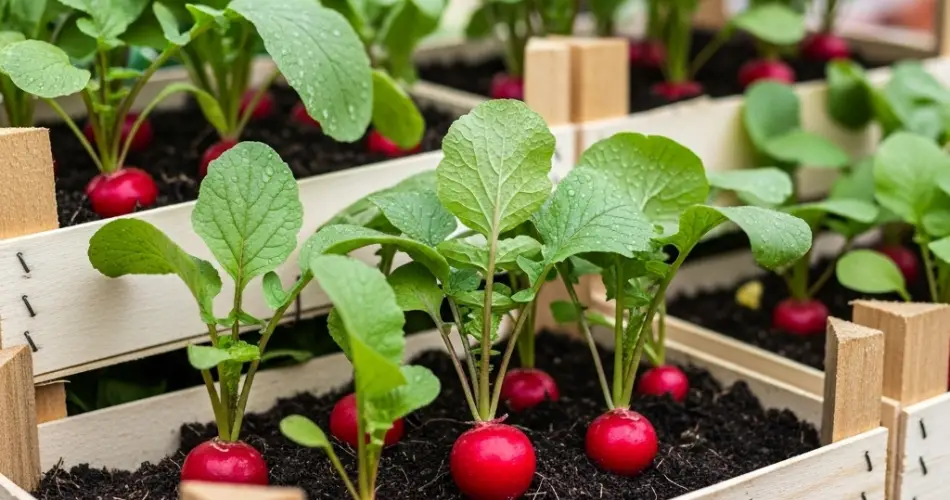
Radishes are one of the easiest and quickest vegetables to grow, making them a rewarding choice for both beginners and experienced gardeners. Their crisp texture, peppery flavor, and vibrant colors add freshness to salads and other dishes. Best of all, radishes thrive in shallow containers, making them ideal for growing in a simple wooden box right in your backyard. With the right setup, you can enjoy fresh, homegrown radishes in just a few weeks.
Why Wooden Boxes Work Well for Radishes
Radishes grow best in loose, well-draining soil that allows their roots to expand without restriction. Many garden plots have compacted or rocky soil, which can lead to small, misshapen roots. A wooden box eliminates this problem by allowing you to create the perfect soil blend from scratch.
Raised containers like wooden boxes also improve drainage, reducing the risk of waterlogging—a common cause of radish root rot. They can be placed anywhere in your backyard, moved to capture better sunlight, and raised to a comfortable height to make planting and harvesting easier.
Choosing the Right Wooden Box
Radishes don’t require deep soil, so a box at least 6–8 inches deep is sufficient. The width can vary depending on how many radishes you want to grow at once. A box measuring around 18–24 inches wide provides enough space for multiple rows.
Avoid boxes made from chemically treated wood, as harmful substances could leach into the soil. If you’re reusing an old box, clean it thoroughly to remove any residue. For durability, you can apply a natural, plant-safe sealant to the outside, but avoid treating the inside where it comes into contact with the soil.
Preparing the Wooden Box for Planting
-
Lining – Line the inside with landscape fabric, burlap, or another breathable material to keep soil in place while allowing water to drain.
-
Drainage Holes – If your box has a solid base, drill several small holes to prevent water from pooling at the bottom.
-
Soil Mix – Fill the box with a light, crumbly mix of two parts garden soil and one part compost. To improve aeration and drainage, add a handful of sand or perlite.
Choosing Radish Varieties
There’s a wide selection of radish types to suit your taste and growing season. Popular choices for backyard containers include:
-
Cherry Belle – Round, bright red, and mild-tasting, ready in about 22 days.
-
French Breakfast – Oblong with red tops and white tips, slightly milder flavor.
-
Easter Egg Mix – A colorful assortment in shades of pink, purple, red, and white.
For quick results, choose early-maturing varieties that grow well in shallow containers.
Planting Radish Seeds
Radishes prefer cooler temperatures, making them perfect for planting in early spring or late summer.
-
Sow seeds directly into the soil about ½ inch deep and 1 inch apart.
-
Space rows 3 inches apart to allow enough airflow between plants.
-
Cover seeds lightly with soil and water gently.
Radishes germinate quickly—often within 4–7 days—so you’ll see green sprouts in less than a week.
Caring for Radishes in a Wooden Box
Watering – Keep the soil evenly moist throughout the growing period. If the soil dries out, radishes may become woody and overly spicy; if it’s too wet, roots may split or rot. Water in the morning to allow the foliage to dry before evening, which helps prevent disease.
Thinning – Once seedlings are about 2 inches tall, thin them to about 2 inches apart. This ensures each plant has enough room to develop a healthy root.
Fertilizing – Radishes grow quickly and don’t require heavy feeding. If your soil is nutrient-poor, use a balanced, slow-release fertilizer at planting time. Avoid high-nitrogen fertilizers, which encourage leaf growth instead of root formation.
Sunlight – Place your wooden box in a spot that receives at least 6 hours of direct sunlight daily. Radishes can tolerate partial shade but may take a little longer to mature.
Harvesting Your Radishes
Radishes are ready to harvest in as little as three to four weeks, depending on the variety. Check their size by brushing away a bit of soil—roots should be about 1 inch in diameter for the best flavor and texture.
To harvest, grip the greens near the base and pull gently. Wash the radishes and trim the leaves to about an inch above the root to keep them fresh longer. The greens themselves are edible and make a peppery addition to salads and sautés.
Replanting for a Steady Supply
One of the advantages of radishes is that they grow so quickly you can plant successive crops for a continuous harvest. After pulling the first batch, loosen the soil, add a little compost, and sow new seeds. In cooler months, you can replant every two weeks to keep a steady supply going.
Tips for Success
-
Avoid letting radishes overmature in the soil—they’ll become woody and lose flavor.
-
Keep weeds under control so radishes don’t have to compete for nutrients.
-
Provide light shade during very hot weather to prevent premature flowering, known as bolting.
Final Thoughts
Growing radishes in a wooden box is a simple, space-saving way to enjoy fresh vegetables from your backyard. With a shallow container, loose soil, and consistent care, you can produce crisp, flavorful radishes in just a few weeks. This rustic and practical method is ideal for small spaces, quick harvests, and gardeners of all skill levels.


