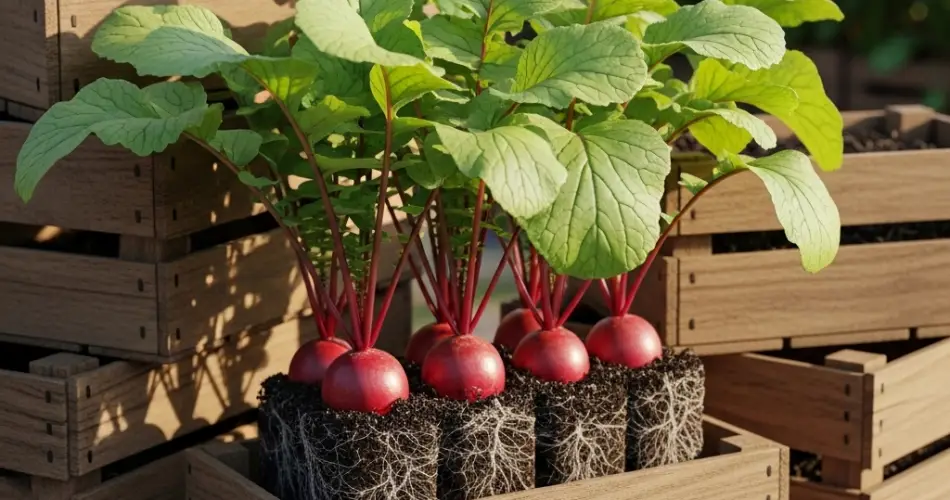
Radishes are among the easiest and fastest vegetables to grow, making them a perfect choice for both beginner and seasoned gardeners. Their crisp texture and peppery flavor add a fresh bite to salads, sandwiches, and side dishes. With the right setup, you can enjoy a steady supply of homegrown radishes from your backyard, patio, or balcony. One of the most efficient and space-saving ways to cultivate them is by using wooden crates as raised beds. This method provides excellent soil control, keeps plants organized, and adds a rustic charm to your garden.
Why Crates Work Well for Radishes
Wooden crates create an ideal growing environment for radishes. Because they are elevated, they help improve drainage, preventing water from pooling and causing root rot. They also allow you to prepare and maintain soil conditions specifically suited for root vegetables—loose, fertile, and free from stones or debris that can distort growth.
Crate gardens are perfect for small spaces or urban settings. They can be placed in sunny spots, moved if necessary, and even stacked for vertical gardening. The neat structure makes it easy to manage plant spacing and care routines, while their portability lets you adjust their position to follow the sun or protect crops from harsh weather.
Choosing the Right Crate
Select sturdy, untreated wooden crates that are safe for food production. Treated wood can contain chemicals that may leach into the soil, so it’s best avoided. A depth of 6–8 inches is suitable for most small radish varieties, while longer types, such as daikon, need crates at least 10–12 inches deep.
If the crate has gaps between slats, line it with breathable landscape fabric or burlap. This will keep soil contained without blocking drainage. Ensure there are drainage holes or gaps at the base, and consider raising the crate slightly off the ground with bricks or blocks to improve airflow and water flow.
Preparing the Soil
Radishes thrive in light, well-draining soil with a pH between 6.0 and 7.0. A simple mix for crate gardening is one-third garden soil, one-third compost, and one-third coarse sand or perlite. The compost enriches the soil with nutrients, while the sand or perlite ensures proper aeration so roots can grow straight and evenly.
Avoid compacted or clay-heavy soils, as they can cause misshapen, tough radishes. Before planting, moisten the soil so it’s damp but not waterlogged.
Planting Radishes from Seed
Radishes are best grown from seed directly in the crate bed, as they do not transplant well. Sow seeds about ½ inch deep and 1 inch apart, in rows spaced 3–4 inches apart. For a continuous harvest, plant a new batch every two to three weeks until temperatures become too warm.
Because radishes grow quickly—many varieties mature in as little as 25 days—they can be interplanted with slower-growing crops. This way, you can make full use of your crate space while still enjoying frequent harvests.
Watering and Feeding
Consistent moisture is key to tender, mild radishes. Water the crate bed regularly to keep the soil evenly moist, but avoid overwatering, as this can cause rot. Crates can dry out more quickly than in-ground beds, so check soil moisture often, especially in warm weather.
Radishes are light feeders and don’t need much fertilizer. However, a light application of balanced, low-nitrogen organic fertilizer halfway through their growth cycle can promote healthy roots. Too much nitrogen will result in lush leaves but small or poorly formed radishes.
Pest and Disease Control
While crate gardening reduces some soil-borne pest problems, radishes can still be affected by flea beetles, aphids, and slugs. Floating row covers are an effective way to protect young plants from insect damage.
To prevent disease, water at the base of the plants rather than overhead, and space plants adequately for good air circulation. Remove any yellowed or damaged leaves promptly to avoid attracting pests or encouraging fungal growth.
Harvesting Radishes
Radishes are ready to harvest when the roots are firm, crisp, and have reached the expected size for the variety. You can check by gently brushing away soil from the top of the root. Pull them gently from the soil, and shake off any excess dirt.
Harvest promptly—leaving them in the soil too long can cause them to become woody, pithy, or overly spicy. After harvesting, cut off the leafy tops to keep the roots fresh and store them in the refrigerator.
Maintaining and Replanting Crate Beds
After harvesting, loosen the soil, add a layer of fresh compost, and plant new seeds. This quick turnover means you can have fresh radishes almost year-round in cooler climates, or at least through spring and fall in warmer areas.
If growing in hot weather, provide partial shade during the peak of the day to prevent bolting, which happens when plants focus on flowering rather than forming roots.
A Simple Path to Fresh, Crisp Radishes
Radish crate gardens are a practical and attractive solution for growing your own vegetables, even in limited space. They allow for excellent soil management, better pest control, and quick harvest cycles. With just a bit of planning and regular care, you can enjoy crisp, flavorful radishes from seed to crunch without needing a large garden plot.
This approach not only yields a fresh supply of vegetables but also enhances your outdoor space with rustic charm—proof that good gardening doesn’t have to be complicated.


