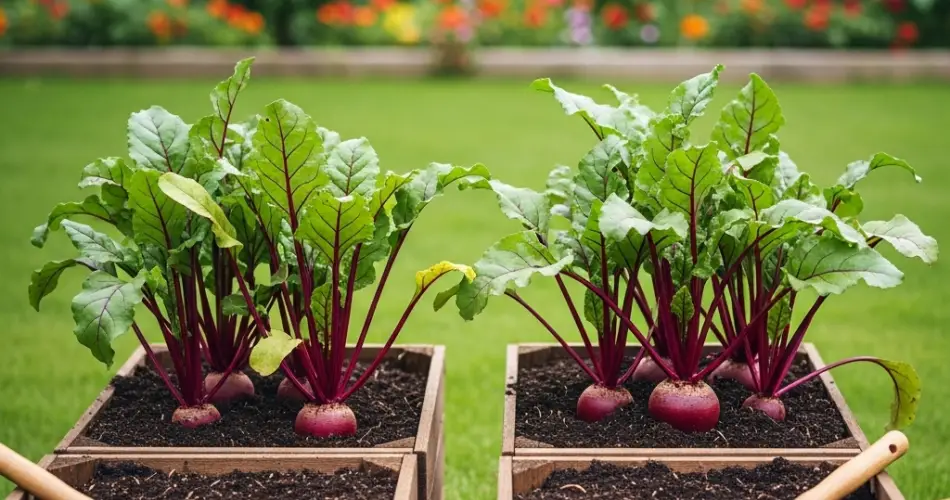
Growing beetroots in wooden crates is a convenient and space-efficient way to cultivate fresh, nutritious root vegetables right in your backyard. Whether you have limited space or are looking for a creative raised bed alternative, crates offer flexibility, portability, and easy management. This guide walks you through how to successfully grow beets using wooden boxes, from preparation to harvest.
Why Grow Beets in Crates?
Beetroots thrive in loose, well-drained soil, making crates an ideal growing container. These boxes let you control soil conditions and are especially beneficial if your garden soil is too clay-heavy or lacks nutrients. Crate gardening is also perfect for small backyards or patios, allowing you to grow beets even in tight urban spaces.
Choosing the Right Crate
Select a wooden crate or box that is at least 20–25 cm deep to give beetroot bulbs enough room to develop. The crate should also have a sturdy base and several drainage holes to prevent water from accumulating, which could cause root rot. Recycled fruit crates or DIY wooden boxes work well, as long as they’re untreated to avoid chemical contamination.
Line the inside with breathable fabric like old burlap sacks, landscape fabric, or rice sacks to keep the soil in place while allowing drainage. Raise the crate slightly above ground using bricks or wooden blocks to further support drainage and airflow.
Preparing the Soil
Beetroot grows best in loose, fertile soil with a slightly acidic to neutral pH (6.0–7.0). A balanced potting mix works well, or you can make your own by mixing:
-
1 part garden soil
-
1 part compost or well-rotted manure
-
1 part coco peat or sand
This mixture ensures proper aeration and moisture retention. Enrich the mix with a handful of wood ash or crushed eggshells to add potassium and calcium—both of which improve root development and flavor.
Sowing Beet Seeds
Beetroot seeds are actually seed clusters that contain 2–4 seeds in one shell, meaning multiple seedlings may sprout from each. Soak the seeds in water for a few hours before planting to soften the outer coating and speed up germination.
Sow seeds directly into the crate about 1–2 cm deep, spacing them 8–10 cm apart in rows with at least 15 cm between rows. Lightly cover them with soil and water gently. Germination usually takes 5–10 days, depending on weather conditions.
Watering and Sunlight Needs
Beets require consistent moisture, especially during the germination and early growth stages. Keep the soil moist but not soggy. Water early in the morning or late in the afternoon to reduce evaporation.
Position your crate where it will receive at least 5–6 hours of sunlight daily. Beets can tolerate partial shade, but full sun promotes faster growth and sweeter roots.
Thinning the Seedlings
Since beet seeds produce multiple sprouts, thinning is essential. When the seedlings reach about 5–7 cm tall, gently remove the weaker sprouts, leaving the healthiest one in each cluster. This helps prevent overcrowding and allows the roots to grow to full size.
Use the thinned sprouts as microgreens—they’re edible and rich in nutrients.
Fertilizing for Healthy Growth
Beets don’t need heavy fertilization, but a light dose of balanced organic fertilizer or compost tea every 2–3 weeks helps maintain healthy growth. Avoid too much nitrogen, which encourages leafy growth over root development.
For an extra boost, side-dress with compost or apply a diluted mixture of banana peel tea or fish emulsion to support root formation.
Managing Pests and Diseases
Crate gardening reduces the risk of many soil-borne pests, but occasional issues like aphids or fungal spots may occur. Spray plants with a neem oil solution or a mix of water and mild soap to deter pests naturally.
Ensure good air circulation between crates and avoid overhead watering to prevent fungal issues. Regularly check for signs of yellowing leaves or stunted growth, which may indicate nutrient deficiencies or water stress.
Harvesting Beets
Beetroots are usually ready to harvest 50–70 days after sowing, depending on the variety. You can start harvesting when the roots are about the size of a golf ball for tender, sweet flavor. Don’t wait too long, as overly mature beets can become woody.
To harvest, gently loosen the soil around the beet and pull it out by the base of the stem. Be careful not to damage the root if you plan to store them.
The beet greens are also edible—cook them like spinach or add them to salads for a nutrient-rich dish.
Reusing the Crates
After harvest, shake out and loosen the soil. Add fresh compost to replenish nutrients before planting the next batch. Beets can be grown in cycles throughout the year, depending on your climate.
Rotating crops like leafy greens or herbs in the same crate is also a good idea to prevent nutrient depletion and keep the soil active.
With a bit of preparation and attention, growing beets in crates transforms your backyard into a productive, space-smart garden. Whether you’re after crisp roots for salads or greens for sautéing, crate-grown beets offer a rewarding and sustainable way to garden at home.


