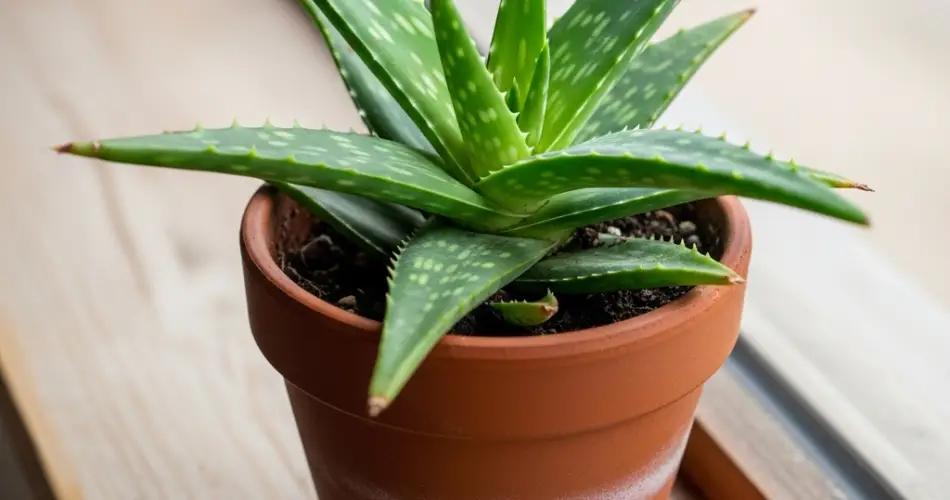
Aloe vera is one of the most popular houseplants worldwide, valued not only for its attractive, fleshy leaves but also for the healing gel inside them. Known for its resilience and ability to thrive in dry environments, aloe is often considered an easy-care plant. Yet, despite its hardy nature, aloe vera is highly sensitive to one common mistake—overwatering. Providing too much water can lead to root rot, yellowing leaves, and even plant death. Understanding how to water aloe vera properly is essential to keeping it healthy and thriving.
Why Overwatering is a Problem
Aloe vera is a succulent, meaning it stores water in its thick leaves and roots. This adaptation allows it to survive long periods of drought. When watered too often, the plant’s roots remain constantly wet, cutting off oxygen and leading to rot. Once root rot begins, it spreads quickly and is difficult to reverse.
Symptoms of overwatering include:
-
Soft, mushy, or drooping leaves
-
Brown or black spots on the leaves
-
Yellowing foliage
-
A foul smell from the soil, indicating root decay
Since aloe thrives on neglect, watering less is always safer than watering too often.
How Often Should You Water Aloe Vera?
There is no universal schedule for watering aloe vera because it depends on several factors such as climate, pot size, soil type, and indoor conditions. Instead of sticking to a rigid routine, learn to water based on the plant’s needs.
-
Check the soil first: Insert your finger 2 inches deep into the soil. If it feels completely dry, it’s time to water. If still moist, wait a few more days.
-
Seasonal adjustments: During spring and summer, aloe vera may need watering every 2–3 weeks as it grows actively. In fall and winter, when growth slows, once every 4–6 weeks is usually enough.
-
Indoor vs. outdoor plants: Outdoor aloes in hot climates may dry out faster and require more frequent watering than those grown indoors.
Consistency should come from observation, not the calendar.
The Right Way to Water Aloe Vera
How you water is just as important as how often. Aloe vera prefers deep, occasional watering rather than frequent, shallow sips.
-
Water deeply: Pour water slowly until it begins to drain from the bottom of the pot. This ensures the roots are thoroughly hydrated.
-
Empty excess water: Never leave the plant sitting in a saucer of water. Standing moisture is the fastest way to cause root rot.
-
Water at the base: Direct water to the soil, not the leaves. Water sitting in the rosette can lead to crown rot.
-
Let it dry: Always allow the soil to dry completely before watering again.
This “soak and dry” method mimics the aloe’s natural desert environment, where rain is followed by long dry spells.
Choosing the Best Soil and Pot
Even with careful watering, aloe vera will suffer if grown in the wrong soil or container. Good drainage is essential to preventing overwatering issues.
-
Soil: Use a cactus or succulent mix that drains quickly. If using regular potting soil, amend it with sand, perlite, or pumice to improve aeration.
-
Pot: Choose a container with drainage holes. Terra cotta pots are ideal because they allow water to evaporate faster than plastic or ceramic.
-
Avoid oversized pots: Large containers hold more soil, which stays damp longer and increases the risk of root rot.
The right combination of soil and pot ensures water doesn’t linger around the roots.
Water Quality Matters
While quantity is the main issue, water quality also plays a role in aloe health.
-
Use room-temperature water to avoid shocking the roots.
-
If your tap water is high in salts or chlorine, let it sit out overnight before using.
-
Rainwater or filtered water is ideal, as it is softer and free of chemicals.
Saving an Overwatered Aloe Vera
If you suspect your aloe has been overwatered, act quickly.
-
Remove the plant from its pot and check the roots.
-
Trim away any soft, black, or mushy roots with sterilized scissors.
-
Let the plant dry out for 24 hours before replanting in fresh, dry succulent soil.
-
Resume watering sparingly, allowing the plant to recover.
Early intervention can sometimes save a plant before root rot spreads too far.
Conclusion
Aloe vera is a low-maintenance plant, but it has one clear weakness—too much water. Overwatering suffocates the roots, leading to rot and decline. By watering deeply but infrequently, using well-draining soil and pots, and adjusting for seasonal changes, you can keep your aloe healthy and strong. Remember, aloe vera thrives on neglect, so when in doubt, it’s better to wait a few extra days before watering again. With the right care, your aloe will reward you with plump, vibrant leaves and a steady supply of healing gel for years to come.


