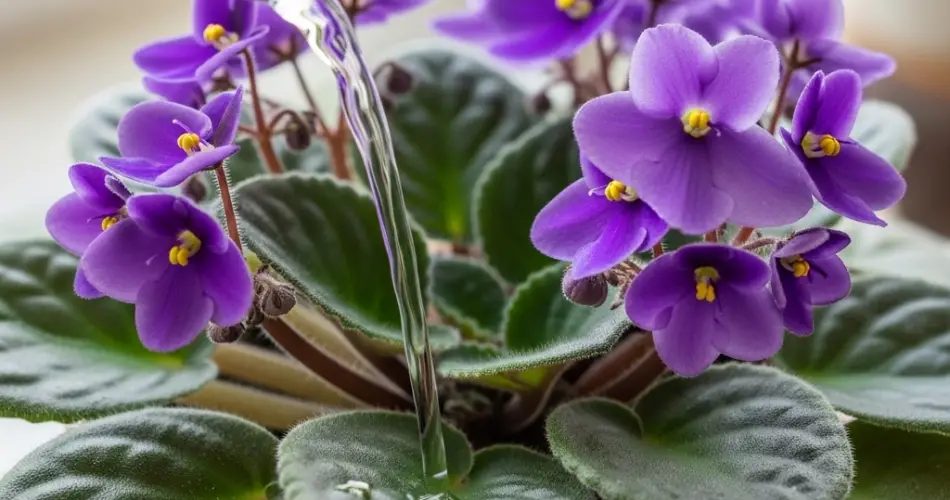
African violets (Saintpaulia) are cherished houseplants, loved for their velvety leaves and delicate blooms that brighten up any indoor space. However, these charming plants can be fussy when it comes to watering. Improper watering is one of the most common reasons African violets fail to thrive. Understanding the right techniques—and avoiding the most common mistakes—can keep your African violets healthy and blooming year-round.
1. Overwatering: The Most Common Mistake
One of the most frequent errors is overwatering. African violets have sensitive roots that are prone to rot when they sit in soggy soil. Signs of overwatering include wilted leaves, mushy stems, or yellowing foliage. In severe cases, the crown may collapse entirely.
To avoid this, check the top inch of soil before watering. If it still feels moist, wait another day or two. African violets prefer evenly moist soil—not wet. Ensure the pot has adequate drainage holes, and always empty any excess water from the saucer after watering.
2. Underwatering: Just as Harmful
While overwatering is a major issue, underwatering can be just as detrimental. These plants won’t tolerate prolonged dryness. If your African violet’s leaves are drooping, curling, or turning dry and brittle, it may not be getting enough water.
The solution is consistency. Use your finger to check soil moisture regularly. As a general rule, water your African violet when the top half-inch of soil feels dry. Don’t wait for the plant to wilt or show signs of distress before giving it a drink.
3. Using Cold Water
African violets are tropical plants and dislike cold temperatures. Using cold tap water can shock their roots and may even cause leaf spots. Always use room temperature water to avoid stressing the plant.
If you’re unsure whether your tap water is too cold, fill your watering can and let it sit for a few hours before using it. This not only allows it to reach room temperature but also lets chlorine dissipate, which some plants are sensitive to.
4. Splashing Water on Leaves
Getting water on African violet leaves can lead to unsightly spots and even promote fungal problems. Their fuzzy foliage holds onto moisture, making them more vulnerable to rot and disease.
To prevent this, water the soil directly at the base of the plant, avoiding contact with the leaves. Another method is bottom watering—placing the pot in a shallow tray of water and letting the plant absorb moisture through the drainage holes. After 20–30 minutes, remove the pot and let it drain fully.
5. Inconsistent Watering Schedule
Irregular watering is a common oversight, especially when daily routines change. African violets appreciate consistency. Allowing the soil to dry out completely, then drenching it, puts the plant under stress and can lead to poor growth or reduced flowering.
Create a watering routine that matches your environment and stick with it. Warmer rooms may require more frequent watering, while cooler spaces allow for longer intervals. Observing your plant over time will help you establish a rhythm that works.
6. Using Hard or Treated Water
Tap water that’s too hard or treated with softeners can harm African violets over time. High levels of salts, fluoride, or chlorine can cause leaf tip burn, soil buildup, and nutrient lockout.
If possible, use filtered or distilled water. Alternatively, collect rainwater, which is naturally soft and ideal for these plants. If only tap water is available, let it sit overnight before use to allow some of the chemicals to evaporate.
7. Ignoring Pot and Soil Type
Even if your watering technique is perfect, using the wrong type of soil or container can ruin your efforts. African violets need a light, well-aerated soil mix that drains quickly. Heavy, compact soils hold too much moisture and suffocate the roots.
Choose a specialized African violet potting mix or create your own with peat moss, perlite, and vermiculite. Also, select pots made of breathable material like terra cotta and make sure they have drainage holes.
Final Thoughts
Watering African violets may seem simple, but the details matter. By avoiding these common mistakes—overwatering, underwatering, using cold or hard water, splashing leaves, and using improper soil—you’ll provide your plant with the environment it needs to flourish.
Consistency, care, and attention to detail will reward you with lush, green foliage and colorful blooms that brighten your home. Once you master the basics of watering, African violets can be surprisingly low-maintenance and incredibly satisfying to grow.


